Politics news and discussion on TalkFuse.
Labour ‘plans to cut EV targets’ despite backlash from MPs
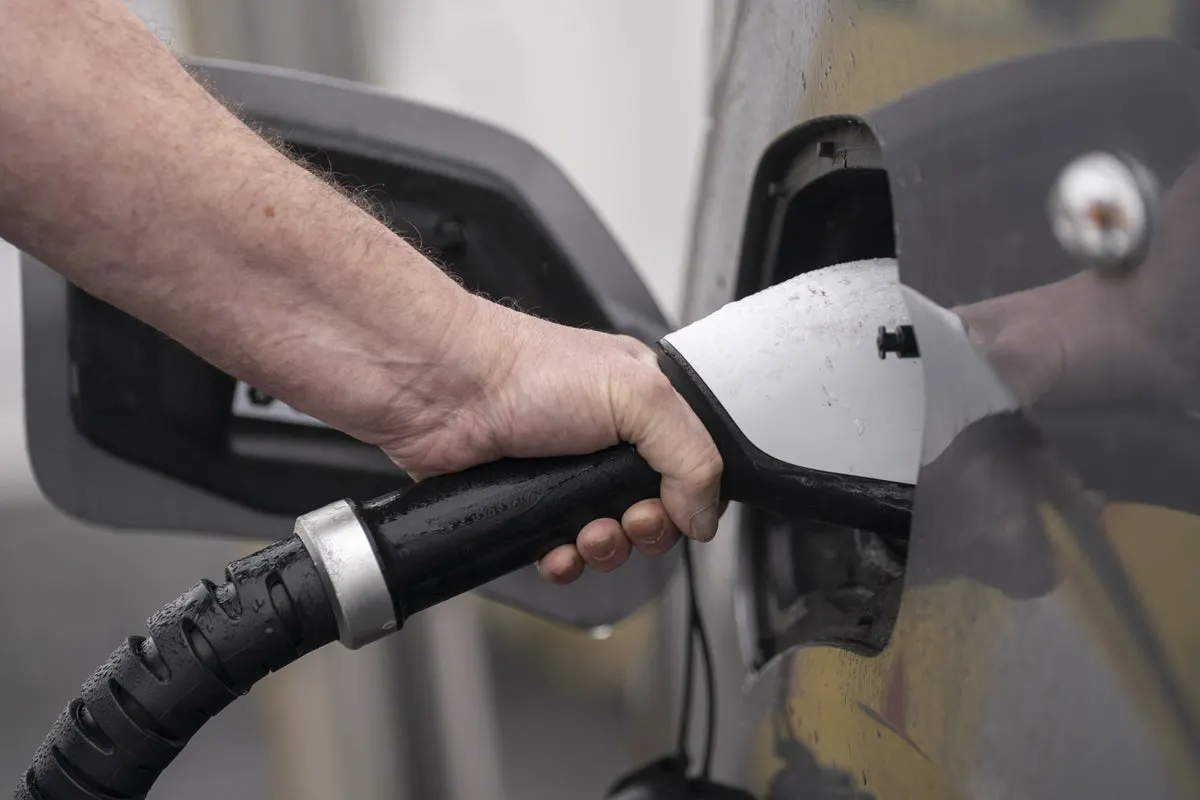
Labour is reportedly preparing to reduce targets for the share of new cars that must be electric, despite expected opposition from some of its MPs. The change would ease pressure on carmakers, who say demand is falling short of the mandated pace, but could weaken a major part of the UK’s plan to cut emissions from transport.
The current rules require zero-emission vehicles to make up 80 per cent of new car sales by 2030, rising to 100 per cent by 2035. Reports say transport secretary Louise Haigh may approve a 60 per cent 2030 target and extend regulatory flexibilities to 2034; business secretary Jonathan Reynolds is said to favour 50 per cent, while energy secretary Miatta Fahnbulleh and Ed Miliband want to retain 80 per cent. The car industry has warned it is likely to miss the 2026 target of 33 per cent, while the government says no decision has been made and it remains committed to the existing phase-out goals.
In short
- Labour is reportedly considering lowering the 2030 EV sales target.
- A 60 per cent target is said to be under consideration.
- Ministers say no decision has been made.
Steelman: both sides, in good faith
The strongest fair case each way — we don't pick a winner.
The case for
Supporters of keeping the 80 per cent target argue that clear, firm deadlines give manufacturers and investors confidence to expand electric-car production and charging networks, while helping cut transport emissions. They may also see weakening the target as risking delay just as the industry needs to adapt, and as undermining the government’s stated phase-out goals.
The case against
Supporters of reducing the target argue that manufacturers should not face requirements that buyers are not yet meeting, particularly if demand and charging access are lagging. A lower target and more time could ease pressure on the industry, protect jobs and consumer choice, while allowing the transition to proceed at a pace the market can sustain.
Explained simply
The UK’s zero-emission vehicle rules set minimum shares of new cars that must produce no exhaust emissions, mainly battery electric cars. They currently require such vehicles to make up 80 per cent of new car sales by 2030 and all new car sales by 2035.
The rules are intended to shift the market away from petrol and diesel cars and cut transport emissions. Carmakers say sales are not rising fast enough to meet the targets, while some ministers are reported to favour keeping the current timetable; the government says it has not decided whether to change it.