Labour urged to delay Freeview switch off for a decade as ending free-to-air TV would leave up to five million households ‘vulnerable during national emergencies’
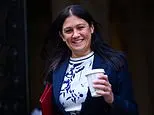
Almost 50 cross-party MPs have written to Culture Secretary Lisa Nandy urging Labour to delay the switch-off of Freeview terrestrial television by a decade, warning that scrapping the free-to-air service too soon could leave up to five million households vulnerable, particularly during national emergencies. The government's June Green Paper set out plans to end aerial-based Digital Terrestrial Television, with the earliest possible switch-off date of 2034, forcing viewers onto internet-based streaming for channels such as BBC One, BBC Two, ITV, Channel 4 and Channel 5. Campaigners and MPs argue this would effectively impose a paywall on television by requiring costlier broadband packages, and warn it risks weakening the UK's resilience by removing one of the most reliable ways of reaching the whole population with trusted information in a crisis.
The letter, signed by figures including Conservative Katie Lam, ex-Labour minister Steve Reed and shadow transport secretary Richard Holden, calls instead for the later of the two proposed dates, 2044, describing it as a "credible, costed and lower-risk alternative". They say those most reliant on aerial TV are often the most vulnerable, including elderly people, those on tight budgets, disabled people, and rural, coastal and island communities lacking affordable broadband. Freeview currently reaches 13.6 million UK homes and remains the main TV platform for 40% of households with a set, with an estimated 1.5 million households still expected to depend on it by 2035; a government consultation on the proposals closed the night before the letter was sent.
In short
- MPs urge Labour to delay Freeview switch-off from 2034 to 2044
- Up to 5 million households could lose free-to-air TV access
- Critics warn of higher costs and reduced resilience in emergencies
Steelman: both sides, in good faith
The strongest fair case each way — we don't pick a winner.
The case for
Keeping Freeview until 2044 would give households more time to adapt and help protect access to television for people who cannot afford reliable broadband or live in poorly connected areas. Terrestrial broadcasting also offers a widely available route for urgent public information that does not depend on internet access, so delaying the switch-off could preserve resilience during emergencies.
The case against
Moving television distribution to internet services could make better use of public resources as viewing habits and technology change, while avoiding the long-term cost of maintaining a terrestrial network for a shrinking audience. A planned transition could expand choice and improve services, provided the government ensures affordable broadband, accessible alternatives and reliable emergency communications are in place before Freeview ends.
Explained simply
Freeview is the UK’s free television service received through a TV aerial. It carries channels including BBC One, ITV and Channel 4, and does not require a broadband connection or a subscription.
The government has been considering when to end aerial-based broadcasting and move viewers to internet delivery. MPs from several parties have asked Culture Secretary Lisa Nandy to keep the service running longer, pointing to people who may have limited internet access or rely on free television.
The debate concerns how households would get television and how reliably public information could reach people during emergencies. It also raises questions about the needs of older and disabled people, households on tight budgets, and communities where broadband is limited or costly.
Entertainment Government Politics TV World