Business news and discussion on TalkFuse.
UK payrolls fall sharply as vacancies hit a 12-year low
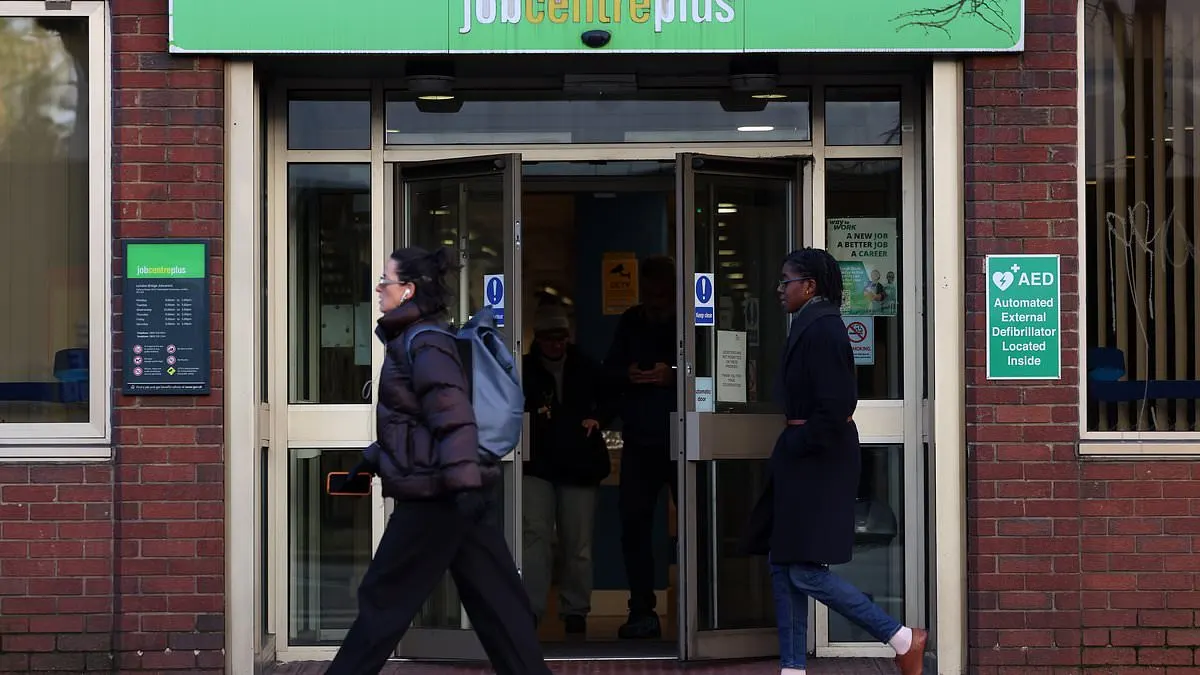
UK payrolls fell by 34,000 in October, the largest monthly decline since 2015 outside the pandemic, while job vacancies reached their lowest level in 12 years. The figures intensify concern about young people struggling to find work, with nearly a million 16-to-24-year-olds not in education, employment or training.
Vacancies fell by 22,000 to 690,000 in the three months to October, and payroll employment is down 215,000 over two years. Business groups and employers point to higher labour costs, including employer National Insurance and minimum wage rises, as factors weighing on recruitment; the Government’s forthcoming employment rights changes are also cited. Annual wage growth slowed to 3.5 per cent, while September pay fell by 0.2 per cent in real terms.
In short
- Payrolls dropped by 34,000 in October.
- Vacancies fell to 690,000, their lowest level in 12 years.
- Nearly a million young people are not in education, work or training.
Steelman: both sides, in good faith
The strongest fair case each way — we don't pick a winner.
The case for
Employers and business groups can argue that higher National Insurance contributions, minimum wages and forthcoming employment rights changes raise the cost and uncertainty of hiring, particularly for smaller firms. With vacancies falling and payrolls shrinking, they may say that easing or phasing these measures would help businesses recruit and protect jobs, including opportunities for young people.
The case against
Those concerned about workers can argue that fair pay, stronger employment rights and contributions to public services are justified even when they raise employers’ costs. The figures do not establish that these policies caused the jobs decline, and weakening them could leave workers with less security and lower pay without ensuring that employers create more jobs.
Explained simply
Payrolls count employees whose pay is processed through the tax system, while vacancies measure jobs employers are looking to fill. Together with wage figures, they offer a picture of hiring and pay, though they do not capture every part of the labour market.
Young people are a particular concern because close to a million people aged 16 to 24 are not in education, work or training. Employers and business groups say higher costs, including National Insurance and minimum wage increases, may affect recruitment; the Government is also planning changes to employment rights.
The figures matter because work and pay affect household incomes and the wider economy. Slower wage growth and falling pay after inflation can reduce what workers are able to buy.
Business Economy Government Politics UK World
Read the full article at the source →
Originally published by Daily Mail as “Labour warned over jobs for young people as UK workforce shrinks by 1,000 a day and vacancies slump”.