Business news and discussion on TalkFuse.
Labour’s energy bills crisis is getting worse. Political honesty is essential | Nils Pratley
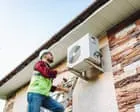
Nils Pratley's column argues that Labour faces a deepening political problem over energy bills, which have hit their highest level in three years and are set to rise 4% from October. While ministers point to volatile global gas prices—recently pushed up by fallout from Donald Trump's Middle East actions—as the main cause, industry forecasts suggest bills will stay stubbornly high even once wholesale prices ease, undermining Ed Miliband's earlier pledge of £300 off bills by 2030. Pratley contends that Ofgem and the government should be far more transparent about why costs are baked in for years to come, rather than letting the regulator appear evasive on an issue central to the UK's energy transition.
The piece cites EDF's projection that the price cap will only fall marginally, from an assumed £1,721 in late 2026 to £1,786 by 2030, driven by rising "non-commodity costs" such as grid upgrades, green levies and carbon taxes, which now make up 70% of electricity bills. EDF is calling for a "radical increase in transparency" around the £70bn transmission network investment programme, while Energy UK has warned that household energy debt could reach £7bn by year-end. Pratley also notes the slow uptake of heat pumps (52,000 installed last year versus over a million gas boilers), arguing that clearer government messaging on future electricity costs is needed to support the shift to electrification.
In short
- Energy bills hit a three-year high, rising 4% from October.
- Forecasts show bills staying high through 2030, despite Miliband's £300 pledge.
- Critics urge Ofgem and ministers to be more transparent on rising network costs.
Steelman: both sides, in good faith
The strongest fair case each way — we don't pick a winner.
The case for
The energy transition requires unavoidable investment in grid modernisation and renewable capacity, with costs largely independent of commodity prices. Government ministers correctly identify genuine external shocks in European gas markets as a significant factor; the £300 savings pledge reflected different assumptions, and policy inevitably adapts to changed circumstances. Managing the necessary trade-off between immediate cost relief and medium-term energy security is a reasonable and defensible government approach.
The case against
The government's credibility problem stems from attributing rising bills primarily to external commodity shocks when structural costs—grid investment, green levies, carbon taxes—now represent 70% of electricity charges and will sustain high bills regardless of wholesale price movements. Greater transparency about the £70bn transmission programme and the true household costs of electrification would enable informed public support for necessary change, whereas opacity fosters cynicism precisely when democratic consent for expensive energy transition matters most.
Explained simply
Household energy bills in Britain depend on both the price of gas and electricity on international markets and the costs of supplying power at home. These include maintaining and upgrading the electricity grid, as well as levies and taxes; together, such costs can keep bills high even when wholesale energy prices fall.
The government sets energy policy, while Ofgem regulates suppliers and sets a price cap for many household tariffs. Energy companies such as EDF forecast future bills and pay towards network upgrades, whose costs are reflected in charges to consumers. These choices matter for household budgets and for the shift from gas boilers to electric heating, including heat pumps.