Politics news and discussion on TalkFuse.
Labour’s energy scheme will only cover 11 days of bills, experts warn
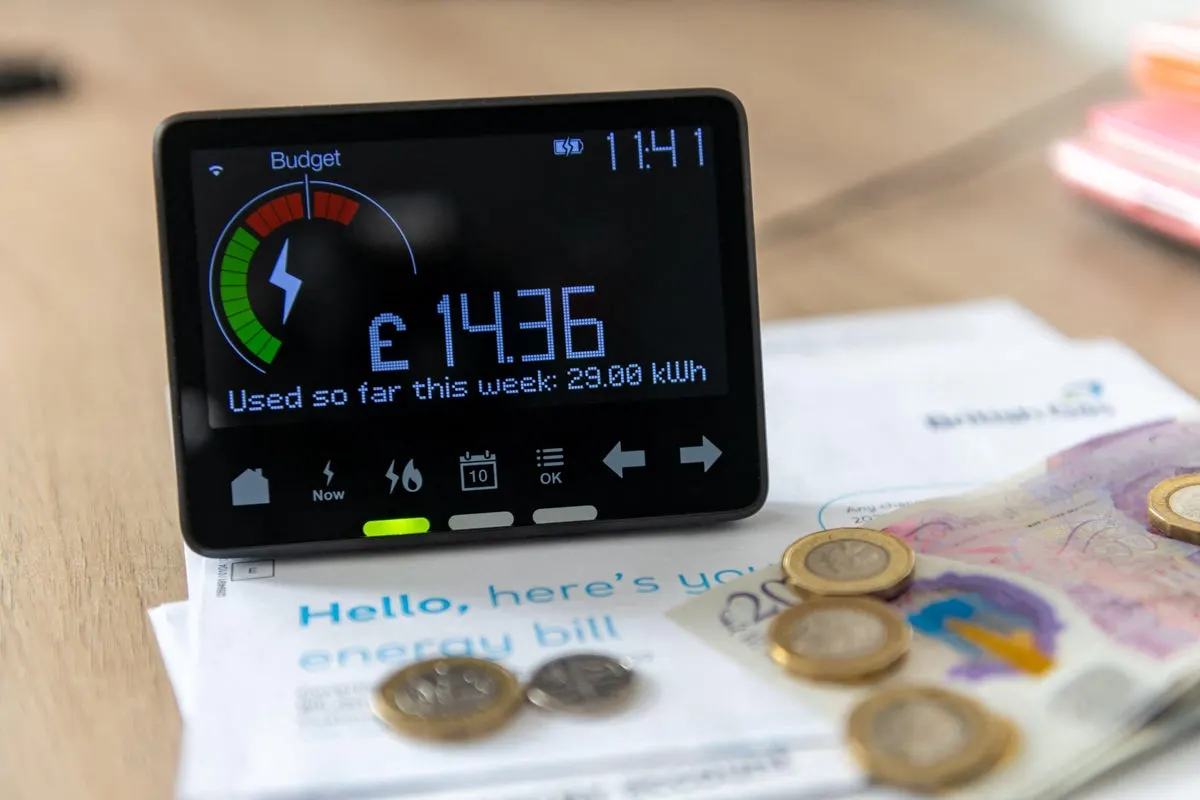
Labour’s planned £100 household energy payment will cover only 11 days of a typical family’s winter energy costs, according to Resolution Foundation researchers. They say the scheme spreads support across too many households and may leave vulnerable families struggling as bills rise.
Cornwall Insight predicts the price cap will increase by £443, from £1,723 to £2,166, in the new year. A typical family is forecast to spend £275 on gas and electricity in January 2027, around 40 per cent more in real terms than a year earlier; just under 700,000 of the poorest households may miss the rebate, while about 3.5 million of the richest will receive it. The government says up to 20 million households will get the payment, with around six million also receiving the £150 Warm Home Discount.
In short
- The £100 payment covers about 11 days of typical winter energy costs.
- Bills are forecast to rise by £443 in the new year.
- Some of the poorest households may miss the rebate.
Steelman: both sides, in good faith
The strongest fair case each way — we don't pick a winner.
The case for
A broad £100 payment can provide timely help to many households facing higher bills, while keeping the scheme relatively simple and spreading support beyond a narrow group. The government may judge that wide eligibility recognises that energy costs affect households across income levels, and that the Warm Home Discount offers additional help to some six million households.
The case against
With bills forecast to rise sharply, a flat £100 payment may offer too little help to families under the greatest pressure, especially if poorer households are excluded while many wealthier households receive it. Critics can argue that concentrating more support on low-income and vulnerable households would use public funds more effectively and better protect those at risk of hardship.
Explained simply
The energy price cap limits the rates suppliers can charge households on standard variable tariffs. It changes several times a year, so the amount a household actually pays depends on how much energy it uses; winter bills are usually higher because homes need more heating.
The government’s planned £100 payment is intended to help households with energy costs. A separate Warm Home Discount gives eligible households a reduction on their bills, with support aimed at people on low incomes or who may be vulnerable to higher costs.
The debate is about how widely energy support should be shared and whether it reaches households most in need. Energy bills affect household budgets and the cost of living, particularly for people with limited income or homes that are difficult to heat.