Culture news and discussion on TalkFuse.
Labour’s EU reset won’t make your food shop cheaper, it could make it more expensive
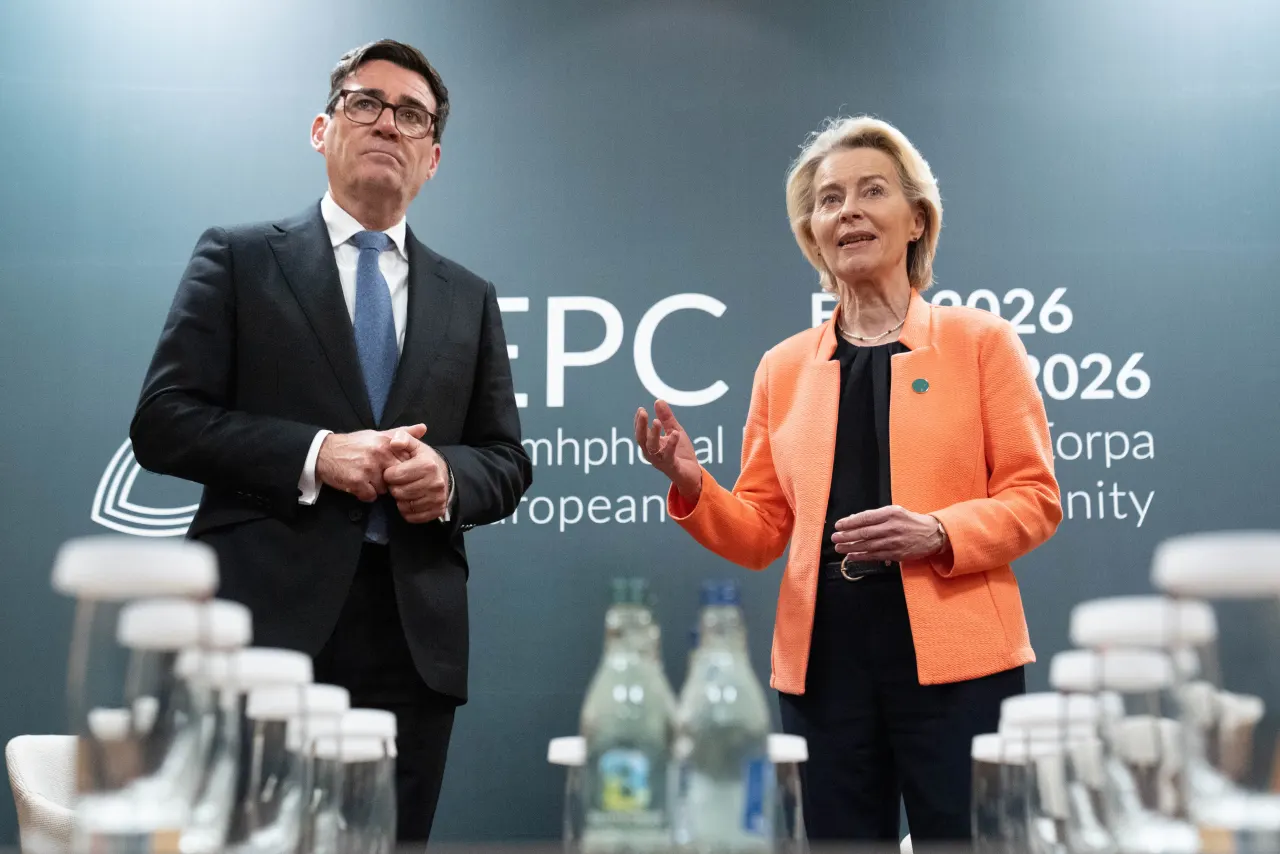
The article argues that Labour’s proposed reset with the EU is unlikely to make food cheaper and could raise costs instead. It says the government is overstating the savings from an agri-food agreement, which would involve the UK aligning with EU rules.
The article cites food price rises of 25% in the UK between December 2019 and March 2023, compared with an average 30% across the EU, and argues that global pressures and domestic policies were the main causes. It contends that alignment could add costs for food businesses, restrict farmers’ access to some technologies and pesticides, and limit the UK’s ability to set trade rules independently.
In short
- The article says the EU reset may raise food costs.
- UK food prices rose 25% from December 2019 to March 2023.
- It argues alignment could limit UK farming and trade choices.
Steelman: both sides, in good faith
The strongest fair case each way — we don't pick a winner.
The case for
An agri-food agreement could reduce border checks and paperwork, making it easier and cheaper for businesses to trade with the EU. Supporters may argue that closer alignment would give exporters more certainty and that any savings could help offset food costs, even if global pressures and domestic policies have mattered more to date.
The case against
Critics may argue that aligning with EU rules would bring compliance costs, restrict access to some farming technologies and pesticides, and reduce the UK’s freedom to set its own trade and regulatory policies. If those costs outweigh savings from smoother trade, the agreement may not lower food prices and could add to them.
Explained simply
The UK left the EU’s single market in 2021, so food businesses now face more checks and paperwork when trading across the Channel. Labour has proposed closer cooperation, including an agreement on food and farming rules that could reduce some of those barriers. Such an agreement would involve the UK following rules shared with the EU.
The main players are the UK government, the EU, food businesses and farmers. Prices in shops are also affected by factors such as energy, transport, weather and global markets, as well as government decisions. The debate matters because changes to trade rules can affect the cost and availability of food, and how much freedom the UK has to set its own standards.
Culture Europe Food Government Politics World