World news and discussion on TalkFuse.
Labour’s mindless influencers are destroying the dignity of Downing Street
Developing story first seen 13 hours ago
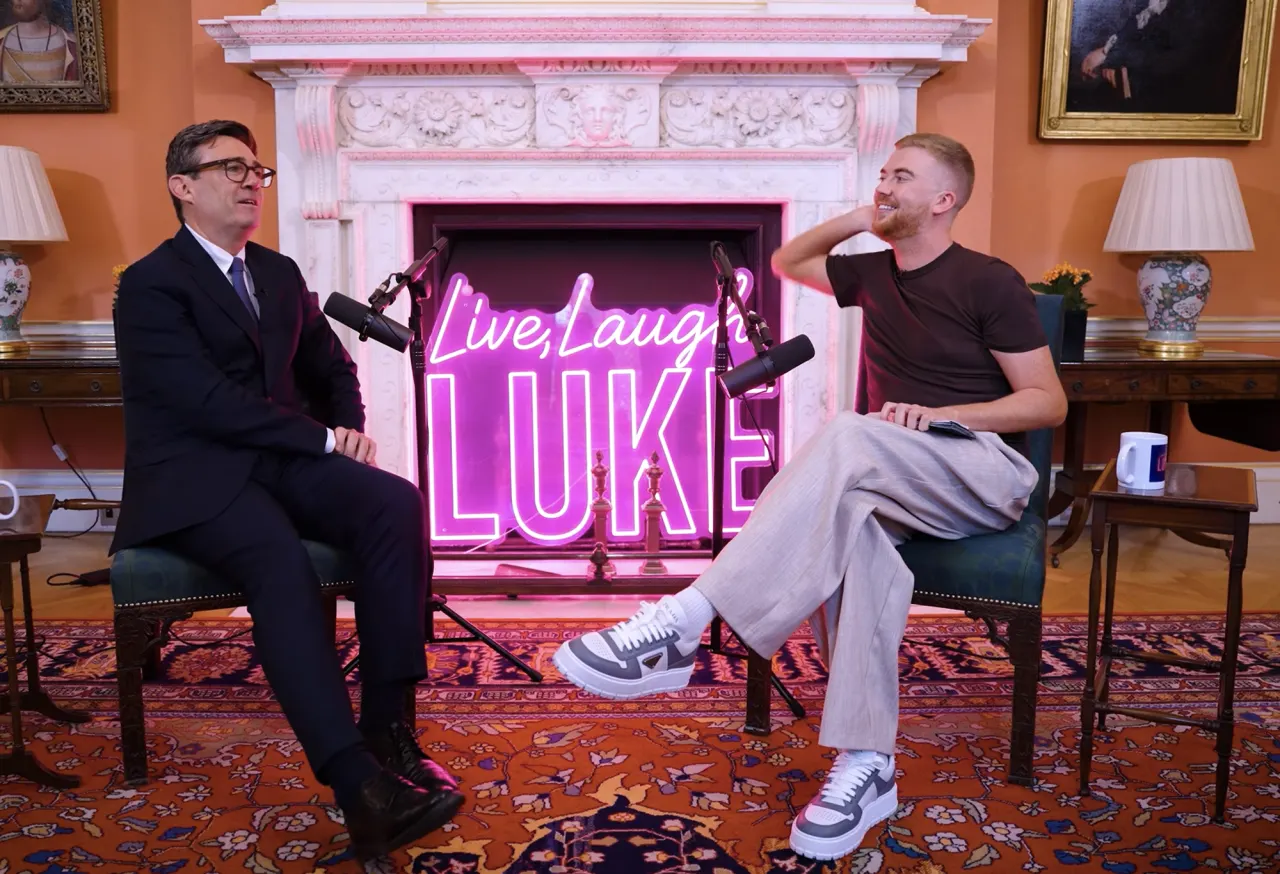
The article argues that Labour’s use of social media influencers at Downing Street risks weakening the dignity of the office and sidestepping scrutiny from journalists. Its author says the approach resembles government-funded promotion, while cautioning that Britain’s independent media is stronger than Hungary’s and that governments often return to engaging with the press.
The article says Labour has spent at least £3.2 million of public money, including agency and wider fees, on nearly 200 influencers since taking office; the total may be higher because some departments did not answer parliamentary questions. It also cites £266,000 for Bylines Network and £300,000 for other journalism sites, and says GB News had nine minutes with the Prime Minister in his first four months, less than one TikToker received that week.
- Sources
- 2
- Outlets
- 2
- Left · Centre · Right
- 0 · 0 · 2
In short
- Labour has spent at least £3.2 million on nearly 200 influencers.
- The author says influencer access risks bypassing journalistic scrutiny.
- The article compares media access with funding for journalism sites.
How this story developed
- 5 hours ago The article argues that Downing Street’s use of social media influencers diminishes the dignity of the office and risks bypassing scrutiny from independent journalists.
- 5 hours ago The article argues that Labour’s use of social media influencers at Downing Street risks weakening the dignity of the office and sidestepping scrutiny from journalists.
Steelman: both sides, in good faith
The strongest fair case each way — we don't pick a winner.
The case for
Using influencers can help the Government reach people who rarely follow political reporting, explain policies in formats they already use and respond to a fragmented media landscape. Publicly funded outreach is not inherently improper if it is transparent, accurate and clearly distinguished from independent journalism; direct access can complement, rather than replace, scrutiny by reporters and Parliament.
The case against
Government access and public money carry a duty to preserve clear boundaries between communication and independent reporting. Paying influencers and giving selected creators privileged access may make official promotion look like journalism, weaken accountability and leave established reporters with less opportunity to question ministers; incomplete spending disclosures heighten those concerns.
Explained simply
Downing Street is the UK prime minister’s official office and residence, and its communications help shape how the government explains its work. Ministers and officials have traditionally answered questions from journalists, including the parliamentary press corps, who report independently and can challenge what they are told.
Social media influencers publish content to audiences on platforms such as TikTok and Instagram, often in a personal style. Governments can pay them to explain policies or reach people who may not follow traditional news, but the use of public money for promotion raises questions about transparency and access to ministers.
The debate touches on how the government communicates and how journalists scrutinise those in power. It also sits within a wider discussion about the role of public funding in supporting media and journalism.
Coverage · 2 sources
Bias meters
From 2 rated sources.