World news and discussion on TalkFuse.
Labour’s influencer spending raises concerns over Downing Street scrutiny
Developed over time first seen 16 hours ago
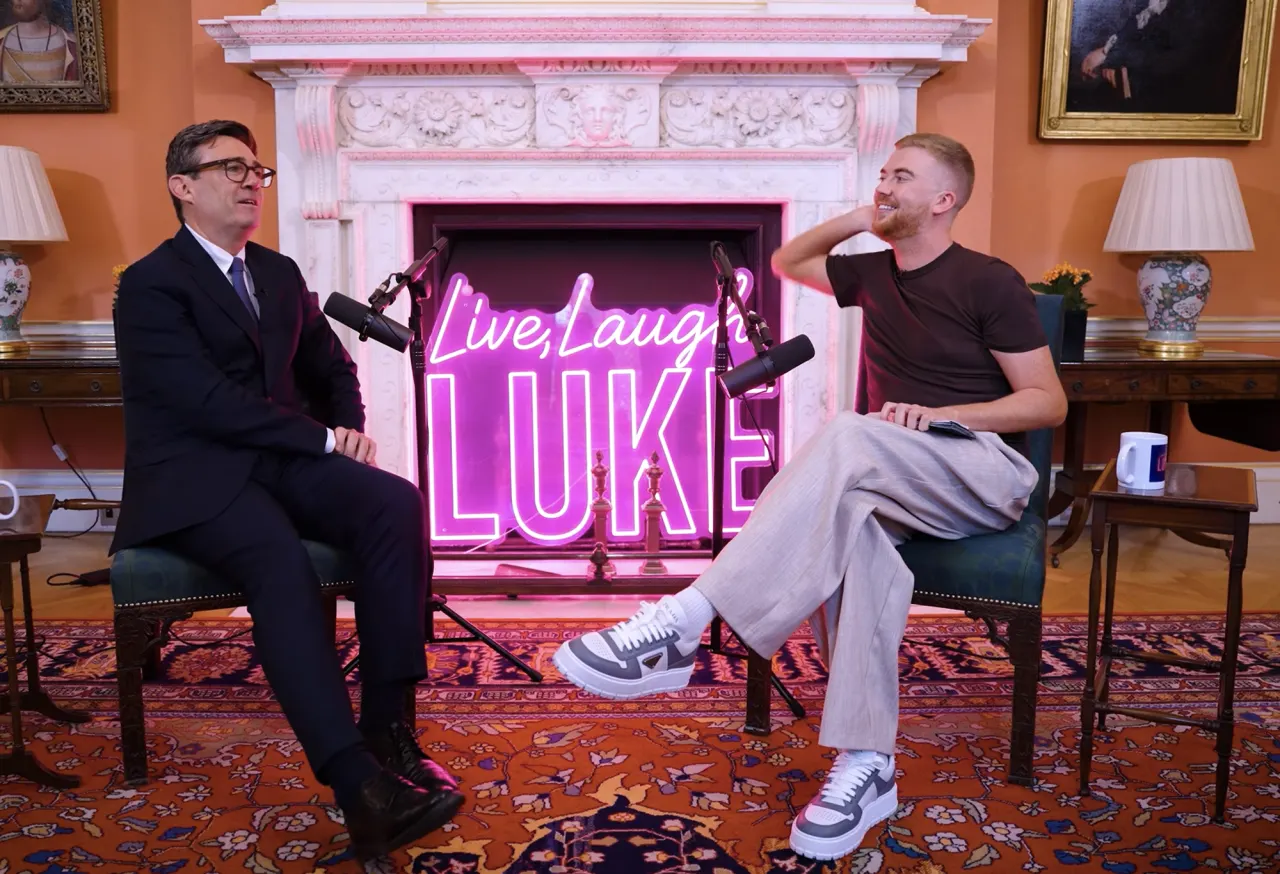
The article argues that Labour’s use of social media influencers at Downing Street risks diminishing the office’s dignity and weakening scrutiny by professional journalists. It criticises the approach as taxpayer-funded promotion, while noting that Britain’s independent media is stronger than Hungary’s and that governments often return to engaging with the mainstream press.
It says Labour has spent at least £3.2 million of public money, including agency and wider fees, on nearly 200 influencers since taking office; the total may be higher because some departments did not answer parliamentary questions. The article also cites £266,000 for Bylines Network and £300,000 for other journalism sites, and says GB News had nine minutes with the Prime Minister in his first four months, less than one TikToker received that week.
- Sources
- 2
- Outlets
- 2
- Left · Centre · Right
- 0 · 0 · 2
In short
- The article criticises Labour’s use of influencers at Downing Street.
- It says at least £3.2 million has gone to nearly 200 influencers.
- The author argues influencer access risks sidelining press scrutiny.
How this story developed
- 3 hours ago No material change was reported; the latest summary again highlighted the risk to journalistic scrutiny and cited the same spending figures and GB News comparison.
- 9 hours ago The latest account repeated the concerns and spending figures, specifying that GB News received nine minutes with the Prime Minister in his first four months, less than a TikToker got that week.
- 9 hours ago Labour’s use of influencers at Downing Street drew criticism for risking the office’s dignity and bypassing scrutiny, with at least £3.2 million spent on nearly 200 influencers and further public funding cited for journalism sites.
Steelman: both sides, in good faith
The strongest fair case each way — we don't pick a winner.
The case for
Using influencers can help the Government reach people who rarely follow political reporting, explain policies in formats they already use and respond to a fragmented media landscape. Publicly funded outreach is not inherently improper if it is transparent, accurate and clearly distinguished from independent journalism; direct access can complement, rather than replace, scrutiny by reporters and Parliament.
The case against
Government access and public money carry a duty to preserve clear boundaries between communication and independent reporting. Paying influencers and giving selected creators privileged access may make official promotion look like journalism, weaken accountability and leave established reporters with less opportunity to question ministers; incomplete spending disclosures heighten those concerns.
Explained simply
Downing Street is the UK prime minister’s official office and residence, and its communications help shape how the government explains its work. Ministers and officials have traditionally answered questions from journalists, including the parliamentary press corps, who report independently and can challenge what they are told.
Social media influencers publish content to audiences on platforms such as TikTok and Instagram, often in a personal style. Governments can pay them to explain policies or reach people who may not follow traditional news, but the use of public money for promotion raises questions about transparency and access to ministers.
The debate touches on how the government communicates and how journalists scrutinise those in power. It also sits within a wider discussion about the role of public funding in supporting media and journalism.
Coverage · 2 sources
Bias meters
From 2 rated sources.
Read the full article at the source →
Originally published by GB News as “Labour’s mindless influencers are destroying the dignity of Downing Street”.