Health news and discussion on TalkFuse.
Inquiry blames weak early border controls for UK’s Covid exposure
Developing story first seen 3 hours ago
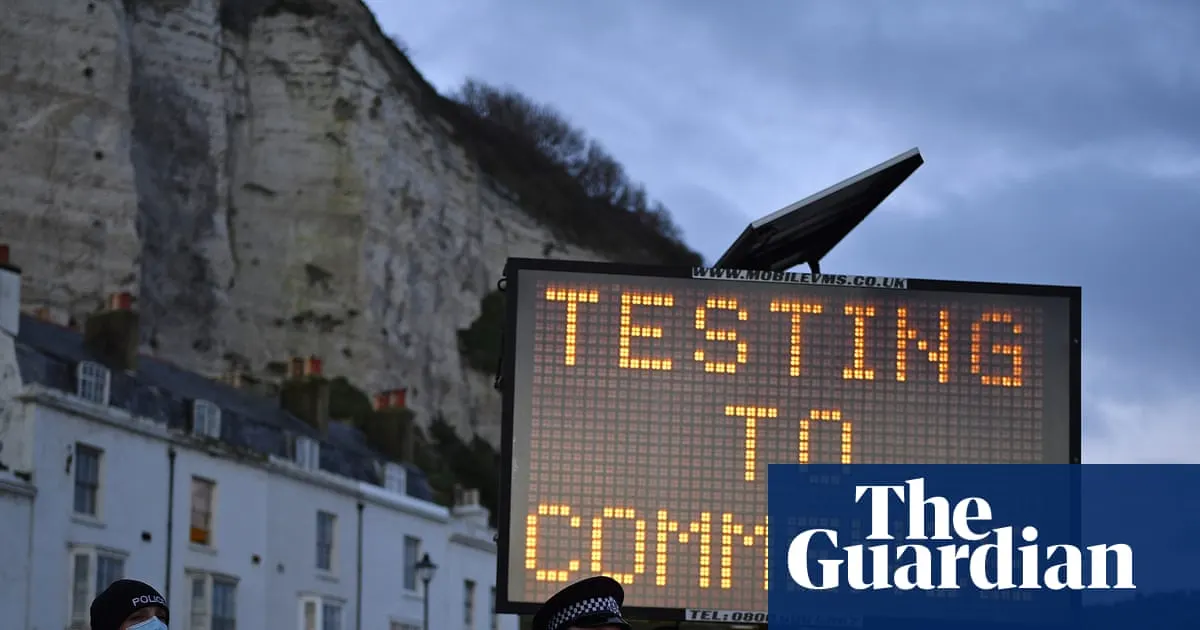
The Covid-19 inquiry says weak early border controls left the UK highly exposed, while delays in establishing test and trace allowed the virus to spread quickly and largely unchecked. Chair Heather Hallett said decision-makers lacked a clear picture of infections and the country was poorly prepared for a nationwide response.
By April 2020, 93% of countries had introduced measures such as travel restrictions, but the UK mainly asked people arriving from high-risk areas to self-isolate. The report says 18 February, when the UK had nine confirmed cases, was an opportunity to restrict travel; more than £25bn was later spent on England’s test-and-trace system. Recommendations include a UK-wide digital tracing tool, plans for large-scale manual tracing and financial support for people isolating.
- Sources
- 2
- Outlets
- 2
- Left · Centre · Right
- 1 · 0 · 1
In short
- Inquiry says weak border controls left the UK exposed.
- Delayed test and trace let infections spread unchecked.
- Recommendations include tracing tools and support for isolation.
How this story developed
- 3 hours ago The Covid-19 inquiry says the UK’s lack of early border controls and delays in setting up test and trace left the country highly exposed as the virus spread.
- 3 hours ago The Covid-19 inquiry says weak early border controls left the UK highly exposed, while delays in establishing test and trace allowed the virus to spread quickly and largely unchecked.
Full account
The UK’s Covid-19 inquiry has found that limited border measures and a delayed testing and contact-tracing system left the country poorly placed to contain the virus in the early months of 2020. In the seventh of its ten reports, chair Heather Hallett says the UK lacked the systems and capacity to identify infections and curb their spread when these measures could have had the greatest effect.
The report says that travellers arriving from Wuhan were asked to self-isolate from late January, but were not required to do so. In February, a coach of tourists from Wuhan travelled through England, Scotland and Northern Ireland and on to the Republic of Ireland. The inquiry says the UK introduced no broader travel restrictions until June. By April, 93 per cent of countries had adopted measures such as flight suspensions or travel limits. Hallett identifies 18 February, when nine cases had been confirmed in the UK, as a point when restrictions could have helped delay wider transmission and bought time to consider other responses.
The inquiry also criticises the slow development of testing and contact tracing. It says the UK had conducted preparedness exercises and faced previous public health emergencies, yet had to build a nationwide system almost from the ground up during the crisis. Without an effective way to find cases and trace contacts, decision-makers had little visibility of how far the virus had spread. More than £25bn was spent on England’s NHS Test and Trace programme, but Hallett says it arrived too late to contain the initial wave. The report describes Covid-19 as spreading across the country for the first three months with little constraint.
The report draws on public testimony from 41 witnesses, 200 written statements and more than 23,000 documents. It is the inquiry’s seventh report; earlier findings criticised the handling of infections in care homes and concluded that a lockdown introduced a week earlier might have saved more than 20,000 lives. The latest findings focus on preparedness and early response, and call for a clearer strategy for border measures during future pandemics. The reports place responsibility on shortcomings in government planning and action, while the inquiry’s broader account includes the consequences for people who died and families left grieving.
Where outlets differ
From the full account, which is AI-written from the sources:
Both reports centre on weak early border controls and a late test-and-trace response. Source 1 foregrounds the inquiry’s assessment that the UK was left “extremely vulnerable” and gives more detail on the report’s evidence base, the cost of Test and Trace, earlier inquiry findings and the timing of restrictions. Source 2 gives greater prominence to the absence of a clear border strategy, estimates that more than 10 million people entered by air in February and March, and includes Hallett’s remarks about deaths and bereaved families. It also describes the eventual border measures as arriving two months after April, whereas Source 1 says there were no further restrictions until June.
Left-leaning outlets 1
Only here: blames, weak, early, exposure
Right-leaning outlets 1
Only here: lack, clear, strategy, influx, cases
Every side used: inquiry, border, controls, covid
Headline columns compared word for word; nothing in them is AI-written.
Steelman: both sides, in good faith
The strongest fair case each way — we don't pick a winner.
The case for
The inquiry’s findings support the case that earlier, firmer border measures and a functioning tracing system could have slowed imported infections and given the UK more time to prepare. With few confirmed cases in February and many countries later imposing travel measures, advocates of this view argue that precaution was justified amid uncertainty, especially if isolation was backed by practical financial support.
The case against
The case against treating weak border controls and delayed tracing as decisive failures is that, early in the pandemic, the scale and spread of Covid were uncertain, and travel restrictions could not by themselves prevent transmission already occurring within the UK. Decision-makers had to weigh potential health benefits against disruption to travel and livelihoods, while rapid nationwide testing and tracing required systems that had not yet been built; the inquiry’s findings can inform that judgement without proving that a different approach would have prevented the later spread.
Explained simply
Covid-19 is the disease caused by a coronavirus that spread internationally in 2020. Governments tried to limit its spread through measures including travel rules, testing and contact tracing, which identifies people who may have been exposed to someone with the virus.
In the UK, public health bodies and the governments of England, Scotland, Wales and Northern Ireland were responsible for preparing and responding, while the Covid-19 inquiry examines how those decisions were made. Heather Hallett chairs the inquiry, which is looking at the UK’s handling of the pandemic.
The inquiry’s findings matter because they may shape plans for future outbreaks. They raise questions about how quickly reliable information can be gathered and how testing, tracing and support for people asked to isolate can be organised across the UK.
Coverage · 2 sources
Bias meters
From 2 rated sources.
Health Medicine Politics Software Technology UK World
Read the full article at the source →
Originally published by The Guardian as “Lack of early border controls made UK ‘extremely vulnerable’ to Covid, inquiry finds”.