Lack of inspections at fish slaughterhouses a ‘disgrace’, says Animal Equality UK
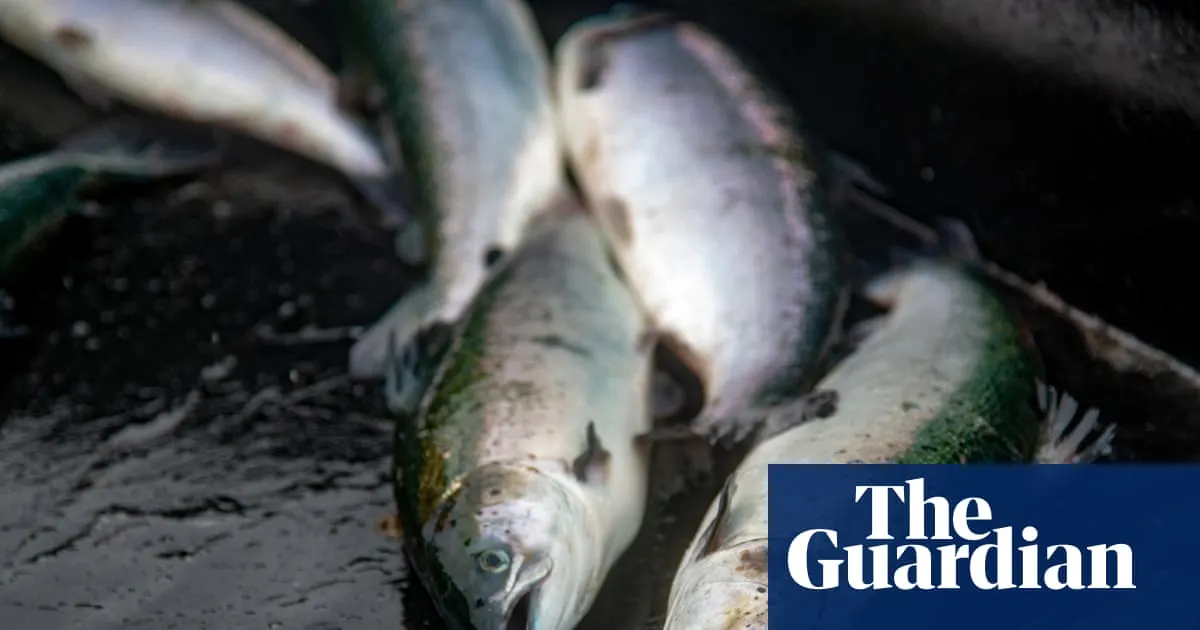
There are no routine or mandatory inspections of fish slaughterhouses in England and Wales, despite up to 77 million fish being killed in the UK each year. Animal Equality UK says this leaves fish welfare at slaughter unchecked and is urging ministers to bring forward humane slaughter laws and an inspection regime.
Government advisers first recommended legislation in 1996 and repeated calls in 2014 and 2024, including a recommendation that fish be stunned before slaughter. England’s 2025 Animal Welfare Strategy pledged humane slaughter requirements, but draft legislation has not appeared; APHA says fish farms are regulated and inspected, and that it investigates suspected welfare problems.
- No routine slaughter inspections for fish in England and Wales.
- Ministers pledged humane slaughter rules, but draft legislation is pending.
- APHA says it inspects fish farms and investigates suspected poor welfare.
New here? Start with this
Fish slaughterhouses in England and Wales currently have no routine or mandatory inspections, despite up to 77 million fish being killed for food in the UK annually. This means there is no official oversight of conditions or treatment at these facilities.
Animal welfare groups including Animal Equality UK say this oversight gap is unacceptable and are calling on the government to introduce laws requiring humane treatment of fish at slaughter and to establish an inspection system. Government advisers have been recommending such legislation since 1996, with further calls in 2014 and 2024, including recent recommendations that fish be stunned before slaughter.
The government pledged in its 2025 Animal Welfare Strategy to introduce humane slaughter requirements, but draft legislation has not yet been published. The agriculture regulator, APHA, says fish farms are inspected and it investigates suspected welfare problems, though this does not extend to the slaughter process itself.
Both sides, in good faith
The strongest fair case each way — we don't pick a winner.
The case for
Fish welfare advocates argue that the absence of mandatory slaughter inspections affecting 77 million fish annually in the UK represents an indefensible welfare gap. Government advisers have recommended humane slaughter legislation consistently over three decades, yet the promised 2025 strategy has not produced draft legislation, demonstrating regulatory failure. Fish are sentient beings capable of experiencing pain and suffering; without specific slaughter inspections, their welfare at death remains entirely unmonitored, contradicting the UK's claimed animal welfare standards and necessitating legislative action.
The case against
Those defending the status quo argue that fish farming operations in England and Wales are already subject to welfare regulation and APHA inspection, with mechanisms to investigate suspected violations, making additional oversight potentially duplicative. Creating new mandatory slaughter inspections would impose regulatory and financial burden on an industry already operating under comprehensive farm-level controls, and existing enforcement might be strengthened before new bureaucratic requirements are introduced. Whether specific slaughter legislation is necessary has not been conclusively demonstrated when current frameworks, if properly enforced, could adequately protect fish welfare.