Entertainment news and discussion on TalkFuse.
‘Ladies and Gentlemen, Brian Mulroney’ movie review: A psychedelic and damning cosmic political satire
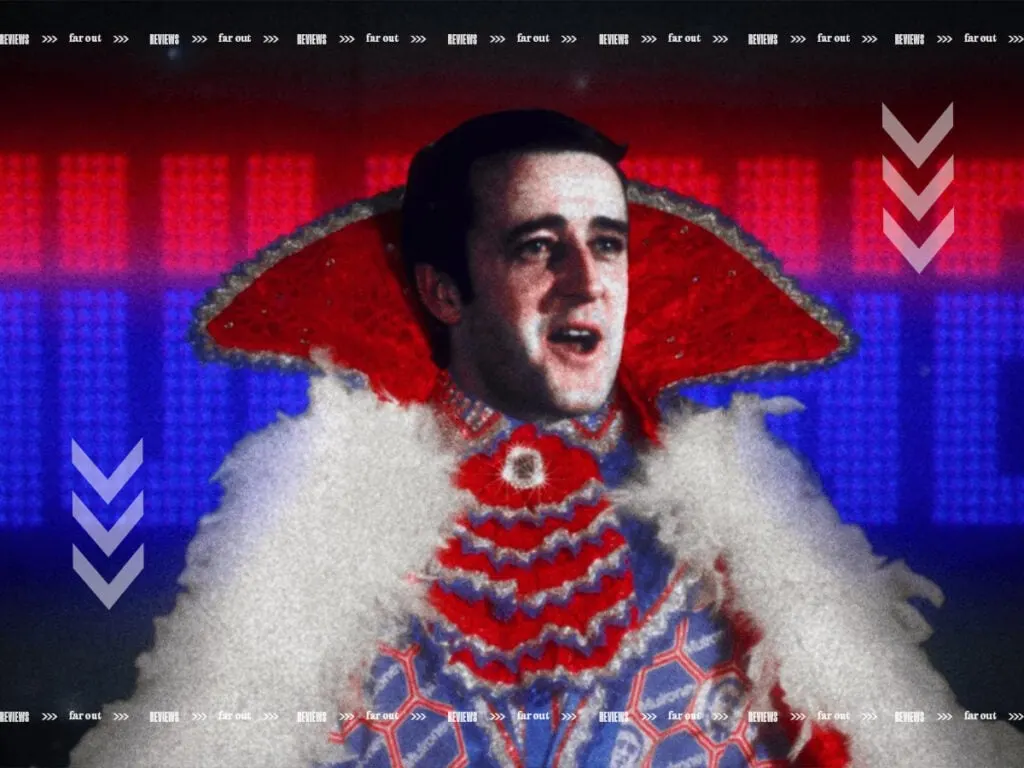
Matthew Rankin has created an experimental documentary, "Ladies and Gentlemen, Brian Mulroney," examining the unusual political career of Canadian Prime Minister Brian Mulroney, who was elected in 1984. Rather than employing traditional documentary techniques, Rankin employs avant-garde surrealism and gonzo journalism methods to critique political media coverage and the nature of Canadian Conservative politics. The film is notable because it represents a departure from conventional biographical filmmaking, using psychological and visual extremes to interrogate how politics is presented and consumed through modern media language.
The film comprises solely archival footage, audio clips, animations and original material crafted with an internet-aesthetic sensibility, structured in chapters that explore different eras of Mulroney's career. Rankin's approach is deliberately merciless, transforming politicians into caricatures, though he uses their own contradictory statements rather than outright misrepresentation. The director focuses on political statements rather than actions, and deliberately ends the narrative at a point allowing viewers to draw their own conclusions about contemporary implications. The psychedelic visual style—featuring distorted colours, feverish imagery and musical interludes—creates a tone simultaneously hilarious and unsettling.
In short
- Experimental documentary uses surreal visuals and archival footage to critique Canadian political history
- Film lets politicians condemn themselves through their own contradictory words rather than overt manipulation
- Rankin's unconventional approach makes the work more engaging than a traditional political biography
Steelman: both sides, in good faith
The strongest fair case each way — we don't pick a winner.
The case for
Rankin’s surreal, internet-age style can be seen as a fitting way to examine how political media turns leaders into spectacles. By building its critique from archival material and politicians’ own contradictory statements, the film invites viewers to question political language and draw their own conclusions about its continuing influence.
The case against
The same approach may weaken the film’s fairness and explanatory power: caricature, visual distortion and a deliberately merciless tone can steer viewers towards condemnation before they can assess the record. Its focus on statements rather than actions, and its choice to leave implications unresolved, may make for provocative satire but a less rounded account of Mulroney’s political career.
Explained simply
Brian Mulroney was Canada’s prime minister from 1984 to 1993 and led the Progressive Conservative Party. His time in office is part of a wider story about how political leaders use public speeches and news coverage to shape their image.
Documentaries about politicians often combine interviews, archival recordings and accounts of their decisions. Matthew Rankin’s film uses archival footage, audio, animation and newly made material to examine Mulroney’s public language and how politics is presented in the media.
The film’s surreal style reflects its focus on the way political messages can be staged, repeated and interpreted. Its subject matters beyond one former prime minister because the relationship between political performance, media coverage and public understanding remains central to democratic politics.