Science news and discussion on TalkFuse.
Landowner faces £3m bill after rogue firm dumps 28,500 tonnes of waste
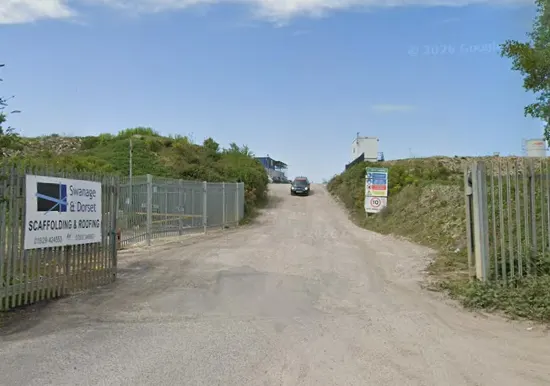
Dorset landowner Paul Wilkes faces a £3 million bill to clear 28,500 tonnes of illegally dumped waste from a former quarry leased to Hillier Recycling. The case has raised questions about the Environment Agency’s oversight, as Wilkes says it failed to stop the dumping despite repeated warnings.
The waste included plastics, electrical items and potentially carcinogenic petroleum hydrocarbons, piled up to 50 feet high over seven years. Agency records show more than 20 site visits from 2015 to 2022, but Hillier continued operating until it abandoned the quarry in September 2022; the company entered liquidation in 2024. The agency then ordered Wilkes to clear the site or face prosecution, and he is appealing. Three men have pleaded guilty to offences connected with the site and are due to be sentenced.
In short
- A Dorset landowner faces £3 million in clean-up costs.
- 28,500 tonnes of waste were dumped at a former quarry.
- He is appealing an Environment Agency clean-up order.
Steelman: both sides, in good faith
The strongest fair case each way — we don't pick a winner.
The case for
The Environment Agency had a duty to enforce waste rules and protect people and the environment, and repeated warnings alongside more than 20 visits raise questions about whether it acted quickly and firmly enough. Wilkes can argue it is unfair to place a multimillion-pound clean-up burden on the landowner when the tenant allegedly brought in the waste and the regulator had opportunities to intervene.
The case against
As the landowner and lessor, Wilkes may bear responsibility for ensuring the site was used lawfully and for addressing hazards on his property, even if a tenant carried out the dumping. Requiring him to clear the waste could protect the public and prevent the costs and risks from falling on the wider community, while the agency’s oversight can be scrutinised separately.
Explained simply
A quarry is a large pit left by extracting stone or minerals. It can be leased to a company to handle or recycle waste, but operators must follow environmental rules and prevent pollution. The Environment Agency inspects sites and can take enforcement action when those rules are broken.
Here, Dorset landowner Paul Wilkes leased a former quarry to Hillier Recycling. The waste included plastics, electrical items and petroleum hydrocarbons, which can pose health risks; Hillier later went into liquidation. Wilkes says the agency did not act on warnings, while the agency has ordered him to arrange the clean-up.
The case raises questions about who should pay when a waste operator leaves a site polluted, and how effectively regulators oversee permitted businesses. The scale and cost of removing the waste also show the lasting impact illegal dumping can have on land and its owner.