Tomb Raider’s missteps include rushed sequels and unwanted companions
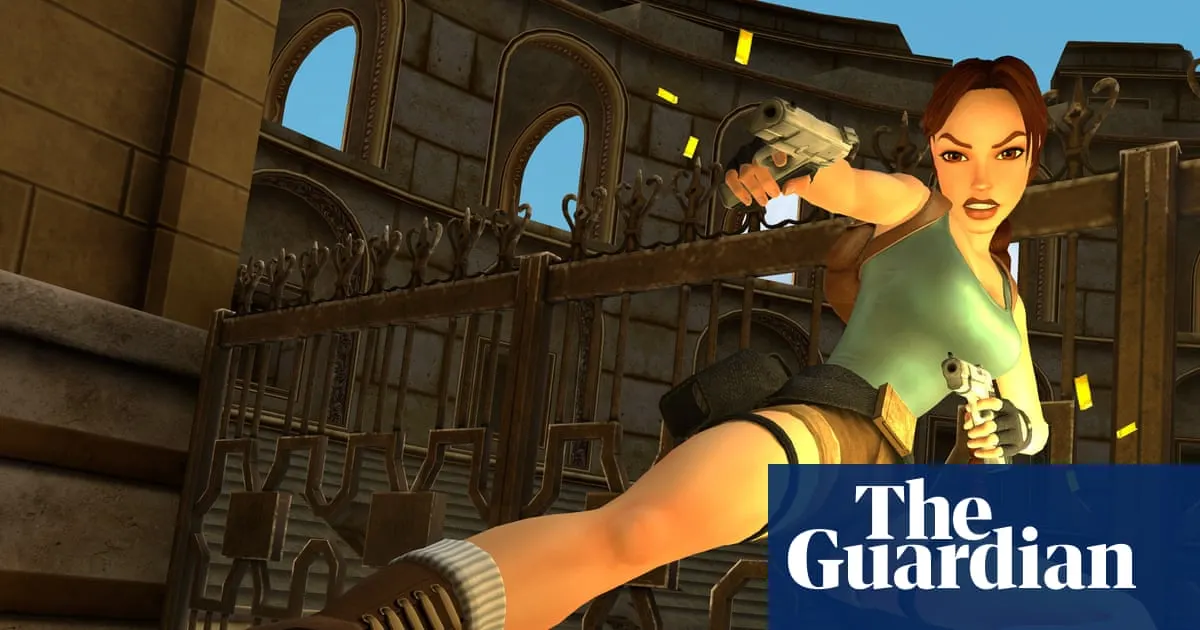
Lara Croft turns 30 this month, marking three decades since the first Tomb Raider game helped make her a major video game and pop culture icon. The article looks back at less successful moments in the series, arguing that commercial pressure, misguided design choices and unwanted companions sometimes undercut what players enjoyed about the games.
It recalls promotional campaigns that placed Lara in awkward adverts, including one selling the idea of a wedding dress, and says publisher Eidos pushed developer Core Design to release a game each year. After Lara was buried at the end of The Last Revelation, Eidos demanded a follow-up, resulting in Tomb Raider: Chronicles. The 2003 game The Angel of Darkness is criticised for its bugs, controls and gloomy setting, while later games are faulted for adding sidekicks that weakened the solitary exploration of the earlier titles. The franchise has sold more than 100 million games.
In short
- Lara Croft’s first game arrived 30 years ago.
- The franchise has sold more than 100 million games.
- Annual releases and design missteps drew criticism.
Steelman: both sides, in good faith
The strongest fair case each way — we don't pick a winner.
The case for
A strong case for the article’s critique is that annual release pressure and promotional choices can put short-term sales ahead of the care that makes a series distinctive. Players who valued Lara’s solitary exploration could reasonably see unwanted companions, alongside rushed or poorly executed games, as weakening the atmosphere and design that made Tomb Raider appealing.
The case against
A reasonable countercase is that a long-running franchise must adapt to changing audiences and commercial realities, and experiments with companions or different tones can broaden its appeal. The series’ enormous sales suggest that its uneven entries did not erase its cultural reach, while a game’s flaws may reflect difficult production circumstances as much as misguided priorities.
Explained simply
Tomb Raider is an action-adventure video game series built around Lara Croft, an archaeologist who explores dangerous sites and searches for ancient objects. Its early games became known for combining exploration, puzzles and combat, with Lara often facing those challenges alone.
The games were made by Core Design and published by Eidos, whose commercial decisions shaped how quickly new titles appeared. The series also changed over time, as developers experimented with different settings and added supporting characters alongside Lara.
The franchise has sold more than 100 million games, and Lara has become a familiar figure beyond gaming. Its history shows how the demands of a successful series can influence the pace and design of later games.
Americas Art Culture Entertainment Gaming Technology World
Read the full article at the source →
Originally published by The Guardian as “Lara Croft is 30! We look at the video game icon’s biggest blunders”.