World news and discussion on TalkFuse.
US data centres may use more electricity than Chile as expansion continues
Developed over time first seen 17 hours ago
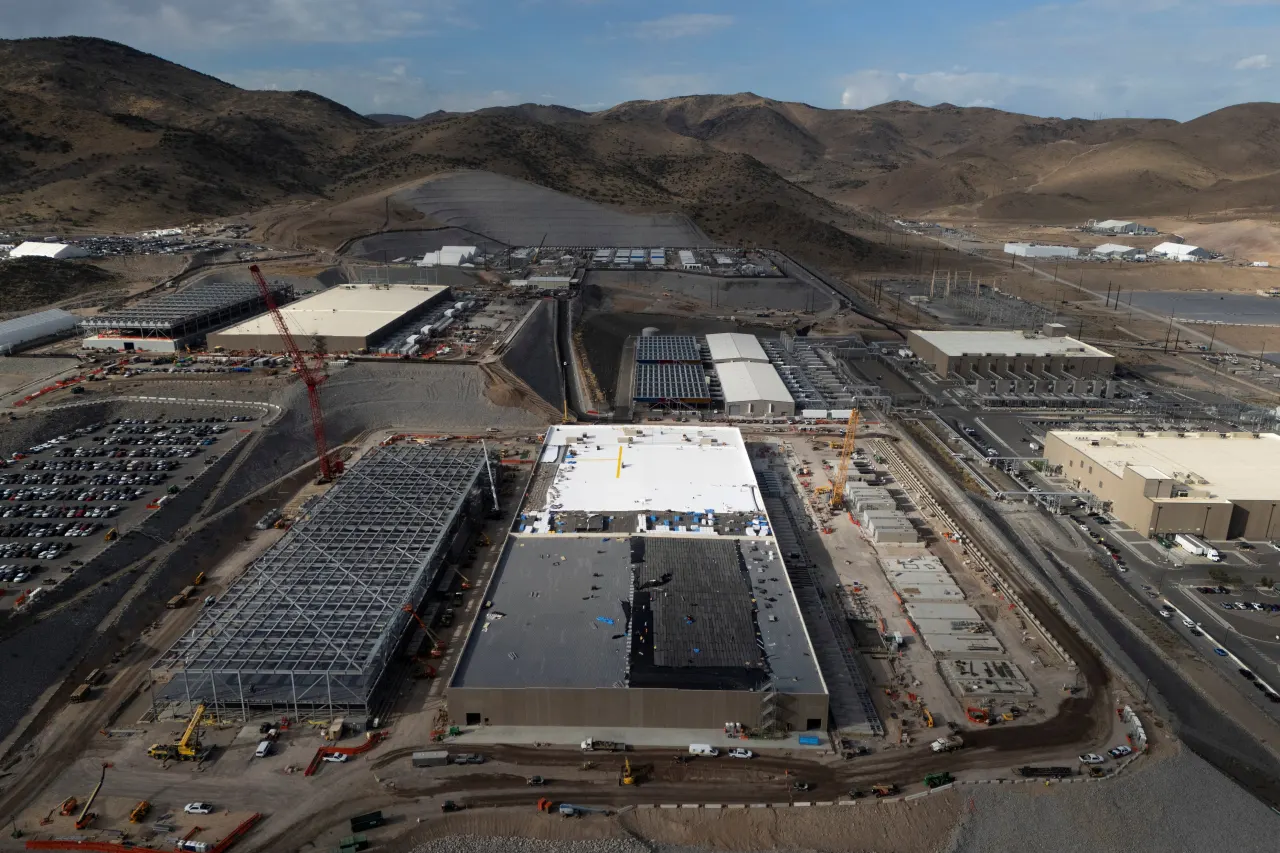
US hyperscale data centres used an estimated 68 to 99 terawatt-hours of electricity, with the upper figure exceeding Chile’s annual consumption. A Harvard-led study says the facilities account for about 1.8% of US electricity use, while limited public information makes their energy demand and emissions difficult to measure.
Researchers mapped 403 centres using information from operators and satellite imagery, estimating emissions of about 25.7 million metric tons of carbon dioxide. Iowa, Ohio, Oregon and Virginia together accounted for more than half of detected energy use. The count reflects observations made between May 2024 and April 2025, so it excludes subsequent construction and expansion and is considered a conservative estimate.
- Sources
- 2
- Outlets
- 2
- Left · Centre · Right
- 1 · 1 · 0
In short
- US hyperscale data centres used up to 99 TWh of electricity.
- Four states accounted for more than half of detected use.
- Researchers say the figures are conservative and may already be higher.
How this story developed
- 9 hours ago The latest report emphasised that the estimates may already be outdated, as construction and expansion continued after researchers’ observations ended in April 2025.
- 15 hours ago The coverage added that the facilities’ upper electricity estimate exceeds Chile’s annual consumption and that four states—Iowa, Ohio, Oregon and Virginia—account for more than half of detected use.
- 16 hours ago A Harvard-led study estimated that 403 US hyperscale data centres used 68 to 99 terawatt-hours of electricity and emitted 25.7 million tonnes of carbon dioxide, while warning that limited public data made its findings conservative.
Full account
US hyperscale data centres could consume as much electricity in a year as Chile, according to a new study by Harvard researchers. The analysis, published in Nature Sustainability, estimates that the country’s largest data centres used between 68 and 99 terawatt-hours (TWh) of electricity. The upper estimate is above Chile’s reported annual use of 83.2 TWh and equivalent to about 1.8% of total US electricity consumption.
The study estimates that 403 hyperscale facilities emitted 25.7 million tonnes of carbon dioxide over the 12 months to April 2025. That is around three times the level estimated in a 2018 assessment. The researchers also found that electricity use is concentrated in a handful of states: Iowa, Ohio, Oregon and Virginia together account for more than half of the consumption they identified. The Reuters report adds that most of the facilities it examined were powered by gas.
The estimates arrive as demand for computing grows, particularly with the expansion of artificial intelligence. Data centres need electricity both to run their servers and to keep them cool, but operators do not publish a complete, consistent account of their energy use. The researchers say this lack of disclosure makes it difficult to establish the sector’s scale and environmental impact from public records alone.
To fill those gaps, the team sought information from operators and combined it with satellite imagery. They used visible features of large facilities to identify sites, then estimated their installed capacity from the area they occupied. Lead author Gianluca Guidi said the work was intended to improve transparency and provide a credible basis for public discussion. The findings come amid growing opposition to new data-centre projects in the US, where Reuters reports that critics advocating measures such as construction pauses and tighter rules made gains in the November midterm elections.
Where outlets differ
From the full account, which is AI-written from the sources:
The first report foregrounds electricity consumption, giving a range of 68–99 TWh and comparing the high end with Chile. Reuters focuses on emissions, reporting 25.7 million tonnes for 403 facilities and comparing that annual amount with Denmark’s greenhouse-gas emissions.
The first report describes the emissions estimate as two to three times an earlier 2018 estimate; Reuters states that it is three times higher. The reports also differ in emphasis: the first explains the satellite-based estimation method in detail, while Reuters highlights gas-powered facilities and the political backlash against data-centre expansion.
Left-leaning outlets 1
Only here: centres, electricity, chile, expansion, continues
Centre outlets 1
Only here: hyperscale, centers, emit, much, denmark
Every side used: data
Headline columns compared word for word; nothing in them is AI-written.
Steelman: both sides, in good faith
The strongest fair case each way — we don't pick a winner.
The case for
Data centres underpin cloud services, AI research and many everyday digital tools, so expanding capacity can support innovation, productivity and economic growth. Their electricity use may be justified if the benefits are substantial and operators improve efficiency, secure cleaner power and build where energy and grid capacity can support them.
The case against
The estimated electricity demand and emissions are already substantial, and continued construction could increase pressure on power grids and make climate targets harder to meet. Because public data is limited and the researchers describe their estimates as conservative, communities and policymakers may struggle to assess the full costs or plan for them without stronger disclosure and safeguards.
Explained simply
Data centres house computer servers that store information and run online services, from search engines to artificial intelligence. The largest, known as hyperscale centres, use electricity around the clock to power and cool their equipment.
A Harvard-led research team estimated electricity use and emissions across 403 US facilities, using operator information and satellite images because public figures are limited. Its estimates cover observations up to April 2025, and the researchers describe them as conservative.
The findings matter because electricity use can affect energy supplies and emissions, while the centres support services used by businesses and the public. More than half of the detected use was in Iowa, Ohio, Oregon and Virginia.
Coverage · 2 sources
Bias meters
From 2 rated sources.
Americas Climate Research Science World
Read the full article at the source →
Originally published by El País as “Large data centers in the US already consume as much energy as the whole of Chile”.