Largest woodland bat survey a ‘nice story of AI for good’
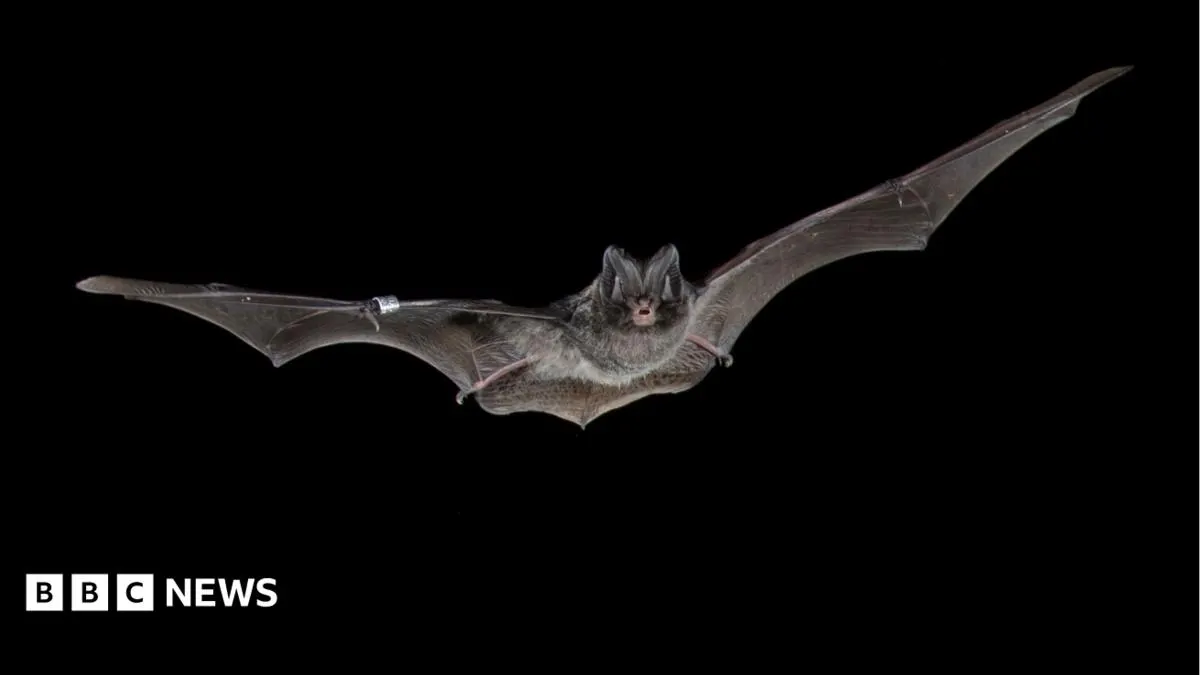
Scientists have completed Britain’s largest woodland bat survey, using AI to analyse recordings from 310 woodlands. The project captured 98 million bat calls over three years, a volume researchers say would have taken more than 30 years to analyse manually, showing how AI can expand wildlife monitoring.
The survey recorded some of England’s rarest and most threatened bats, including the Barbastelle, with activity hotspots concentrated in the South West. Researchers collected 90,000 hours of recordings; the Bat Conservation Trust said strong activity and rare species sightings in Somerset were among the notable findings.
In short
- AI analysed 98 million bat calls from 310 woodlands.
- The recordings would have taken over 30 years to review manually.
- Rare Barbastelle activity was concentrated in the South West.
Explained simply
Bats use echoes to navigate and find food, and different species make calls with distinctive patterns. Because many bats are active at night and are difficult to identify by sight, researchers use sound recordings to track which species are present and where they are active.
The Bat Conservation Trust is a charity that works to protect bats in Britain, alongside scientists and local conservation groups. Woodland surveys can help show how bats use different habitats, including where rare species such as the Barbastelle are found.
Analysing recordings by hand takes considerable time, so researchers are exploring how artificial intelligence can help process large amounts of wildlife data. The approach may allow surveys to cover more places and provide information that can guide conservation work.
AI Science Technology UK World