World news and discussion on TalkFuse.
Latest cost-of-living protests bring more than 140,000 onto the streets across France
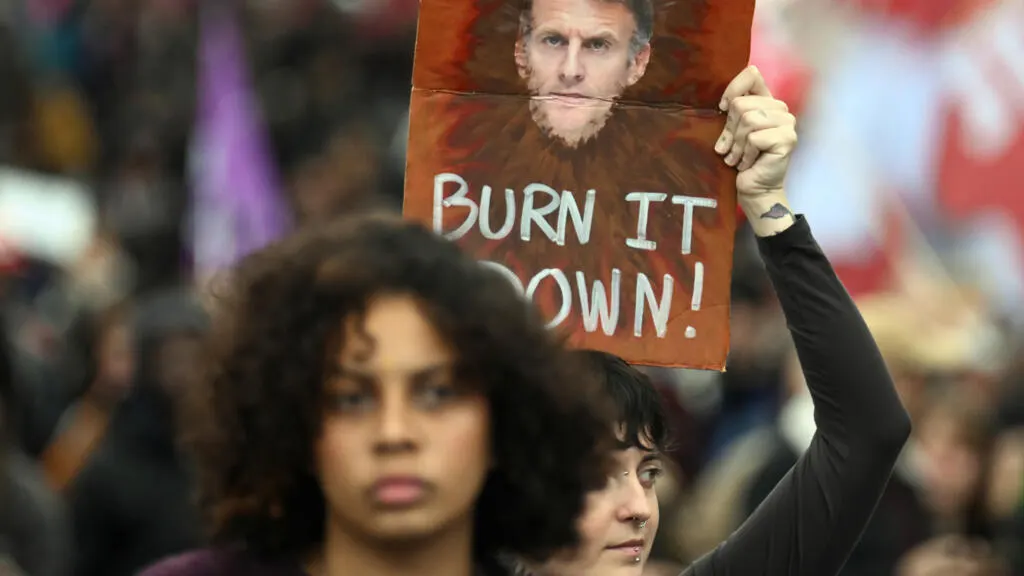
Students and some private sector workers joined public sector staff in cost-of-living protests across France, pressing the government over pay, services and budget cuts. The demonstrations reflect wider discontent as Prime Minister Sébastien Lecornu’s government prepares a deficit-cutting budget ahead of next year’s presidential election, with unions and marchers warning about worsening public services and the far right’s prospects.
The interior ministry counted 146,000 participants nationwide, including 28,000 in Paris, down from 575,000 across France on 5 November; unions put Tuesday’s turnout above 500,000, including 175,000 in Paris. Public sector unions say workers’ purchasing power has fallen 16 per cent since 2017, while the draft budget rules out a general pay rise for a fourth consecutive year. Most rallies were peaceful, though authorities deployed security forces amid concerns about a recurrence of earlier unrest.
In short
- France’s latest protests drew sharply different turnout estimates.
- Unions counted more than 500,000 participants; the ministry reported 146,000.
- Public sector workers are seeking pay rises as the budget rules them out.
Steelman: both sides, in good faith
The strongest fair case each way — we don't pick a winner.
The case for
Supporters of the protests argue that public servants and other workers need pay rises and adequately funded services to keep pace with living costs and maintain the quality of public provision. They see opposition to a fourth year without a general public-sector pay rise and to budget cuts as a legitimate way to press the government to share the burden fairly, especially if workers’ purchasing power has declined.
The case against
Those wary of the protests argue that France’s deficit requires credible spending restraint, and that broad pay increases or resisting cuts could make the budget harder to balance and shift costs to taxpayers or future governments. They may also contend that the turnout figures are disputed and that policy should be judged through budget decisions and elections, while authorities have a responsibility to prevent demonstrations from escalating into unrest.
Explained simply
France’s president is elected for a five-year term, and the government must also present a budget setting out how it will raise and spend public money. Sébastien Lecornu is prime minister, leading a government that is preparing a plan to reduce the budget deficit before next year’s presidential election.
Public sector workers include staff in areas such as schools, hospitals and local government, and their pay is negotiated with the state. Unions say their purchasing power has fallen since 2017; the draft budget does not provide a general pay rise for a fourth year running, amid wider concerns about public services and spending cuts.
Unions organise demonstrations and strikes to press the government on pay and working conditions, sometimes joined by workers from private companies and students. The protests bring those demands into public view as parties compete for support ahead of the election, including the far right.