Latin America’s conservative shift faces its biggest test yet in Brazil election
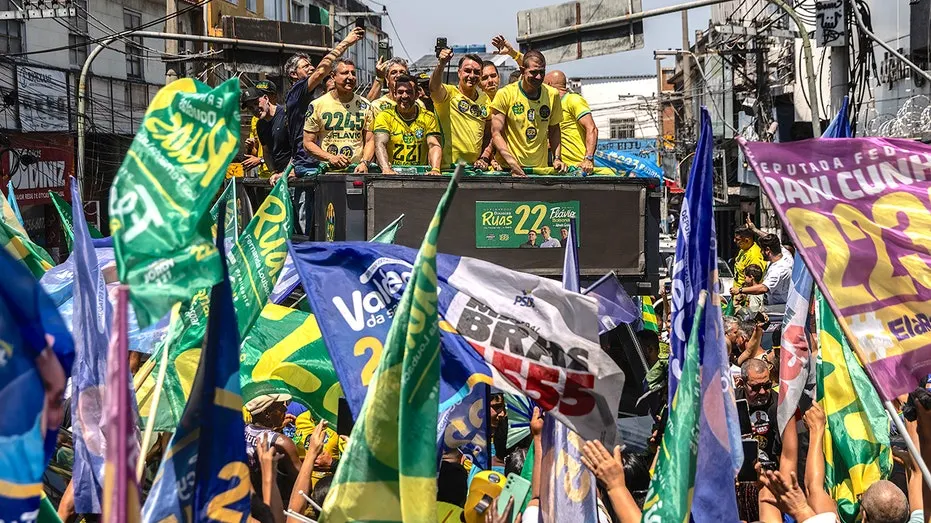
Brazil’s presidential election is a major test of whether the conservative gains seen elsewhere in Latin America will extend to the region’s largest country. Left-wing incumbent Luiz Inácio Lula da Silva is narrowly ahead of conservative senator Flávio Bolsonaro, but neither is expected to win the first round outright.
A Datafolha poll put Lula on 42% and Bolsonaro on 38%, within its two-point margin of error; it showed Lula three points ahead in a possible run-off. Other polling aggregators cited by electoral strategist Roberto Reis suggested a closer contest and Bolsonaro narrowly ahead in a run-off, while he said polls have previously underestimated support for candidates opposing Lula’s Workers’ Party. Bolsonaro has promoted closer US ties, including cooperation on critical minerals and a proposed trade agreement; US designation of two Brazilian criminal organisations as terrorist groups has drawn criticism from Lula and allies.
- Lula narrowly leads Flávio Bolsonaro before the first round.
- Polling suggests a close contest and possible run-off.
- Bolsonaro campaigns on closer ties and trade with the US.
New here? Start with this
Brazil is holding a presidential election that observers across Latin America are watching closely. The contest pits Luiz Inácio Lula da Silva, the left-wing incumbent, against Flávio Bolsonaro, a conservative senator. This election is seen as a major test of whether the conservative political movement gaining ground elsewhere in Latin America will extend to Brazil, the continent's largest country.
Lula led Brazil from 2003 to 2010 and returned to the presidency in 2022. Bolsonaro represents a conservative political alternative to Lula's left-wing position. Brazil's electoral system means that if no candidate wins more than half the vote in the first round, the top two candidates face each other in a run-off election.
The contest reflects fundamental disagreements over Brazil's economic direction, international relationships, and ties with the United States. The election outcome will indicate which political path Brazilian voters prefer and may influence the broader political trajectory of Latin America as a whole.