Politics news and discussion on TalkFuse.
Laura Kuenssberg: Healey risks breaking minimum wage promise for younger workers
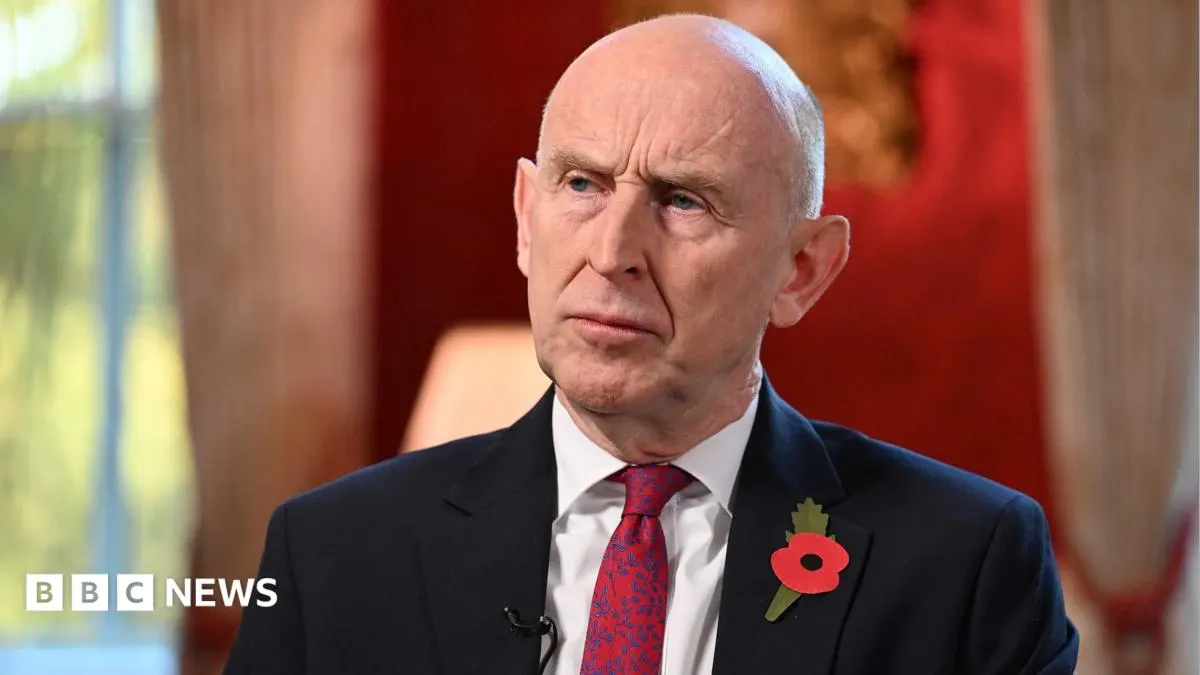
Chancellor John Healey has indicated that Labour may not equalise minimum wage rates for younger and older workers before the next election, despite its 2024 manifesto pledge to end age-based pay bands. He said the government would proceed “one step at a time” and would weigh the effects on jobs and wages, a shift likely to concern unions and some Labour supporters.
From 2026, the minimum wage for 18 to 20-year-olds is due to rise to £11.27 an hour, compared with £13.21 for workers over 20. Healey said Labour remains committed to equal pay but left the timing open, citing the aim of encouraging businesses to hire younger people and the need to help a million young people currently out of work. He also said planned reductions in some departments’ budgets would be carried into a 10-year plan and next year’s spending review; Conservative leader Kemi Badenoch called for welfare to bear most of any cuts.
In short
- Healey leaves timing of minimum wage equalisation uncertain.
- 2026 rates are £11.27 for 18 to 20-year-olds and £13.21 for over-20s.
- He says the government will weigh wages against job prospects.
Steelman: both sides, in good faith
The strongest fair case each way — we don't pick a winner.
The case for
Keeping a lower rate for younger workers during a gradual transition could help employers take a chance on people with limited experience, protect entry-level jobs and support efforts to reduce youth unemployment. The government can argue that weighing the effects on hiring and wages before setting a timetable is prudent, even while retaining equal pay as its eventual aim.
The case against
The manifesto pledged to end age-based pay bands, so leaving equalisation open risks breaking a clear commitment and prolonging lower pay for younger workers doing comparable work. Unions and supporters can argue that young people need fair wages to meet living costs, and that employers should not rely on age to justify paying them less.
Business Economy Elections Entertainment Government Music Politics