Culture news and discussion on TalkFuse.
Lawmakers Expected To Introduce Bill This Week For Federal Film And TV Incentive
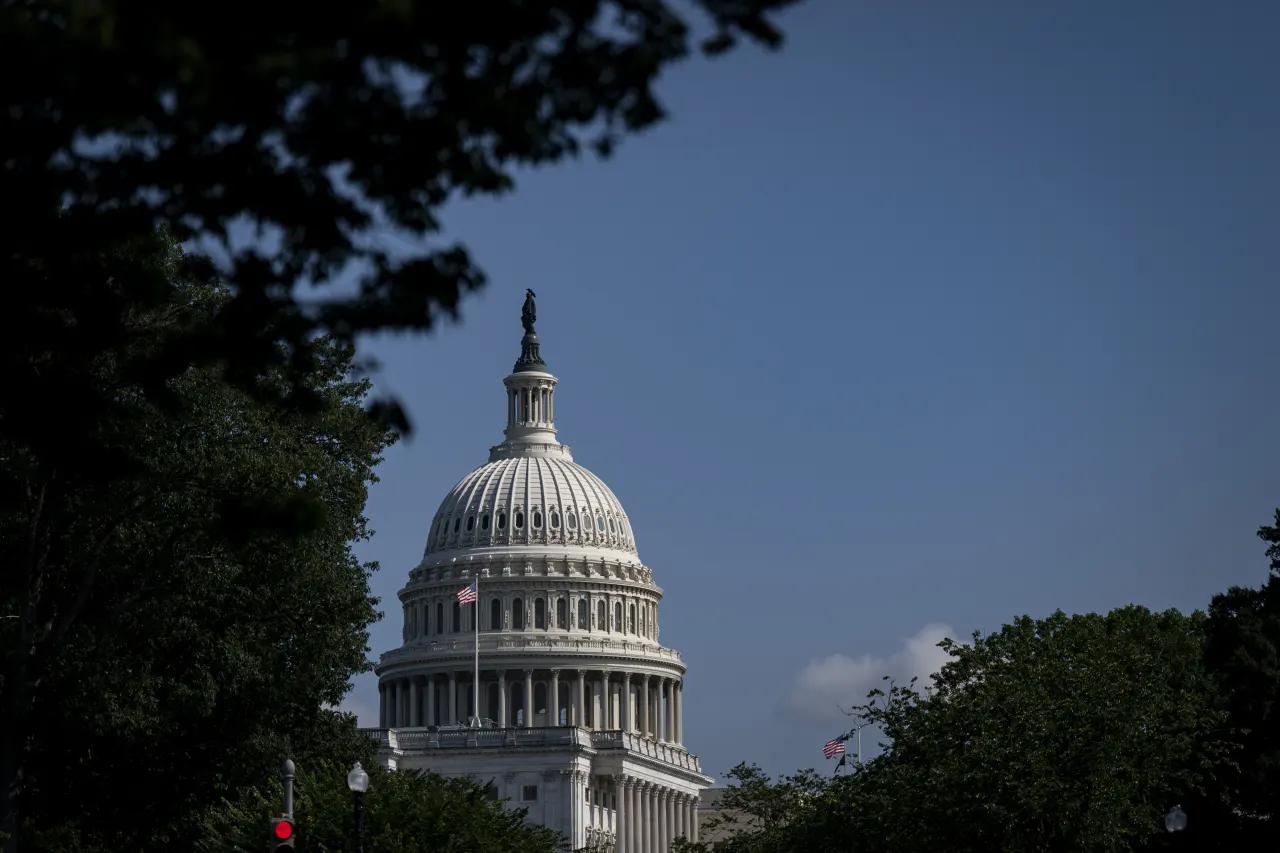
Bipartisan lawmakers are expected to introduce federal legislation this week to establish a film and television tax incentive, fulfilling President Trump's stated goal of luring productions back to the United States from abroad. The proposal has garnered support from key figures across both parties, including representatives and senators, and has been coordinated with the Motion Picture Association and industry stakeholders. The incentive addresses concerns that foreign locations offer more competitive conditions for film and television production.
The federal tax credit is anticipated to be set at a base rate of 20 per cent, with an additional 5–10 per cent available depending on factors such as whether production occurs in disaster zones, economically disadvantaged areas, or in independent productions. This would be stackable with existing state-level tax credits, such as those in California, substantially increasing competitiveness. Supporters argue the benefit extends beyond major stars to crew members and local service providers, whilst critics, including the Wall Street Journal editorial board, have characterised it as a subsidy to Hollywood. Given that Congress is currently recessed, the earliest realistic passage would occur during the post-midterm "lame duck" session.
In short
- Bipartisan bill for federal 20% film and TV tax credit expected to be introduced this week
- Additional 5–10% bonus for certain productions; stackable with state incentives
- Earliest passage expected after midterms during congressional recess period
Steelman: both sides, in good faith
The strongest fair case each way — we don't pick a winner.
The case for
A federal incentive could help keep productions in the United States when other countries offer more competitive terms, supporting jobs for crew and local businesses as well as the studios themselves. Supporters can argue that targeted extra credits for independent productions or areas needing investment would spread those benefits and strengthen a domestic industry with wider economic ties.
The case against
Critics can argue that a federal tax credit would use public revenue to subsidise a commercial industry, including large studios, without guaranteeing that productions or jobs would remain in the United States over the longer term. They may also question whether stacking the credit with state incentives is a good use of public funds when those funds could support other priorities.
Explained simply
Film and television productions can be made in many countries, and governments sometimes offer tax breaks to attract them. In the United States, individual states already provide incentives, but there is no comparable federal programme.
The proposed measure is being developed by lawmakers from both parties in consultation with the Motion Picture Association and others in the industry. Supporters say productions bring work for film crews and local businesses as well as actors; critics argue that public money should not subsidise the entertainment industry.
If created, a federal incentive could be added to state-level credits, changing the cost of making productions in different locations. The debate is about whether that public support would help keep production work in the United States and how its benefits and costs should be weighed.
Art Culture Entertainment Film Government Politics TV