Lawyers for Charlie Kirk’s accused assassin Tyler Robinson want cameras banned after report on taxpayer burden
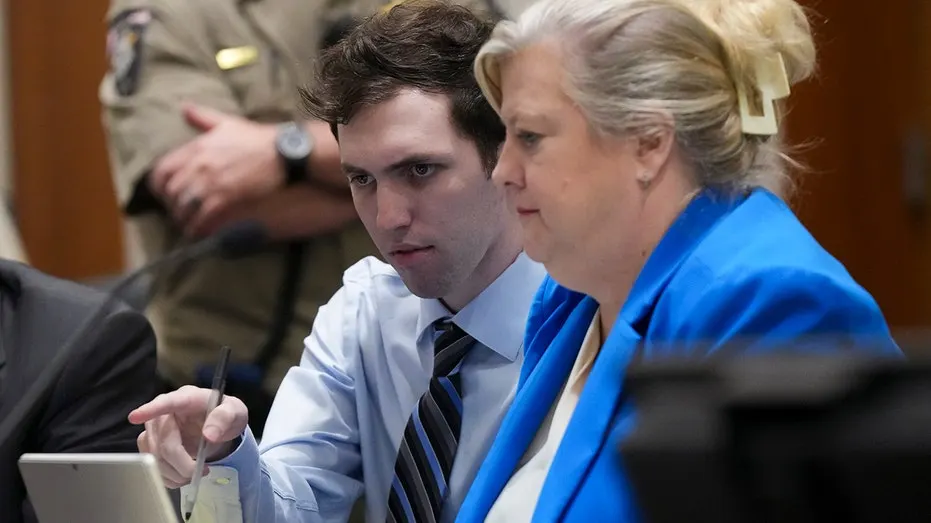
Tyler Robinson’s lawyers have asked a Utah judge to keep cameras out of an 23 October hearing, where a trial date may be set. They argue that live coverage of discussions about the time and resources needed for the case could focus public attention on defence costs and add to prejudicial perceptions, putting Robinson’s right to a fair trial at risk.
The hearing is not expected to include witness testimony, and the defence says recording scheduling discussions offers little additional public value. Utah County had paid $1.6 million to Robinson’s legal team by last month, exceeding a special $1 million state allocation; some experts estimate the defence could cost as much as $10 million. Robinson is accused of killing Charlie Kirk at a Utah Valley University event in September 2025 and could face the death penalty if convicted of aggravated murder; Judge Tony Graf Jr. has generally allowed cameras at proceedings.
- Defence seeks to exclude cameras from the 23 October hearing.
- Lawyers say coverage of defence costs could prejudice the case.
- The defence had received $1.6 million by last month.
New here? Start with this
Charlie Kirk was a conservative political activist who was killed at a university event in Utah in September 2025. Tyler Robinson has been charged with his murder and could face the death penalty if convicted of aggravated murder.
The case is being heard in Utah, where the judge has generally allowed cameras in court. Robinson’s defence is publicly funded: Utah County had paid his legal team $1.6 million by last month, above a special state allocation of $1 million, and estimates of the total cost vary.
The dispute over cameras reflects a balance between public access to court proceedings and protecting a defendant’s right to a fair trial. Robinson’s lawyers say coverage of discussions about the case’s schedule and resources could shape public perceptions before a trial.
Both sides, in good faith
The strongest fair case each way — we don't pick a winner.
The case for
Keeping cameras out could help protect Robinson’s right to a fair trial by limiting publicity that might frame the case around defence spending or create pressure before jurors are selected. Because the hearing concerns scheduling and resources rather than testimony, the public may gain little from live images, while a written account could still provide basic transparency.
The case against
Allowing cameras would support open justice by letting the public see how the court manages a case with major public costs and potentially the death penalty. The hearing’s procedural focus and lack of expected witness testimony may make the risk of prejudice limited, and public access could help sustain confidence that decisions are made transparently.