Entertainment news and discussion on TalkFuse.
League of Legends Spinoff Cancellation Leaves Players Fuming
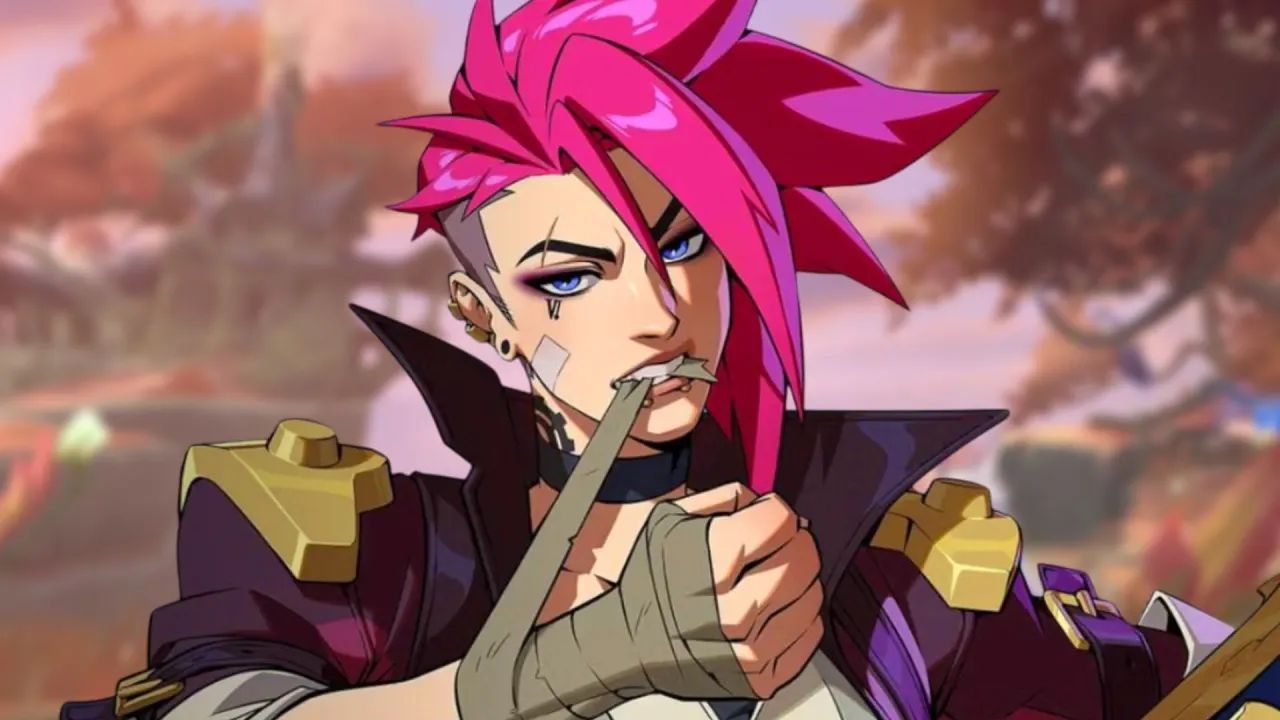
Riot Games has announced it is ending active development on 2XKO, its League of Legends-themed fighting game, just eight months after the title officially launched. The decision has prompted an angry backlash from players and fighting game community figures, who accuse Riot of abandoning the project prematurely and prioritising profit over long-term community building, with some warning it could damage investor confidence in the wider fighting game genre.
A final content patch will arrive in October, with active development ceasing in December, though servers will remain online and any in-game purchases made before 20 August will be refunded. Riot said it had seen "no meaningful, sustained change" in the game's trajectory towards sustainability despite updates, following earlier layoffs that cut half the development team in February. Critics have pointed to a lengthy development cycle since the game's 2019 reveal as Project L, a launch roster of only ten characters, costly monetisation including a roughly $100 skin bundle, poor marketing and an unclear title as contributing factors, drawing comparisons to the similarly troubled free-to-play fighter Multiversus.
In short
- Riot Games is ending active development on fighting game 2XKO after 8 months.
- Final patch lands in October; pre-20 August purchases will be refunded.
- Players and streamers slam Riot, citing prior layoffs and poor game support.
Steelman: both sides, in good faith
The strongest fair case each way — we don't pick a winner.
The case for
Riot Games faced a genuine product challenge: despite significant investment and post-launch updates, 2XKO failed to achieve sustainable growth despite efforts to improve it. Continuing to develop a game with declining player engagement would have meant misallocating resources away from other projects and initiatives with stronger prospects. In competitive publishing, difficult decisions about resource allocation are sometimes necessary to ensure a company's overall health and ability to invest elsewhere, particularly when the market has rendered a verdict. The refunding of purchases and maintenance of servers during the wind-down demonstrate an attempt to mitigate player harm whilst making a pragmatic business decision.
The case against
Riot's decision reflects insufficient long-term commitment to a passionate but niche community. The company made several avoidable strategic errors—a limited character roster at launch, unclear branding with a late name reveal, monetisation practices that alienated players, and inadequate marketing—yet appears unwilling to invest in remedying these mistakes. The fighting game community depends on publishers willing to build audiences patiently, and Riot's abandonment after only eight months sends a damaging signal that only blockbuster launches justify sustained support. A company with Riot's resources and reputation should be held to a higher standard of commitment to the communities it invites to invest time and money.
Explained simply
Riot Games' fighting game 2XKO is a spin-off of its hugely popular League of Legends franchise, letting players control familiar characters in one-on-one combat rather than the team-based strategy of the original. It launched in full only in late 2025, after several years of testing under the working title Project L, and is free to play, making money instead through optional cosmetic items and character bundles.
Riot is the games studio behind League of Legends, one of the world's most-played online games, and has used that success to branch into other genres, including a card game and an animated series. The fighting game genre itself has a small but devoted following, and 2XKO was seen as a major test of whether a big publisher could sustain a serious, ongoing entry in that space, rather than treating it as a side project.
The decision to scale back development so soon after launch matters because it raises questions about how much backing large companies are willing to give niche genres once a game fails to take off quickly, and about the wider financial pressures facing games studios even when their parent franchise is thriving.