Culture news and discussion on TalkFuse.
Leaked Iran report finds record public anger as regime focuses on holding power
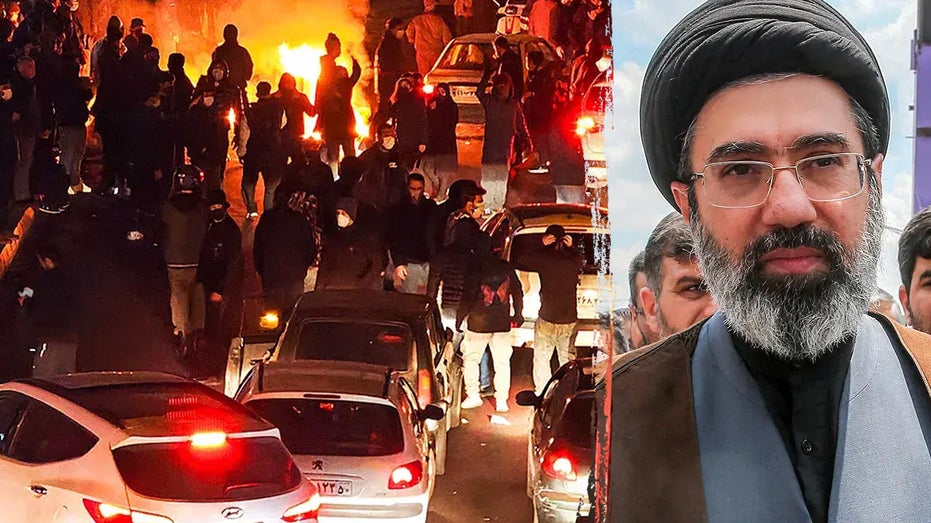
A leaked confidential report prepared for Iran's presidency has revealed record levels of public discontent with the ruling system, prompting questions in Washington about whether the Islamic Republic is more vulnerable to instability than previously assumed. The document, reportedly titled "What Iran Wants," suggests that dissatisfaction with the regime has reached unprecedented levels, with officials said to be increasingly focused on retaining power rather than addressing public grievances.
According to the report, only 9% of respondents supported maintaining the current system, while 53% called for fundamental or structural reforms and more than 19% favoured changing the political system altogether. Taken together, this suggests roughly three-quarters of those surveyed want significant change, a finding likely to fuel debate over the regime's stability amid heightened tensions with the United States and Israel.
In short
- Leaked report shows just 9% of Iranians back the current regime
- 53% want structural reforms; 19%+ want the system changed
- Findings raise questions over regime stability amid US-Iran tensions
Steelman: both sides, in good faith
The strongest fair case each way — we don't pick a winner.
The case for
The leaked nature of this document suggests authenticity, as the Iranian regime would scarcely voluntarily disclose findings so damaging to itself. The stark survey figures—with only 9% supporting the current system and roughly 75% seeking substantial change—align with persistent external reporting of widespread public discontent. The convergence of this internal assessment with other available evidence strengthens the case that regime vulnerability is genuine and materially relevant to policy considerations.
The case against
Without documented access to the survey's methodology, sample composition, question framing and fieldwork, the credibility of these figures cannot be properly evaluated. Leaked documents are vulnerable to fabrication, selective editing and misleading contextual presentation. A single internal report, however unfavourable it appears, should not serve as definitive evidence of national sentiment. The motivations of whoever leaked this remain unclear, and may have shaped what information was released and how it was framed.
Explained simply
Iran is governed by an Islamic Republic system where elected officials, including a president, share power with unelected religious and military leaders, with a supreme leader at the top. A confidential report prepared for Iran's presidency has now been leaked, revealing what officials were telling their government about how ordinary Iranians view this system.
The report's main finding is unprecedented public discontent with Iran's ruling system. Only 9% of those surveyed supported maintaining the current system, whilst 53% called for fundamental reforms and 19% wanted a different political system entirely—meaning roughly three-quarters wanted significant change.
This matters because it raises questions about whether Iran's government can maintain stability, particularly given heightened tensions with the United States and Israel. The leaked document suggests officials are increasingly focused on retaining power rather than addressing public grievances, a potential source of vulnerability.
Culture Food Government Middle East Politics World