World news and discussion on TalkFuse.
Leaked Records Show Deutsche Bank Courting Russian Oligarchs
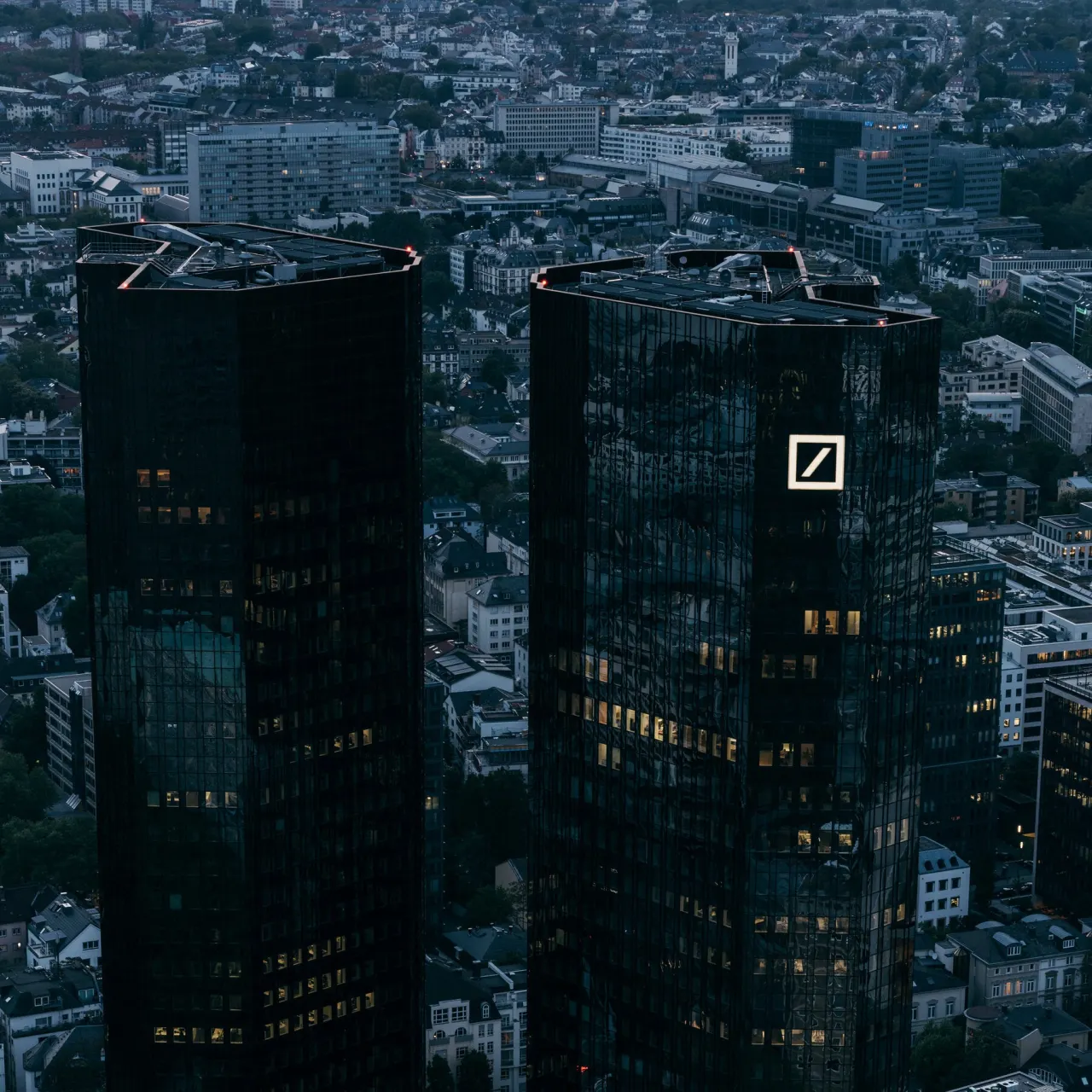
Leaked Deutsche Bank records describe how the bank cultivated Russian oligarch clients for years, despite internal warnings that the relationships could expose it to financial crime risks. The invasion of Ukraine and ensuing sanctions forced the bank to confront those ties, bringing renewed scrutiny to its past conduct and its initial reluctance to leave Russia.
The records include more than 15 million internal documents, such as emails and meeting minutes, obtained by journalists and analysed by a consortium of more than 200 reporters. They show the bank’s clients included billionaires Oleg Deripaska and Viktor Vekselberg, and that staff debated which clients to drop and whether to advise them to move money after sanctions were announced. Deutsche Bank said it acted lawfully and did not help clients evade sanctions; it left Russia after competitors announced their departures.
In short
- Leaked records reveal years of Deutsche Bank ties to Russian oligarchs.
- Internal warnings about financial crime risks did not end the relationships.
- The bank initially resisted leaving Russia after the invasion.
Steelman: both sides, in good faith
The strongest fair case each way — we don't pick a winner.
The case for
A bank can argue that serving wealthy international clients is legitimate when it follows the law, and that internal warnings are part of responsible risk management rather than proof of wrongdoing. Deutsche Bank says it acted lawfully and did not help clients evade sanctions; deciding how to manage existing relationships and its Russia business also involved legal, commercial and operational considerations.
The case against
A bank has a responsibility to take credible financial-crime risks seriously, especially when cultivating clients whose wealth and political connections may invite scrutiny. The reported discussions about whether to drop clients or advise them on moving money after sanctions, alongside the bank’s delayed departure from Russia, can reasonably raise questions about whether commercial interests were given too much weight.
Explained simply
Deutsche Bank is one of Germany’s largest banks, serving companies and wealthy individuals around the world. Russian oligarchs are businesspeople who amassed great wealth and influence, often through industries such as energy and metals; some have faced sanctions from governments over Russia’s actions.
Banks must check who their clients are and where their money comes from, and they must follow sanctions that restrict dealings with named people or businesses. The records described in the report are a large collection of internal documents examined by an international group of journalists.
The bank’s past relationships with Russian clients matter because they raise questions about how it handled financial crime risks and sanctions. Deutsche Bank says it acted lawfully and did not help clients evade sanctions.
Europe Geopolitics Politics World