Politics news and discussion on TalkFuse.
Leavitt rips blue state’s explosive noncitizen voter-roll admission: ‘Not a coincidence’
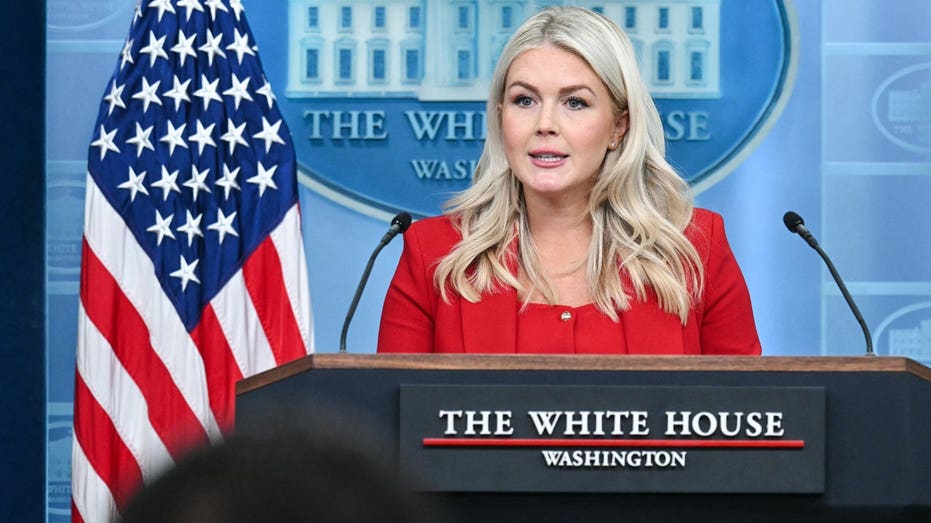
White House press secretary Karoline Leavitt criticised New Jersey Governor Mikie Sherrill after the state said that 6,600 non-citizens had been registered to vote because of a software error. Leavitt argued that the disclosure supported the Trump administration’s election-integrity concerns and questioned its timing, while the report said the company linked to identity-security services denied wrongdoing.
Sherrill announced the error on Tuesday, saying it occurred through New Jersey’s Motor Vehicle System; the article did not establish how many of those registered cast ballots. The disclosure came after President Trump renewed support for the SAVE America Act, which would require proof of citizenship and photo identification for federal voter registration, and after DHS said it had instructed states to remove ineligible voters.
In short
- New Jersey said a software error registered 6,600 non-citizens to vote.
- Leavitt used the disclosure to support stricter voter-registration rules.
- The report did not establish how many people voted.
Steelman: both sides, in good faith
The strongest fair case each way — we don't pick a winner.
The case for
The discovery of 6,600 non-citizens on New Jersey's voter rolls reveals a tangible vulnerability in America's election systems that demands systematic reform. If a software error can register thousands of ineligible voters in one state, this weakness likely exists elsewhere, and relying on states to catch such errors is insufficient. Implementing citizenship verification requirements at federal registration would close this loophole and strengthen public confidence in elections.
The case against
This incident demonstrates that election safeguards function properly: New Jersey's authorities identified and are correcting an administrative error with no evidence that any ineligible voters cast ballots. Rather than overhaul registration systems nationwide, the appropriate response is fixing the specific technical failure. Implementing citizenship verification requirements risks creating burdens on eligible voters and overlooks the existing strength of state and local election administration.
Explained simply
The United States assigns responsibility for voter registration to individual states, though federal law also sets some requirements. Voter registration systems occasionally contain errors that allow ineligible people to register, and such errors are typically corrected when discovered. In recent years, voter eligibility and election security have become contested political issues, with various groups voicing concerns about ballot access and voting eligibility.
New Jersey Governor Mikie Sherrill announced that a software error in the state's Motor Vehicle System registered approximately 6,600 non-citizens as voters. The state identified the error and disclosed it publicly. Whilst registration errors occur from time to time, this disclosure has attracted attention because of the current focus on voter eligibility nationally.
The Trump administration has made voter eligibility and election integrity priorities, proposing federal legislation that would require citizenship verification for voter registration and directing states to remove ineligible voters. White House press secretary Karoline Leavitt has responded to the disclosure by asserting that it supports the administration's concerns about election security. The situation reflects broader disagreement about how strictly voter eligibility should be verified and who should oversee election administration.