Entertainment news and discussion on TalkFuse.
Led Zeppelin, 1970, and the little Welsh cottage that led to their best-selling album: “You could concentrate totally”
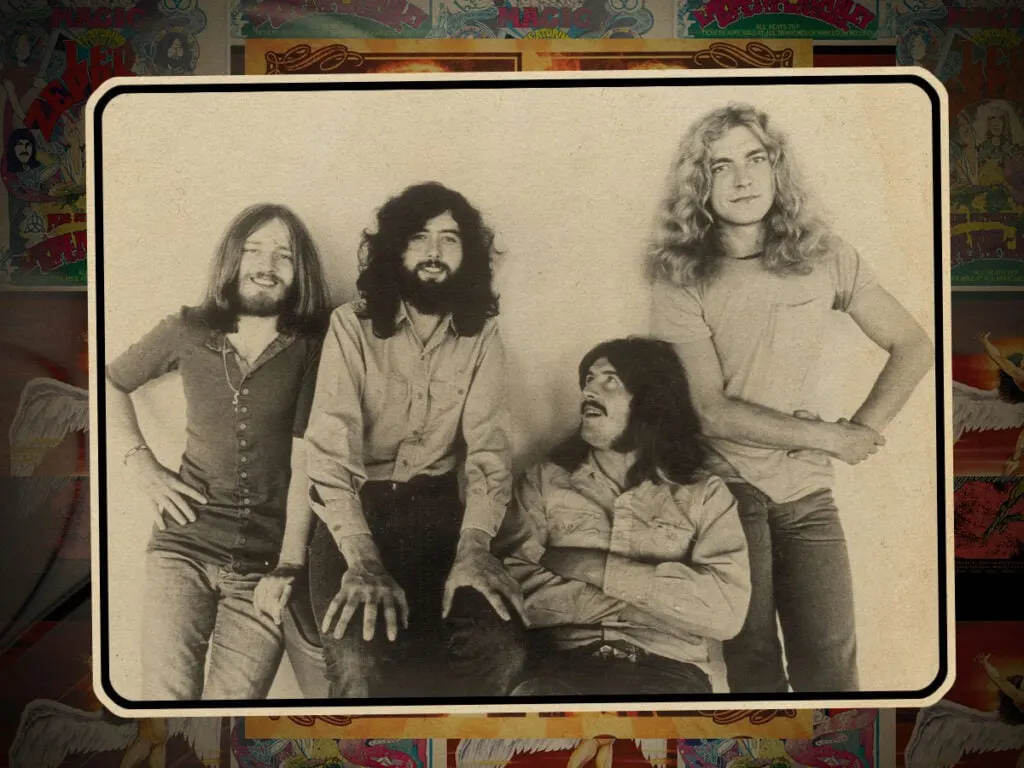
In 1970, Led Zeppelin left the usual recording destinations for the remote Bron-Yr-Aur cottage in Wales, where Jimmy Page and Robert Plant worked on the more folk-influenced Led Zeppelin III. The change divided some fans, but the article argues that the rural retreat helped the band broaden its sound and laid groundwork for their next album.
For Led Zeppelin IV, Page proposed recording at Headley Grange in Hampshire with a mobile recording truck, so the band could live and work in the same place. The article links that approach to the album’s blend of rock and folk, including “Stairway to Heaven”, whose words Plant recalled writing while Page played guitar beside a fire. Led Zeppelin IV followed about six months after Led Zeppelin III and became the band’s best-selling record.
In short
- Bron-Yr-Aur helped shape Led Zeppelin’s move towards folk.
- Headley Grange gave the band a place to live and record.
- Led Zeppelin IV followed six months later and became their best-selling album.
Steelman: both sides, in good faith
The strongest fair case each way — we don't pick a winner.
The case for
Recording in remote, informal settings gave the band room to experiment away from studio routines and outside expectations. The quieter Welsh retreat helped Page and Plant explore folk influences, while living and working together at Headley Grange supported the collaborative mix of styles that shaped Led Zeppelin IV.
The case against
A change of setting can inspire musicians, but it is difficult to establish that the cottage or house was decisive in the albums’ success. The band’s songwriting, performance, production and accumulated experience may better explain the musical shift and the later record’s popularity; the article’s account risks giving place more credit than the evidence can show.