World news and discussion on TalkFuse.
Ledger Confirms Tampered Bitcoin Wallets in Berlin as Spy Implant Probe Spreads Beyond Asia
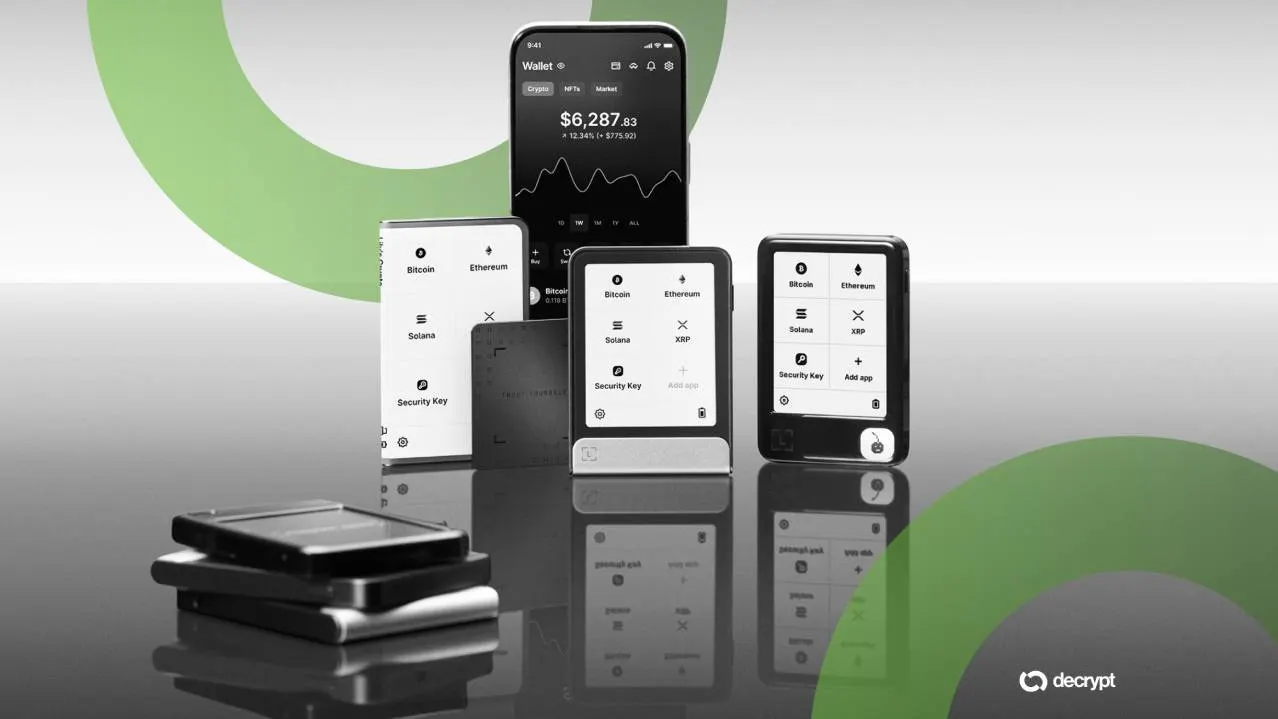
Ledger has confirmed tampered hardware wallets in Berlin and is investigating reports of two suspected devices in Dubai, extending a probe it had previously described as limited to Southeast Asia. The findings point to the same incident across locations: physical modifications that can capture users’ recovery phrases during setup, potentially allowing attackers to take funds.
The investigation began after customers who bought devices from reseller CryptoBilis reported losses; on-chain investigators traced a suspected theft of about $87 million from hundreds of wallets across Ethereum, Tron and Bitcoin. Ledger says it has found no flaw in its secure chip or operating system, and no confirmed case involving a device bought directly from ledger.com. It advises anyone concerned to stop using the device and move funds to a new wallet with a new recovery phrase; its Donjon team is inspecting suspected units, and temporary physical inspections are available at its factory in France.
In short
- Tampered Ledger wallets confirmed in Berlin; two Dubai cases are under investigation.
- The suspected scheme can capture recovery phrases and expose wallet funds.
- Ledger advises affected users to move funds to a new wallet with a new phrase.
Explained simply
Hardware wallets are devices designed to keep the secret recovery phrase that controls access to cryptocurrency offline. Anyone who obtains that phrase may be able to take the funds, so the device and its setup process need to be trustworthy.
Ledger makes hardware wallets, while CryptoBilis is a reseller from which some affected customers bought devices. The recovery phrase is a set of words used to restore a wallet; it should be kept private and never shared.
The reported losses involve cryptocurrency held on several networks, including Bitcoin, Ethereum and Tron. The case matters because physical tampering could put users at risk even if a wallet’s software and secure chip have no known flaw.