Culture news and discussion on TalkFuse.
LEE CARTER: Why I believe collapsing trust, not ideology, is reshaping American politics
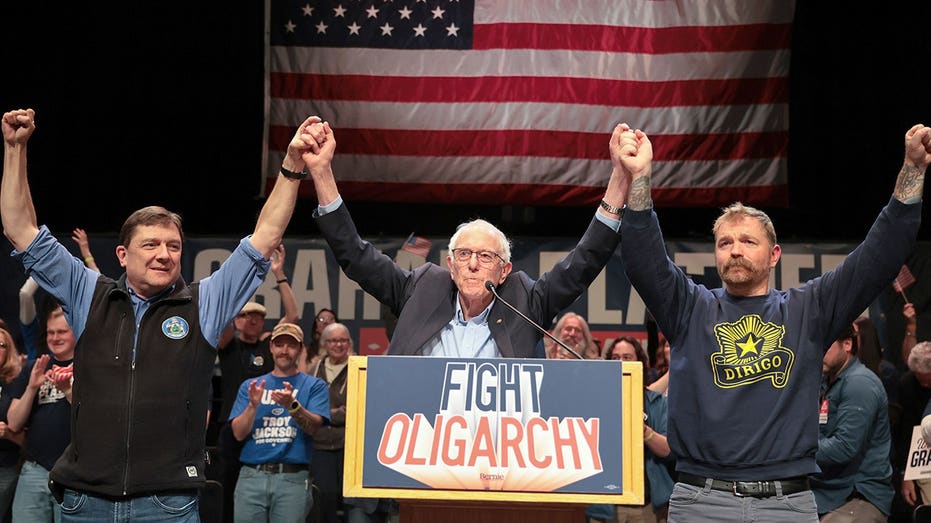
In this opinion piece for Fox News, pollster Lee Carter argues that recent upset victories by progressive and Democratic Socialist candidates, such as New York Mayor Zohran Mamdani, do not indicate that America is shifting significantly leftward ideologically. Instead, she contends these results reflect a broader collapse of public trust in political and institutional establishments, with voters gravitating towards outsider candidates regardless of their specific policy positions.
Carter cites several examples to support her argument, including Mamdani's rise in New York, Graham Platner's rapid ascent in Maine before his campaign faltered, and Troy Jackson, a self-described "pickup truck progressive" now favoured by Maine Democrats. She pushes back against the conventional interpretation that such wins signal growing enthusiasm for left-wing policies, framing them instead as part of a wider anti-establishment mood shaping American politics.
In short
- Fox News opinion piece by pollster Lee Carter
- Argues progressive wins reflect distrust in establishment, not leftward shift
- Cites Mamdani, Platner and Jackson as examples of anti-establishment voting
Steelman: both sides, in good faith
The strongest fair case each way — we don't pick a winner.
The case for
These electoral victories may genuinely reflect a leftward ideological shift rather than mere anti-establishment sentiment. Progressive candidates are succeeding specifically in Democratic contests where voters choose between establishment and left-wing alternatives, and if trust collapse alone motivated voters, similar insurgent movements should appear equally across the political spectrum. The specific policy platforms these candidates champion—housing reform, economic redistribution, healthcare expansion—appear to resonate meaningfully with voters in ways suggesting genuine ideological alignment.
The case against
These victories more plausibly reflect broader institutional distrust than ideological realignment. Outsider candidates succeed by positioning themselves against political establishments regardless of ideology, and voters increasingly reward candidates who promise to disrupt existing power structures rather than those offering specific policy solutions. The pattern of diverse outsiders winning across different contexts suggests voters are motivated primarily by anti-establishment sentiment and dissatisfaction with institutional performance, with the appeal of authenticity and disruption mattering more than the particular policies proposed.
Explained simply
Recent American elections have brought several progressive and socialist-leaning candidates to prominence, including figures like New York Mayor Zohran Mamdani and Maine Democrat Troy Jackson. These victories have prompted discussion about whether American voters are becoming more ideologically left-wing.
Pollster Lee Carter argues that the real story is different. Rather than voters shifting left ideologically, she believes these candidates are winning because they present themselves as outsiders who challenge established political institutions and structures.
This distinction is significant because it affects how we understand American politics. If institutional distrust rather than left-wing ideology is the main driver, it suggests voters may be motivated primarily by opposition to established powers rather than commitment to specific policies.