Lego shut down a Bionicle fangame 8 years in the making—1 year later, its developers are back with something legally distinct and arguably cooler
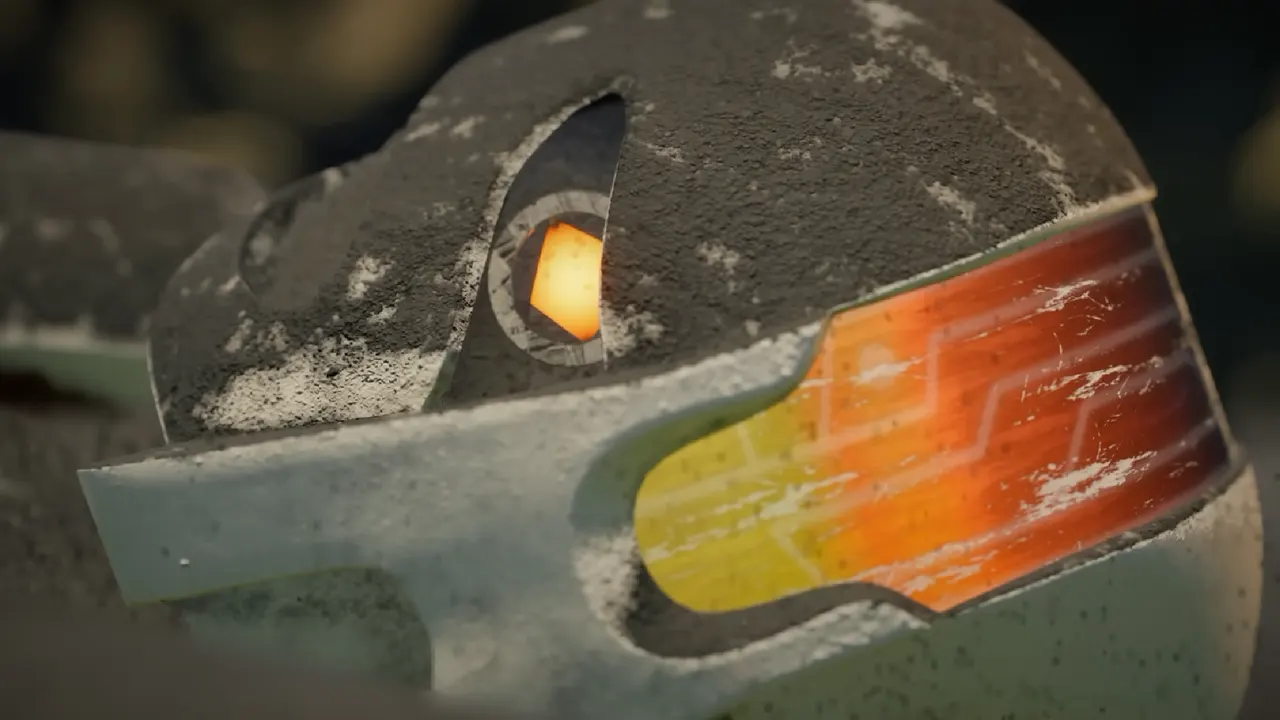
Lego reportedly forced the closure of a fan-made Bionicle game after eight years of development, but the team has returned a year later with a new project designed to avoid using Lego’s intellectual property. The case highlights how fan developers can lose long-running projects to trademark and copyright enforcement, while also showing how their work can be adapted into an original game.
The new title retains elements that made the Bionicle-inspired project appealing, including a mechanical fantasy aesthetic and action-focused gameplay, while using legally distinct names, designs and lore. Its developers have used the setback to build a standalone concept rather than abandon the work entirely, and the article suggests the result may be more ambitious than the original fan game.
- Lego ended an eight-year Bionicle fan-game project.
- Its creators returned a year later with an original alternative.
- The new game keeps the aesthetic while avoiding Lego’s IP.
New here? Start with this
Bionicle is a Lego toy and story franchise built around robot-like heroes, fictional worlds and detailed lore. Fans have long made their own games and other projects inspired by it, often without charging money.
Those projects can still raise copyright and trademark issues: copyright protects creative work such as characters and stories, while trademarks protect names and brands. A fan project may have to close if its use of a franchise’s material conflicts with the owner’s rights.
Some creators respond by reworking a fan project into an original one, changing its names, designs and world while keeping broader ideas such as a mechanical fantasy setting or action gameplay. That can let a team continue developing its work, though the new project stands on its own rather than being part of the franchise.
Both sides, in good faith
The strongest fair case each way — we don't pick a winner.
The case for
Large companies like Lego have a legal obligation to defend their intellectual property actively or risk losing their rights altogether. Trademarks and copyrights require enforcement; failing to act against unauthorised uses—however well-intentioned—weakens their position and opens the door to commercial infringement. Bionicle is Lego's property, developed at Lego's expense, and the company has both the right and responsibility to control how it is used. Allowing an extensive fan game could undermine official Lego gaming projects and establish a precedent that erodes their commercial control.
The case against
The developers invested eight years without compensation, creating something from genuine passion for the franchise rather than profit. Lego was not producing a competing Bionicle game at the time, so there was no direct market harm. A non-commercial fan project could sustain community interest in the intellectual property. Companies could employ more proportionate responses—licensing agreements, formal permissions, or transition periods—rather than blanket prohibition. Enforcement of this kind discourages the creative contributions that often keep franchises culturally vibrant and beloved.