Culture news and discussion on TalkFuse.
Leonardo DiCaprio, Jeff Bezos and Lauren Sánchez Bezos Set $200 Million Fund to Recover Endangered Species
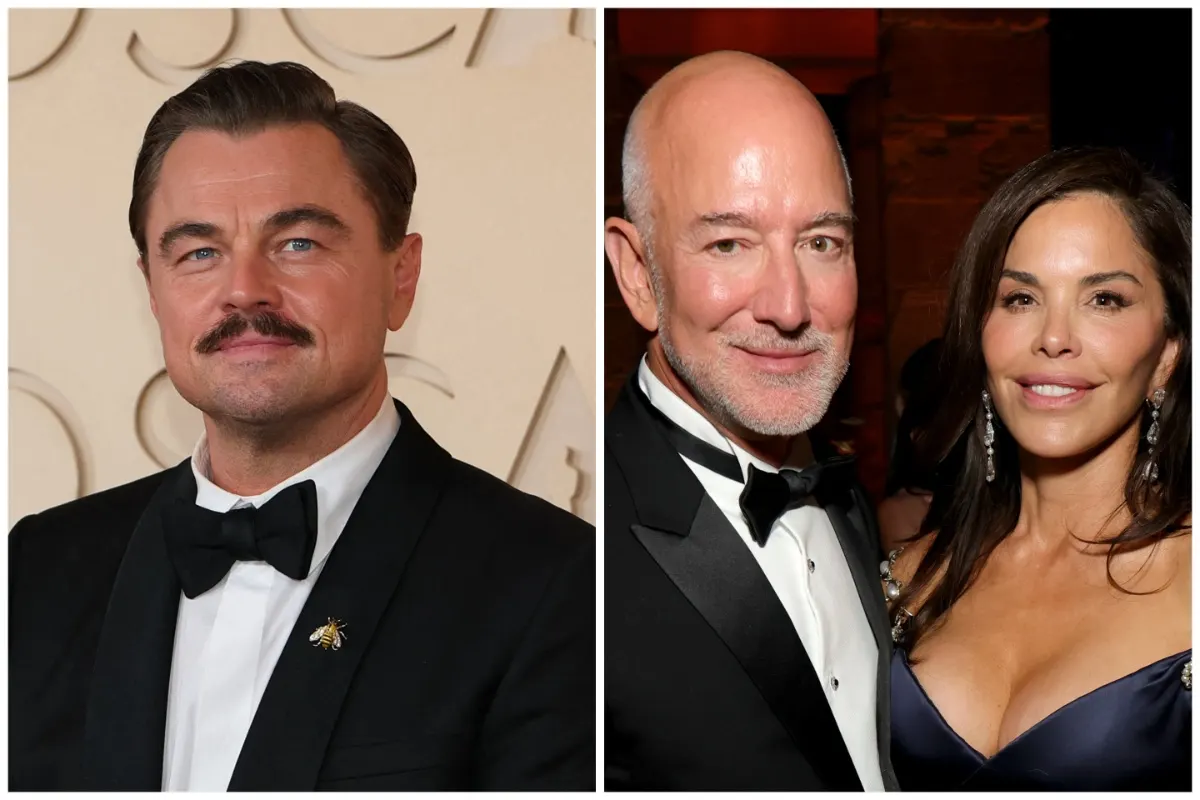
Leonardo DiCaprio's conservation organisation Re:wild and the Bezos Earth Fund have launched the Phoenix Species Project, a $200 million (£157 million) initiative aimed at recovering 100 species facing imminent extinction. The scheme, described as the largest single philanthropic effort dedicated to recovering critically endangered species, spans mammals, amphibians, reptiles, birds, fish, invertebrates and plants across 30 countries, and will be carried out in partnership with Indigenous peoples, local communities, scientists and conservationists.
The Bezos Earth Fund, whose involvement DiCaprio secured through his friendship with Jeff Bezos and Lauren Sánchez Bezos, is committing $100 million, with Re:wild matching this through support from DiCaprio, Age of Union and the Todd Graves Family Foundation. More than 100 local and international partners will lead recovery work tailored to each species and location, moving beyond short-term grants towards sustained investment. The project supports governments working towards Target 4 of the CBD Kunming-Montreal Global Biodiversity Framework, and is backed by the Reverse the Red Action Partnership and the IUCN Species Survival Commission as knowledge partner.
In short
- DiCaprio and Bezos Earth Fund launch $200m Phoenix Species Project
- Aims to recover 100 species from extinction across 30 countries
- Bezos Earth Fund and Re:wild each contribute $100 million
Steelman: both sides, in good faith
The strongest fair case each way — we don't pick a winner.
The case for
This initiative addresses an urgent funding gap in species conservation, where extinction rates are accelerating. The structured approach—partnering with Indigenous peoples and local communities, committing to sustained investment beyond short-term grants, and aligning with international biodiversity targets—demonstrates thoughtful conservation strategy. With government funding insufficient, this philanthropic contribution is timely and substantial.
The case against
Whilst this funding is valuable, it illustrates a systemic problem: environmental protection depends heavily on billionaire discretion rather than government commitment. Conservationists reasonably debate whether species-by-species recovery is the most effective use of resources compared to addressing root causes like habitat destruction and climate change. Additionally, conservation agendas shaped by philanthropic interests rather than democratic accountability raise questions about whose priorities guide protection efforts.
Explained simply
Many species are at risk of extinction because of pressures such as habitat loss, pollution, climate change and hunting. Conservation work can include protecting habitats, reducing these threats and helping populations recover, with approaches varying by species and place.
Re:wild is a conservation organisation co-founded by actor Leonardo DiCaprio, and the Bezos Earth Fund is a philanthropic fund established by Jeff Bezos. Their project involves local communities, Indigenous peoples, scientists and conservation groups, who are expected to lead work suited to the species and areas involved.
The effort connects with a global biodiversity agreement in which governments have pledged to prevent species extinction and support recovery. Its focus on 100 species across many kinds of plants and animals reflects the range of conservation challenges, while the involvement of local partners places much of the work where those species live.