Business news and discussion on TalkFuse.
Leonardo DiCaprio’s Appian Way Boards ‘Freeing Flipper’ Ahead Of TIFF Market, Story Of Dolphin Trainer Turned Activist Ric O’Barry
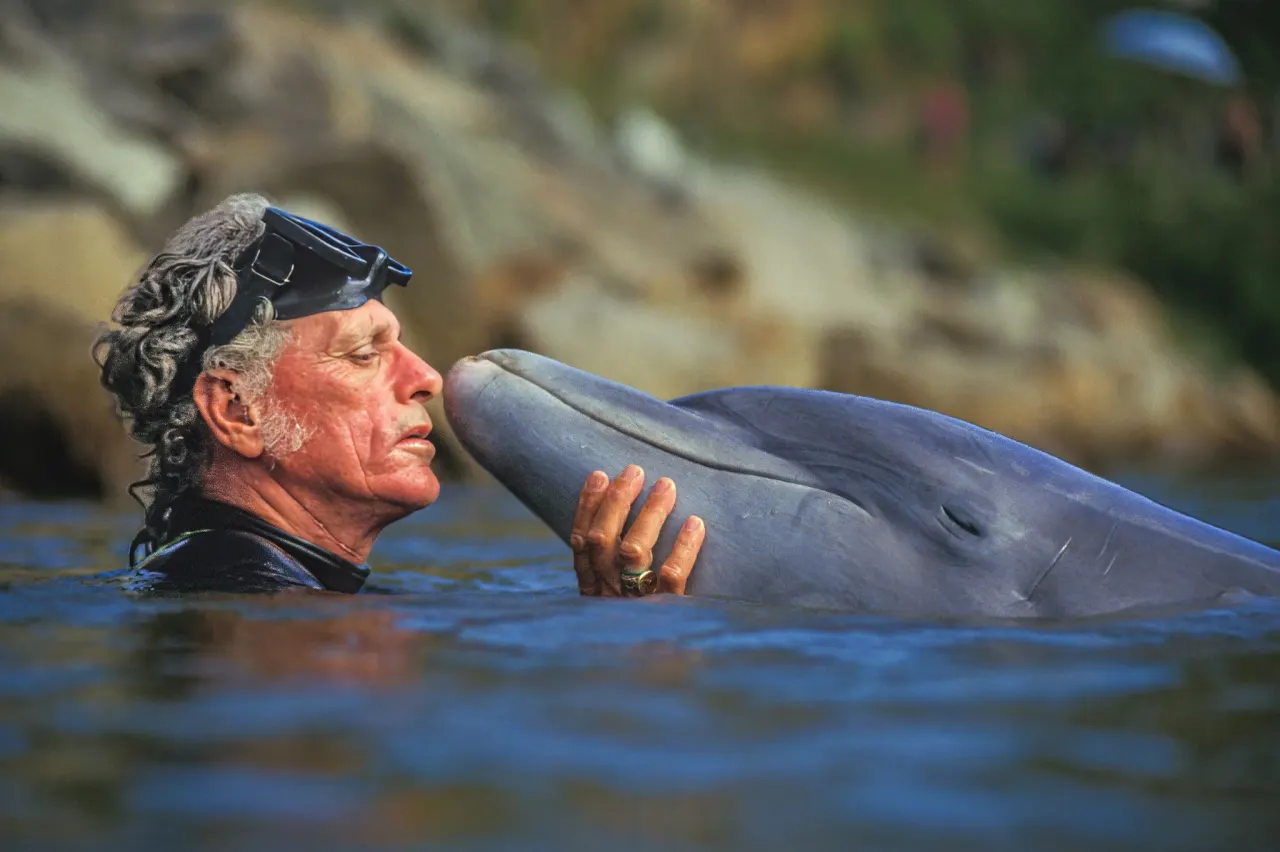
Leonardo DiCaprio’s production company Appian Way has joined as an executive producer of Freeing Flipper, a documentary about Ric O’Barry, the former Flipper dolphin trainer who became a leading campaigner against dolphin captivity. The film will be offered to international buyers at the Toronto International Film Festival market, bringing renewed attention to O’Barry’s decades-long activism and the treatment of captive dolphins.
Directed by Barney Douglas, the documentary includes contributions from Fisher Stevens, Maisie Williams, Stephen Stills, Lincoln O’Barry and Jane Goodall in one of her final interviews. O’Barry says the death of a dolphin he trained in the 1960s transformed his views, leading him to found the Dolphin Project and help expose dolphin hunts and captivity; his work was previously central to the 2009 Oscar-winning documentary The Cove. The film also features underwater footage by Pete Zuccarini, with sound design by Dan Weinberg and music by Felix White.
In short
- DiCaprio’s Appian Way backs Ric O’Barry dolphin-activism documentary.
- Freeing Flipper will launch international sales at TIFF.
- The film revisits O’Barry’s long campaign against dolphin captivity.
Steelman: both sides, in good faith
The strongest fair case each way — we don't pick a winner.
The case for
Dolphins possess remarkable intelligence, emotional depth, and complex social bonds refined over millions of years in the ocean; confining them in tanks demonstrably causes physical deterioration and psychological suffering, with captive dolphins exhibiting stress behaviours and shortened lifespans. Since educational objectives and scientific research can now be achieved through documentaries, virtual experiences, and wild population studies, perpetuating captivity for these purposes becomes ethically unjustifiable.
The case against
Marine facilities, when properly regulated, serve essential functions in education and conservation, fostering emotional connections to ocean life that drive lifelong environmental commitment and funding for broader marine protection; many people would otherwise never encounter dolphins or develop the personal investment needed for conservation action. These facilities also conduct rescue operations and rehabilitation for injured animals, contribute to scientific research, and house individuals who could not survive release into the wild, making them a pragmatic necessity despite the ideal of freedom.
Explained simply
Ric O’Barry trained dolphins for the television series Flipper in the 1960s. He later said that the death of a dolphin he had worked with changed his views on keeping dolphins in captivity, and he became a campaigner against the practice.
O’Barry founded the Dolphin Project and has worked to draw attention to dolphin hunts and the conditions faced by captive dolphins. His activism was also featured in The Cove, a documentary released in 2009.
Dolphins are intelligent, social animals, and debate over keeping them in tanks centres on their welfare and whether captivity can meet their needs. O’Barry’s story connects that debate with the wider use of wild animals for entertainment.