Entertainment news and discussion on TalkFuse.
Les Paul and Mary Ford: the husband-and-wife duo who helped invent the modern recording studio
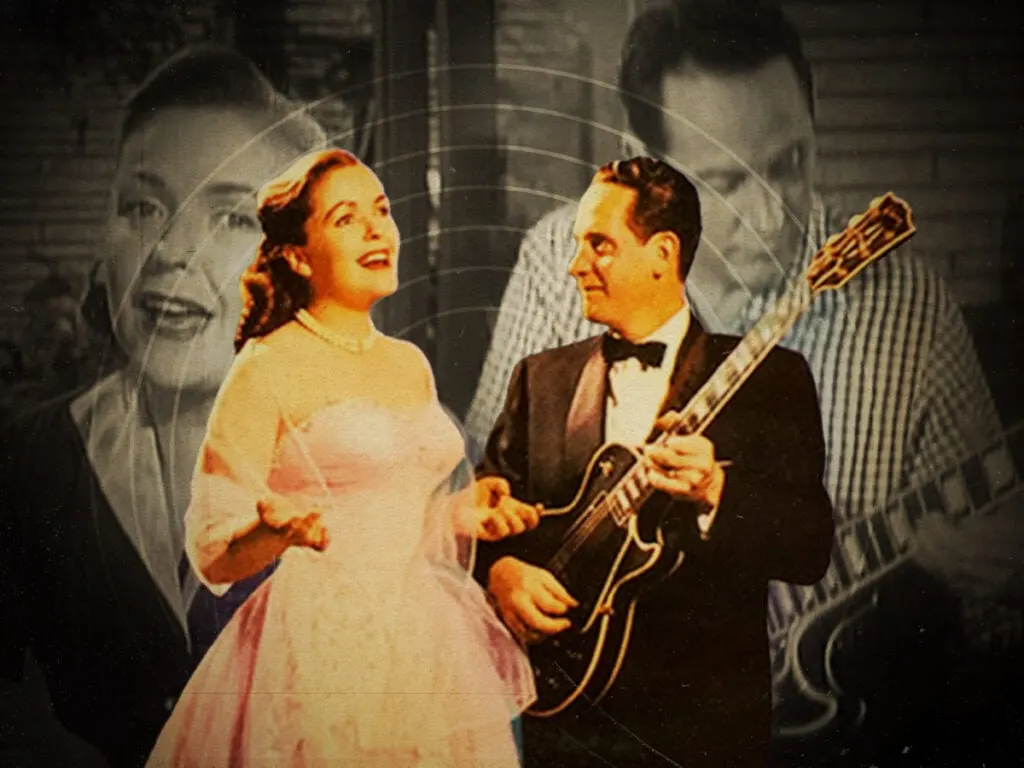
Les Paul’s experiments in a Hollywood garage helped shape the modern recording studio and the sound he made with singer Mary Ford. His work as a guitarist and inventor, alongside new recording technology championed by Bing Crosby, helped pave the way for multitrack recording.
Paul began building guitar prototypes around 1940, including “The Log”, an early solid-body electric guitar; the Gibson Les Paul went on sale 12 years later. After Crosby backed Paul’s recordings and encouraged him to develop his studio, Crosby hired engineer Jack Mullin to work with Ampex on tape recorders. In 1947, Crosby paid $50,000 towards 20 machines, and gave one of the first production Ampex 200A recorders to Paul.
In short
- Les Paul’s Hollywood garage became an early recording studio.
- Bing Crosby backed the development of Ampex tape recorders.
- A donated Ampex 200A helped Paul pursue multitrack recording.
Explained simply
Les Paul was an American guitarist and inventor who began experimenting with electric guitars and recording equipment in the 1940s. His early solid-body guitar prototype, known as “The Log”, came before the Gibson Les Paul model, which went on sale in 1952.
Paul worked with singer Mary Ford, his wife and musical partner, to create recordings using layered guitar and vocal parts. These experiments helped show how recording could be used to build up a performance in a studio.
Tape recording also developed through the efforts of engineer Jack Mullin and the Ampex company, with support from singer Bing Crosby. Together, these developments helped establish multitrack recording, which lets musicians record and combine separate parts.