Science news and discussion on TalkFuse.
‘Let down on all sides’: Pacific island nations express despair over COP31 failure
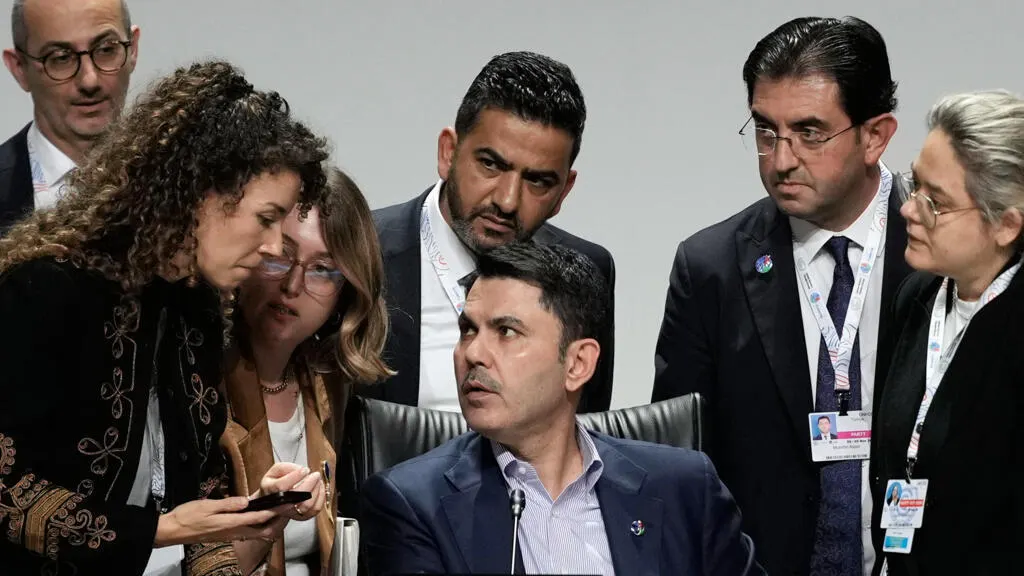
COP31 in Antalya ended without a final agreement, the first time since 2009 that a UN climate conference has failed to reach one. Pacific island nations, highly exposed to rising sea levels, voiced despair at countries’ inability to act collectively, as the breakdown deepened doubts about the COP process.
Negotiations collapsed after the EU and other countries rejected a proposed deal that omitted fossil fuels, following pressure from Saudi Arabia and other oil-producing states. Australia’s climate minister and COP31 negotiations president Chris Bowen faced calls to resign; he cited entrenched divisions and a difficult geopolitical climate. The talks, attended by more than 190 countries, ran into Sunday overtime, and more than 92,000 people had registered.
In short
- COP31 ended without a final agreement.
- Disagreement over fossil fuels blocked a deal.
- Pacific island nations said they felt let down.
Steelman: both sides, in good faith
The strongest fair case each way — we don't pick a winner.
The case for
A final agreement that omitted fossil fuels could have offered the appearance of consensus without addressing a central driver of climate change. Rejecting it may be defended as necessary to preserve the credibility of the process and press governments towards commitments that match the scale of the problem, particularly for island nations facing immediate risks. The breakdown also reflects deep divisions among nearly 200 countries, rather than necessarily being within one conference president’s power to resolve.
The case against
Even an imperfect agreement could have maintained collective momentum, provided a basis for further negotiations and signalled that countries remain committed to acting together. Critics may argue that rejecting a deal without securing a workable alternative left vulnerable nations with no shared outcome, while worsening confidence in the COP process. The scale of the impasse also supports scrutiny of the conference leadership and whether it did enough to bridge divisions.
Explained simply
UN climate conferences, known as COPs, bring countries together each year to negotiate shared action on climate change. The talks cover how to cut emissions, including whether and how to move away from fossil fuels, and how to support countries facing climate impacts.
Pacific island nations are among the places most exposed to rising seas, which threaten homes, land and infrastructure. They take part in the negotiations alongside larger countries and groups such as the European Union, whose members may coordinate their positions.
COP decisions generally rely on agreement among participating countries, so deep differences can make it difficult to reach a shared outcome. The conferences are a key forum for international climate cooperation, and their ability to produce agreements affects how countries coordinate their response.
Climate Geopolitics Politics Science World