Let’s look back on the best moments (read: crashes) from the World Humanoid Robot Games
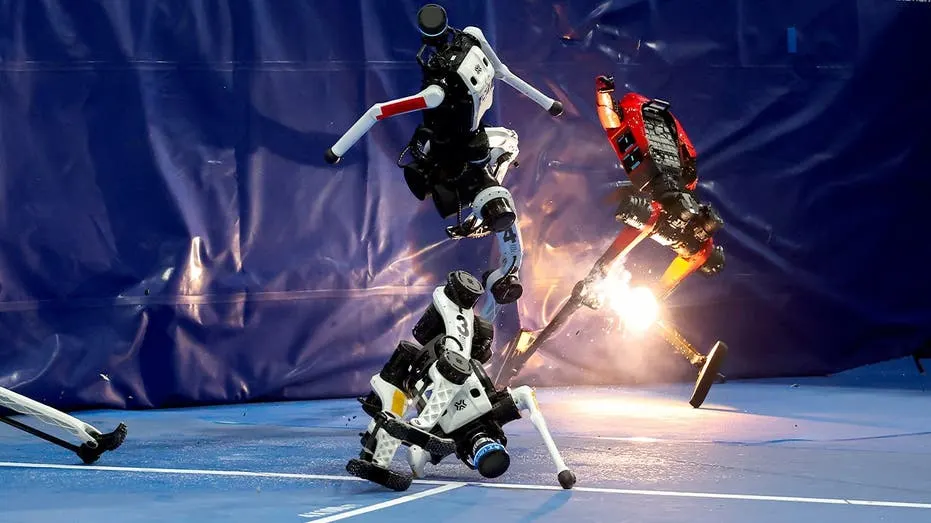
The article looks back at videos from the World Humanoid Robot Games, focusing on humorous failures rather than the competition’s technological achievements. It argues that crashes and malfunctions made the event especially popular online, while also highlighting the limits of current humanoid-robot control systems.
Examples include sprinting robots colliding with crash pads because they appeared unable to stop effectively, then moving erratically after impact. The piece also mentions a robot struggling during a weightlifting event and contrasts these mishaps with reports of a Chinese robot setting a human 100-metre record, presenting the games as both a robotics showcase and a source of viral entertainment.
- Robot crashes became the World Humanoid Robot Games’ viral highlight.
- The article questions robots’ ability to brake and recover safely.
- Failures overshadowed some of the event’s technical achievements.
New here? Start with this
Humanoid robots are machines built with a body shape and limbs similar to a person’s, so they can be designed for tasks that involve moving through spaces made for people. Their movements depend on sensors and control systems that help them balance, respond to obstacles and carry out instructions.
The World Humanoid Robot Games brings robots together to compete in sporting events, including running and weightlifting. The machines are developed by research teams and companies, and their performance can show how well current designs handle movement under pressure.
The games matter as a public showcase of robotics, but they also reveal practical limits: a robot may struggle to stop, keep its balance or recover from a mistake. Videos of such failures can attract attention online, alongside reports of impressive performances, and help shape how people understand the technology.
Both sides, in good faith
The strongest fair case each way — we don't pick a winner.
The case for
Reporting on the robots' actual performance failures, including malfunctions and crashes, provides honest insight into current technological limitations. Public engagement with this content, even when humorous, drives genuine interest in robotics and makes the field accessible to broader audiences than traditional technical coverage alone would reach.
The case against
Disproportionately focusing on failures and crashes trivialises the significant engineering achievements and effort of the research teams. Such coverage risks presenting serious robotics research as mere entertainment rather than sophisticated scientific work, potentially undermining public and institutional support for the field.