Lettuce explain: Cyclospora outbreaks test Trump administration messaging
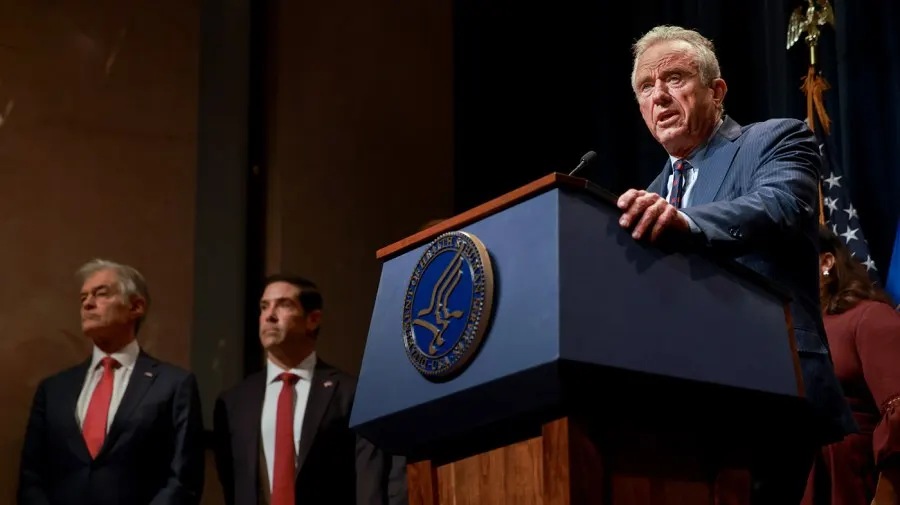
The Trump administration is facing scrutiny over its handling and communication of several cyclosporiasis outbreaks, including a major outbreak linked to iceberg lettuce. The situation matters because the parasite can cause severe gastrointestinal illness, while conflicting statements about the source and the response have complicated public-health advice.
Federal agencies linked a nine-state outbreak to recalled iceberg lettuce supplied by Taylor Farms de Mexico, with illnesses beginning between 22 June and 20 July. Other Cyclospora clusters remain under investigation, and officials have faced criticism over delays, testing confusion and the clarity of their public messaging as case numbers rose into the thousands.
- Lettuce-linked Cyclospora outbreak tests federal health messaging.
- Nine-state outbreak tied to recalled Mexican iceberg lettuce.
- Other clusters remain under investigation.
New here? Start with this
Cyclospora is a parasite that causes gastrointestinal illness, with symptoms including severe diarrhoea, nausea and stomach cramps. The infection spreads through contaminated food or water and, whilst usually not life-threatening, can be serious enough to require medical treatment.
A major Cyclospora outbreak in the United States has been traced to iceberg lettuce supplied by Taylor Farms de Mexico, with cases occurring across nine states beginning in late June and continuing through July. The contaminated lettuce was recalled after the link was identified. Multiple other Cyclospora clusters remain under investigation, with total case numbers rising into the thousands.
The Trump administration's handling of the outbreak response has come under scrutiny. Federal agencies have faced criticism over delays in identifying the contaminated source, confusion surrounding testing procedures, and conflicting statements about the extent of the outbreak. These communication issues have complicated the public-health guidance on the outbreak.
Both sides, in good faith
The strongest fair case each way — we don't pick a winner.
The case for
The administration and its agencies worked systematically to identify and address a complex public health threat, eventually linking the outbreak to specific suppliers and issuing recalls. Public health investigations require careful verification to avoid false attribution that could misdirect resources or harm innocent producers, and coordinating findings across federal agencies and multiple states necessarily requires time to ensure accuracy before public statements.
The case against
Swift, transparent communication about emerging health risks is a fundamental public health duty, and delays in messaging to the public risked further infections whilst case numbers rose into thousands. Conflicting statements between agencies undermined public trust precisely when citizens needed clear guidance, and the administration should have prioritised real-time communication about potential dangers whilst investigations continued, rather than withholding information until investigations were complete.