Culture news and discussion on TalkFuse.
Lettuce farmers plow crops back into soil as cyclosporiasis fears tank demand for fresh greens
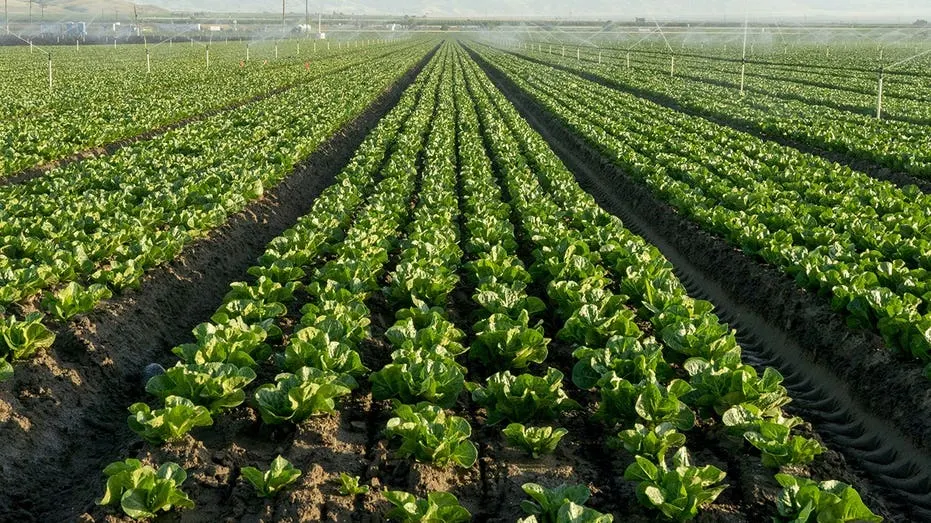
A multi-state outbreak of cyclosporiasis, a parasitic illness causing severe diarrhoea, has been traced to iceberg lettuce sourced from central Mexico by supplier Taylor Farms, prompting a sharp drop in consumer demand for fresh greens. As a result, some American lettuce farmers have been forced to plough unsold crops back into the soil, highlighting the significant economic knock-on effects that food safety scares can have across the wider supply chain, even for producers unconnected to the contaminated batches.
The US Centers for Disease Control and Prevention has recorded more than 1,600 cases of the illness across five Midwestern states. Taylor Farms has recalled affected product in 27 states and said it would halt lettuce imports from the implicated region of Mexico for the remainder of the current growing season, while the Food and Drug Administration continues its investigation into the source of the contamination.
In short
- Cyclospora outbreak linked to Mexican-sourced iceberg lettuce hits US demand
- CDC reports over 1,600 illness cases across five Midwestern states
- Taylor Farms recalls lettuce in 27 states, halts Mexican imports
Explained simply
Cyclosporiasis is an intestinal illness caused by a parasite, often leading to prolonged diarrhoea. People can become ill after eating food contaminated during growing or handling, and health agencies investigate outbreaks to identify the source and limit further exposure.
In the United States, the Centers for Disease Control and Prevention tracks illnesses, while the Food and Drug Administration investigates possible contamination in food. Taylor Farms supplies produce to retailers and food businesses, and lettuce growers depend on demand from those buyers to sell crops grown for a particular season.
A food safety scare can affect farmers beyond the source of an outbreak, as shoppers and businesses may avoid similar products while investigations continue. Unsold lettuce can be difficult to store or redirect, so falling demand can bring losses across the supply chain.