Sport news and discussion on TalkFuse.
Liberal judge in blue city is slammed by White House for letting man, 19, walk free after he shot boy playing basketball
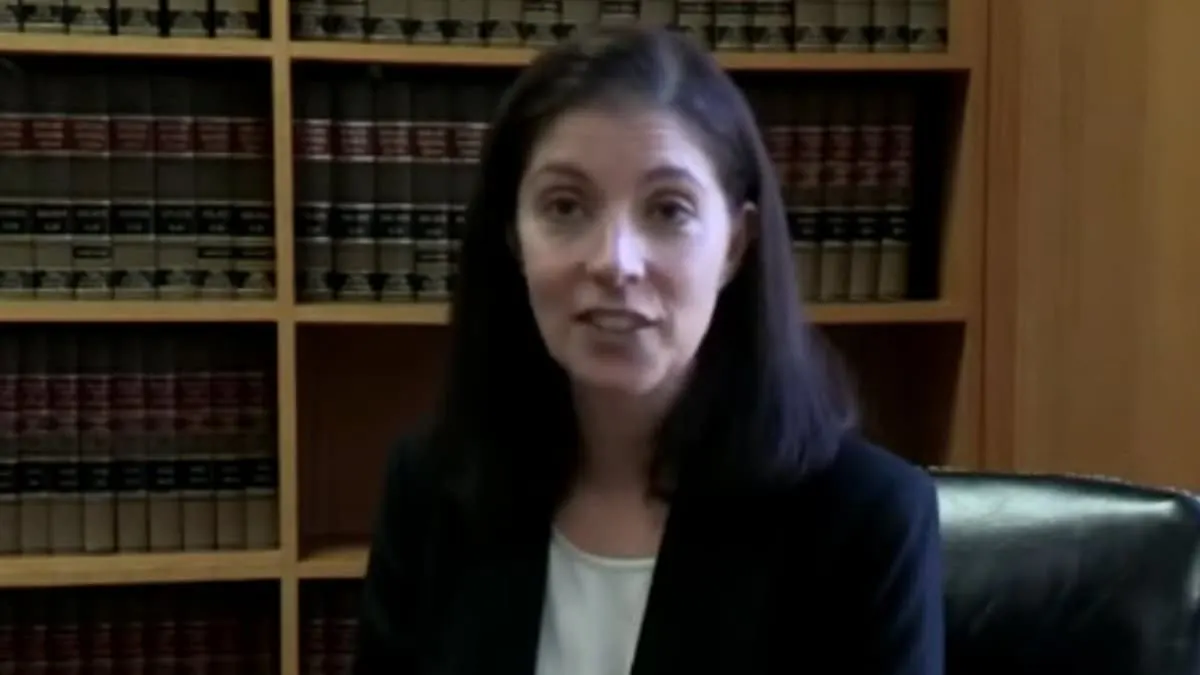
Washington DC Superior Court Judge Jennifer DiToro released 19-year-old Darius Drew on supervised probation after suspending his two-year sentence for firing at a home and a parked car, and wounding a boy playing basketball. The decision has drawn criticism from the White House and prosecutors, who had sought a prison term.
Drew pleaded guilty to aggravated assault and carrying a pistol without a licence. After six months in custody, he was ordered to complete 18 months of probation under the Youth Rehabilitation Act, which can allow eligible under-25s to have convictions set aside or sealed after completing their terms. The article says violent crime in DC rose by about 11 per cent between 2025 and 2026, while assaults with a dangerous weapon rose by about 38 per cent.
In short
- Judge suspended Drew’s two-year sentence.
- He was released on 18 months’ supervised probation.
- The decision has prompted White House criticism.
Steelman: both sides, in good faith
The strongest fair case each way — we don't pick a winner.
The case for
Supporters of the sentence could argue that the Youth Rehabilitation Act recognises young offenders’ capacity to change and aims to reduce the lasting barriers a conviction can create. Drew had already spent six months in custody, and supervised probation offers a way to require accountability and oversight while supporting rehabilitation.
The case against
Critics could argue that firing a gun and wounding a child is serious violence that warrants a prison sentence, both to reflect the harm caused and to protect the public. With prosecutors seeking custody and reported increases in violent crime, they may see probation as too lenient and as weakening confidence in the consequences for such offences.
Explained simply
Washington DC Superior Court handles local criminal cases in the US capital. Judges decide sentences after defendants plead guilty or are found guilty, while prosecutors argue for penalties on behalf of the government.
The Youth Rehabilitation Act applies to some people under 25 and allows a judge to suspend a sentence and set probation conditions. If those conditions are completed, a conviction may later be set aside or sealed, subject to the law’s rules.
The case has prompted debate over sentencing and public safety in Washington. The reported rises in violent crime and assaults involving weapons provide context for that debate, while the court’s decision reflects how the law can treat younger offenders.