World news and discussion on TalkFuse.
Liberia agrees to accept 1,200 foreign deportees from the US
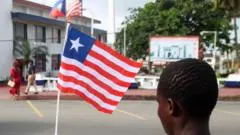
Liberia has agreed to accept up to 1,200 people deported from the United States over the next year, marking one of the largest "third-country" deportation deals struck by Washington as part of its ongoing crackdown on illegal migration. The arrangement adds Liberia to a growing list of African nations, including Ghana, Equatorial Guinea, Eswatini, the Democratic Republic of Congo and Sierra Leone, that have agreed to take in people the US cannot legally return to their home countries, prompting criticism from human rights groups over the transparency of such schemes.
Liberian officials say an initial group of 20 deportees is due to arrive on Thursday, and none are facing criminal charges in the US or Liberia. Information Minister Jerolinmek Piah said arrivals would be treated as "guests", free to leave or apply for asylum, and described the deal as purely humanitarian, insisting no payment had been sought or received, unlike Eswatini, which received $5.1m from Washington for a similar arrangement. No details have been given about the deportees' nationalities, and Piah invoked Liberia's founding by freed African-American slaves in the 19th century as grounds for accepting them.
In short
- Liberia to take up to 1,200 US deportees over the next year.
- First 20 arrivals expected Thursday; none face criminal charges.
- Liberia says deal is humanitarian, with no payment received.
Steelman: both sides, in good faith
The strongest fair case each way — we don't pick a winner.
The case for
Those supporting this arrangement would emphasise that nations have a fundamental right to enforce immigration law and remove people who entered unlawfully; indefinite detention is neither sustainable nor humane, and Liberia's voluntary participation, with commitments to treat arrivals with dignity and freedom, represents a pragmatic solution that respects both sovereign authority and humanitarian values.
The case against
Critics contend that such arrangements lack adequate transparency and international oversight, raising serious concerns that deportees' fundamental rights cannot be sufficiently protected in countries with potentially weaker legal institutions; moreover, the practice risks becoming transactional rather than genuinely humanitarian, particularly given the substantial financial incentives offered to other nations in comparable arrangements.
Explained simply
The United States can deport people who have no legal right to remain there, but it may be unable to send some people back to their country of origin. In those cases, it has made arrangements with other countries to receive them; these are often called third-country deportations.
Liberia is a West African country founded in the 19th century by freed African-American people and others from the United States. Its government says people arriving under the arrangement will be treated as guests and can leave or seek asylum, though their nationalities and the practical details of their stay have not been disclosed.
The arrangement matters because it adds Liberia to a growing group of African countries receiving people deported from the US. Human rights groups have questioned how such agreements work and whether they are transparent.