Business news and discussion on TalkFuse.
Liberty Media Acquires John Malone’s Super Voting Stock After Founder Received Outside Offers
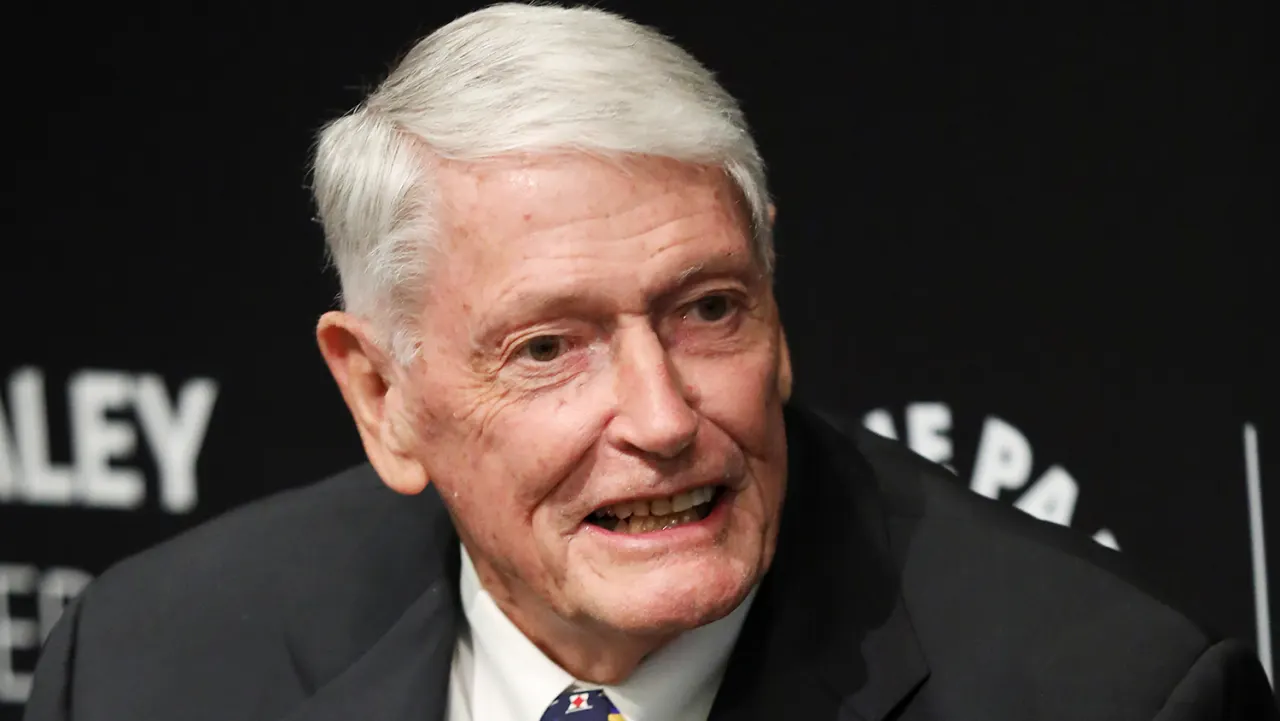
Liberty Media has acquired founder John Malone’s super-voting shares, reducing his voting power from 48% to 3% and spreading voting rights more broadly among shareholders. The change follows unsolicited offers from third parties for Malone’s stake and is intended to prevent a significant voting position passing to an outside buyer without other shareholders taking part.
In exchange, Malone received shares with lower or no voting rights, increasing his economic ownership. He will leave his role as chairman emeritus but remain a senior adviser; Liberty says the deal simplifies its capital structure as it focuses on assets including Formula 1 and MotoGP. The company also approved a rights plan lasting until November 2027 to discourage attempts to build a major voting stake or take control without board involvement.
In short
- Liberty bought Malone’s super-voting shares.
- His voting power falls from 48% to 3%.
- A rights plan runs through November 2027.
Steelman: both sides, in good faith
The strongest fair case each way — we don't pick a winner.
The case for
Supporters could argue that buying back Malone’s super-voting shares prevents a large block of control passing to an outside buyer without other shareholders having a say. Distributing voting rights more broadly may improve accountability, while the simpler capital structure could help Liberty focus on its businesses.
The case against
Critics could argue that the transaction concentrates influence in the board’s hands and makes it harder for shareholders to pursue a change in control. The rights plan may further deter potential buyers, while Malone’s increased economic ownership despite sharply reduced voting power could leave questions about how financial interests and decision-making influence are balanced.
Explained simply
Liberty Media is a US media and entertainment company whose businesses include Formula 1 and MotoGP. Its founder, John Malone, built a large influence over the company through shares that carried more voting power than ordinary shares.
Voting rights let shareholders influence decisions such as who sits on the board and whether major changes go ahead. A rights plan is a company measure designed to make it harder for an investor to build a large stake and gain influence without the board’s involvement.
Business Companies Elections Entertainment Markets Politics TV