Life is Strange developer Don’t Nod look primed for layoffs, as the studio announces a “transformation intitiative”
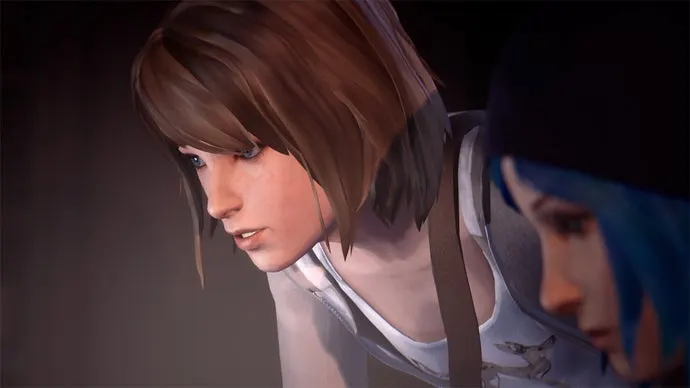
Life is Strange developer Don't Nod has announced a "transformation initiative", a move widely seen as a precursor to layoffs at the French studio. The announcement follows reports back in June that the company could run out of cash by November 2026, and comes despite the studio releasing five games in the past three years, including the well-received Jusant and Lost Records: Bloom & Rage.
In a press release, Don't Nod cited "profound changes in the economic conditions of the video game industry" and a "deterioration in the Group's key economic indicators" as reasons it needs to adapt its operating model. Management has called a meeting with employee representatives for Thursday 3 September 2026, the first step in a consultation process ahead of a possible "job protection plan", and has also begun talks with the relevant labour union. No redundancies have been confirmed outright, but the language used strongly suggests cuts are likely.
- Don't Nod announces a "transformation initiative" amid financial difficulties
- Studio warned in June it risked running out of cash by November
- Consultation meeting with staff reps set for 3 September 2026
New here? Start with this
Don't Nod is a French video game studio best known for making Life is Strange, a story-led series in which players’ choices shape events. It has also released games such as Jusant and Lost Records: Bloom & Rage.
Like other game makers, the studio depends on sales and funding to cover the cost of developing games. Changes in the industry and weaker financial results can put pressure on that business, even when a studio has released several games.
In France, employers must consult staff representatives and unions as part of certain processes that could lead to job cuts. That consultation can help explain why changes are being considered and how staff may be affected; it does not by itself confirm that redundancies will happen.
Both sides, in good faith
The strongest fair case each way — we don't pick a winner.
The case for
Management could argue that falling revenues and worsening financial indicators require a rapid restructuring to keep the studio viable. If costs are not brought into line with expected income, the company may face deeper financial distress that threatens all remaining jobs and its ability to make games.
The case against
Employees and their representatives could argue that workers should not bear the cost of strategic or market pressures, particularly after the studio released several games, including well-received titles. They may call for transparent accounts and a thorough consultation on alternatives, since job cuts would impose lasting costs on staff and could weaken the studio’s creative capacity.