Tate Modern exhibition charts photography’s emergence as an expressive art form
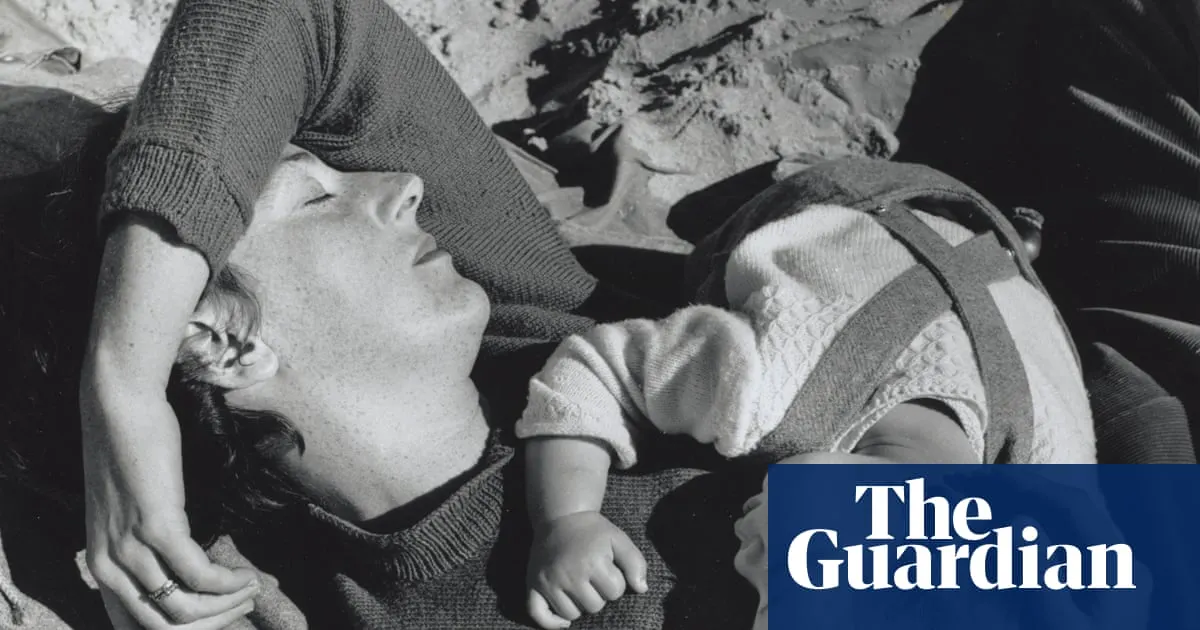
An exhibition at Tate Modern traces how photographers established photography as an expressive art form, with images that range from stylised portraits to carefully composed scenes of everyday life. The works show how photographers sought creative control and recognition alongside painting, printmaking and sculpture.
The examples span different approaches and periods: Yevonde staged a society portrait as a scene from Shakespeare; Edward Weston used precise lighting to emphasise the sculptural form of shells; and William Mortensen altered prints with razor blades, inks and other techniques. The exhibition, *Light and Magic: The Birth of Art Photography*, runs until 21 February 2027.
- Tate Modern explores photography’s emergence as an art form.
- Photographers used staging, light and print manipulation.
- The exhibition runs until 21 February 2027.
New here? Start with this
Photography began as a way to record what was in front of the camera, but photographers also explored how images could express ideas and shape a viewer’s response. They experimented with lighting, poses and printmaking to make photographs that showed deliberate artistic choices.
These approaches developed while photography was seeking recognition alongside older art forms such as painting, printmaking and sculpture. The exhibition brings together work by photographers including Yevonde, Edward Weston and William Mortensen, whose distinct methods show how varied this search for artistic expression became.
Art Celebrity Culture Entertainment Offbeat Weird & Viral
Read the full article at the source →
Originally published by The Guardian as “Light, camera … razor blades?! How photography became an art form – in pictures”.