Lil Durk cleared of planning rapper Quando Rondo’s murder
Developed over time first seen 2 months ago
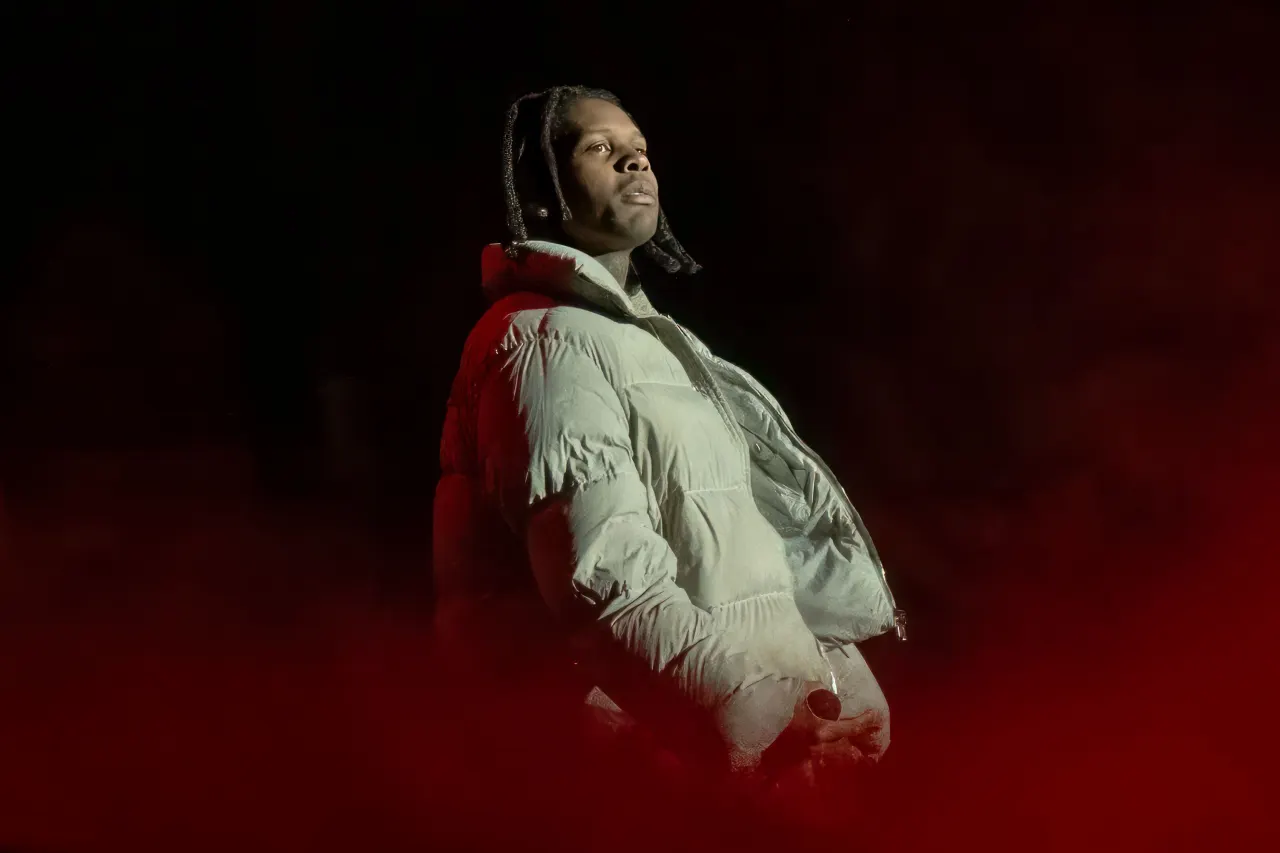
A federal jury has cleared rapper Lil Durk of plotting to murder fellow rapper Quando Rondo, rejecting prosecutors' claims that he orchestrated a revenge killing through associates in his Only the Family collective. Durk, who has been in federal custody since his 2024 arrest, had faced charges of conspiracy to commit murder-for-hire, conspiracy to commit stalking, and stalking resulting in death; the case had drawn scrutiny partly because prosecutors sought to use his song lyrics as evidence, a tactic criticised by First Amendment advocates.
Prosecutors alleged the attack was retaliation for the 2020 murder of Durk's friend King Von, with Quando Rondo (Tyquian Bowman) the intended target of an ambush that instead killed his cousin, Saviay'a Tilal Robinson. The prosecution's case relied heavily on testimony from Durk's former co-defendants, who pleaded guilty and testified against him, but his defence team argued they were unreliable witnesses seeking to avoid life sentences. Durk, who has always denied the charges, remains in custody ahead of a separate racketeering trial scheduled for 5 October.
- Sources
- 2
- Outlets
- 2
- Left · Centre · Right
- 0 · 0 · 0
In short
- Lil Durk found not guilty of plotting Quando Rondo's murder
- Case relied on testimony from associates who pleaded guilty
- Durk stays jailed pending a racketeering trial on 5 October
How this story developed
- 2 months ago It has since emerged that the not-guilty verdicts came after three days of jury deliberation and were delivered on a Friday, with the acquittal now described as bringing Durk's legal battle since his 2024 arrest to a full close.
- 2 months ago A federal jury in Los Angeles acquitted Lil Durk of all charges over an alleged murder-for-hire plot against Quando Rondo, tied to revenge for King Von's 2020 death, though he remains jailed pending a separate racketeering trial.
Full account
A federal jury in Los Angeles has acquitted the Chicago rapper Lil Durk, born Durk Banks, of all charges relating to an alleged murder-for-hire plot against rival musician Quando Rondo. After three days of deliberation, jurors returned not-guilty verdicts on Friday 11 September on counts of murder-for-hire, stalking and conspiracy, charges that had carried the possibility of a life sentence. Prosecutors had alleged that Durk directed members of his Only the Family (OTF) collective to track down and kill Rondo, whose real name is Tyquian Bowman, in revenge for the 2020 killing of Durk's close friend and collaborator King Von.
The case centred on a 2022 shooting at a Los Angeles petrol station, in which Rondo survived but his cousin, Saviay'a Robinson, known as Lul Pab, was fatally shot. Two co-defendants, David Lindsey and Deandre Wilson, were convicted of stalking and conspiracy but, like Durk, were cleared of the murder-for-hire charge; they await sentencing. The prosecution's case leaned heavily on testimony from three former associates of Durk who had pleaded guilty and agreed to cooperate with investigators, telling the court that Durk had arranged for gunmen to travel from Chicago to Los Angeles and had offered payment for the attack, although no money is said to have changed hands.
A notable feature of the trial was the prosecution's attempt to use Durk's own lyrics as evidence of intent, a tactic that has drawn criticism from musicians and civil liberties campaigners in similar cases involving other artists. The presiding judge, Michael W. Fitzgerald, permitted some lyrics referencing Durk's state of mind after King Von's death to be heard by jurors, though the defence maintained the songs were creative expression rather than confession. The defence, led by attorneys including Drew Findling and Brian Steel, argued the cooperating witnesses had fabricated their accounts to secure lighter sentences and suggested one of them may himself have been responsible for orchestrating the shooting. Durk has consistently denied any involvement.
Despite the acquittal, Durk remains in federal custody, as he still faces a separate racketeering charge alleging that OTF operated as a criminal gang; that charge was kept out of this trial after the judge rebuked prosecutors for introducing it late, and a further trial is expected in early October. Findling told reporters outside court that the defence team was elated, describing the verdict as historic and calling for Durk to be released to return to his family. The two source reports place different emphasis on the story: one focuses more on the trial's mechanics, the co-defendants' mixed verdicts and defence reaction, while the other gives fuller background on the earlier, later-dropped charges against a man accused of killing King Von, and includes courtroom testimony in which a cooperating witness placed blame squarely on Durk.
Where outlets differ
From the full account, which is AI-written from the sources:
Source 1 gives more detail on the verdict announcement, the fate of co-defendants Lindsey and Wilson, and includes direct quotes from defence attorney Drew Findling, plus specific lyric excerpts prosecutors cited.
Source 2 provides additional background on Timothy Leeks, who was separately charged (then had charges dropped) over King Von's killing, names defence attorney Brian Steel (known for the Young Thug case), and includes a direct courtroom quote from witness Kacey Hester blaming Durk.
Source 1 states three cooperating witnesses testified; Source 2 references a broader cohort of five men tied to OTF without detailing all of them.
Only Source 1 mentions the specific trial length (two weeks) and the scheduled date (5 October) for the second trial.
Steelman: both sides, in good faith
The strongest fair case each way — we don't pick a winner.
The case for
The jury found the prosecution's case insufficient to prove guilt beyond reasonable doubt—the proper legal standard. The prosecution's reliance on testimony from co-defendants who received leniency in exchange for cooperation raises legitimate concerns about witness credibility and motivation. Additionally, the use of song lyrics as evidence of criminal intent conflicts with First Amendment protections and risks conflating artistic expression with factual allegations of crime.
The case against
The acquittal leaves troubling questions about accountability for what prosecutors characterised as an orchestrated killing resulting in an innocent person's death. Multiple co-defendants testified they were following Durk's directions in planning the attack, reportedly motivated by revenge for King Von's death; their guilty pleas suggest they believed themselves to be acting under his leadership. The case raises whether the legal threshold for conspiracy proved too high to hold accountable those who orchestrate violence through associates.
Explained simply
Lil Durk, real name Durk Banks, is a prominent Chicago rapper who has been facing serious federal charges in Los Angeles accused of orchestrating a plot to kill fellow rapper Quando Rondo. Prosecutors said the alleged attack was revenge for the 2020 killing of Durk's close friend and collaborator King Von, and claimed Durk worked with associates from his Only the Family music collective to carry it out.
The case centred on a shooting in which the intended target, Tyquian Bowman, escaped but his cousin, Saviay'a Robinson, was killed. Prosecutors relied on testimony from cooperating witnesses who had themselves faced serious charges, while Durk's defence argued this testimony was unreliable and pointed the blame elsewhere. The trial also drew attention for a dispute over whether Durk's song lyrics could be used as evidence of his state of mind.
The case matters both for the music industry, given Durk and Quando Rondo's prominence and the long-running tensions linked to King Von's death, and for wider debates about how rap lyrics are treated in criminal courts. Durk still faces a separate federal racketeering trial, meaning his legal situation is not fully resolved even after this verdict.