Massachusetts judge to consider dismissal or retrial in Clancy case
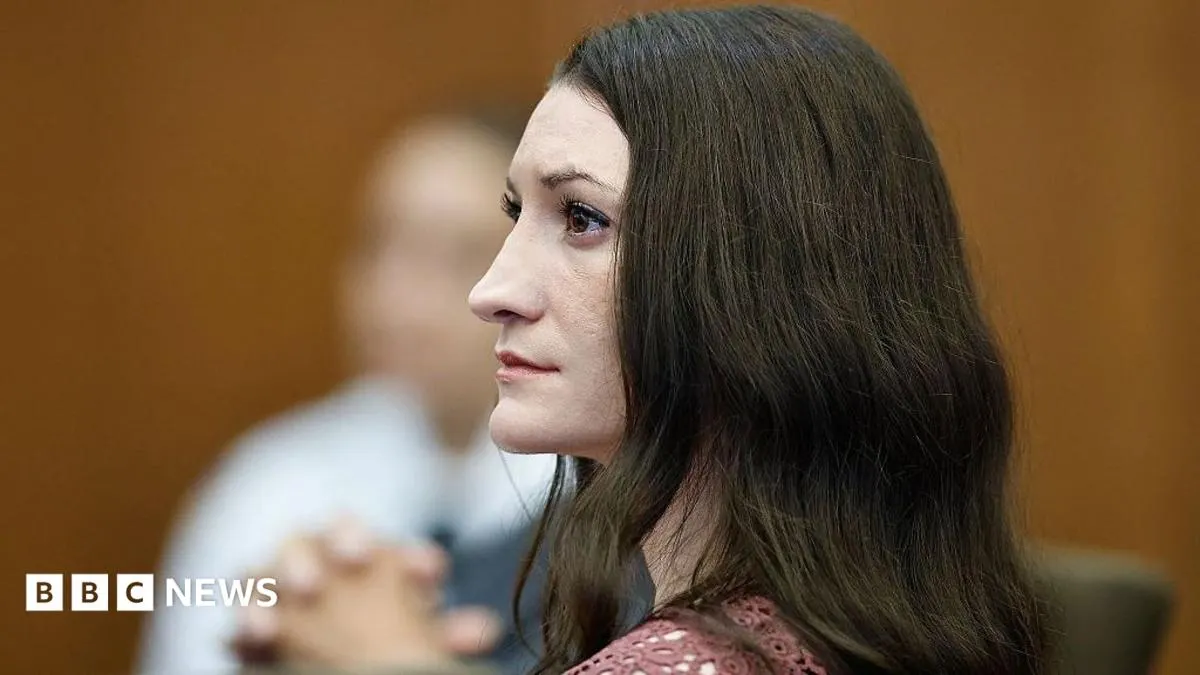
Lindsay Clancy, accused of killing her three children in 2023, is due back in a Massachusetts court as lawyers discuss whether her case should be dismissed or tried again. The outcome matters because her first trial ended without a verdict, leaving the charges unresolved and the next legal step uncertain.
Prosecutors have indicated they may seek a new trial, potentially with the same or reduced charges, while Clancy’s defence is seeking dismissal. The 12-person jury could not reach agreement after hearing the case in August 2026, and a judge declared a mistrial in September. Clancy has not denied killing the children; her lawyers say she was experiencing severe postpartum psychosis, while prosecutors argue the killings were intentional. A mental health law expert said Monday’s hearing is likely to consider whether the mistrial was properly declared and whether a retrial can proceed.
In short
- Clancy’s first trial ended with a deadlocked jury.
- Her defence is seeking dismissal; prosecutors may pursue a retrial.
- Monday’s hearing will consider the legal path ahead.
Steelman: both sides, in good faith
The strongest fair case each way — we don't pick a winner.
The case for
Prosecutors can argue that the jury’s inability to reach a verdict leaves serious charges unresolved, rather than establishing that the case cannot be proved. If the mistrial was properly declared, a retrial would give another jury the chance to assess the evidence, including whether the killings were intentional, while allowing for reduced charges if appropriate.
The case against
The defence can argue that a retrial would impose further strain on a defendant whose lawyers say she was experiencing severe postpartum psychosis, and that the unresolved first trial does not by itself justify putting her through another one. If the mistrial was not properly declared or the evidence cannot fairly support a new trial, dismissal would protect the integrity of the process and recognise the importance of her mental state to criminal responsibility.
Explained simply
Lindsay Clancy is a Massachusetts woman charged in the deaths of her three children in 2023. She has not denied killing them, but her lawyers say she was experiencing severe postpartum psychosis, a serious mental health condition that can occur after childbirth; prosecutors argue the killings were intentional.
A jury hears evidence and decides whether the prosecution has proved its case, but it must reach a unanimous verdict. When Clancy’s jury could not agree, the trial ended without a decision on the charges. That leaves the court to determine what legal steps may follow, and the case raises questions about how mental illness is considered in criminal proceedings.
Read the full article at the source →
Originally published by BBC World as “Lindsay Clancy is back in court – where will her case go next?”.