Clancy’s lawyer attacks media as murder trial jury deliberates
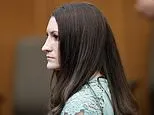
Kevin Reddington, the defence lawyer for Lindsay Clancy, launched an angry public attack on media figures including Sean Hannity and Nancy Grace outside Plymouth County Superior Court on Monday, accusing them of unfair coverage as the jury entered its third day of deliberations in her murder trial. Clancy, 36, a former labour and delivery nurse, is accused of killing her three young children using exercise bands at her home in Duxbury, Massachusetts, in January 2023, in a case that has become a national flashpoint over postpartum mental illness and criminal responsibility.
The defence has argued Clancy was suffering severe postpartum depression and psychosis brought on by overmedication, while prosecutors insist she was aware of and in control of her actions when she killed Cora, five, Dawson, three, and eight-month-old Callan. A jury of nine women and three men must decide between first- or second-degree murder, manslaughter, or a finding of not guilty by reason of insanity, and has asked to review bags of pill bottles and a knife found at the scene after failing to reach a verdict following ten hours of deliberation last week.
- Clancy's lawyer Reddington slammed Hannity and Nancy Grace over trial coverage
- Jury enters third day deliberating Clancy's guilt in her children's deaths
- Jurors requested to re-examine pill bottles and knife found at scene
New here? Start with this
Postpartum depression can, in rare and severe cases, tip into psychosis, a condition in which a new mother loses touch with reality. This background is central to the trial of Lindsay Clancy, a former nurse from Duxbury, Massachusetts, who is accused of killing her three young children in January 2023. Her case has drawn intense national attention because it forces a jury to weigh mental illness against criminal responsibility in the death of a mother's own children.
Clancy's defence team says she was in the grip of severe postpartum depression and psychosis, worsened by overmedication, when the killings happened, and that she should be found not guilty by reason of insanity. Prosecutors reject this, arguing she understood what she was doing and should be held fully responsible, leaving the jury to choose between murder charges, a lesser manslaughter verdict, or acquittal on insanity grounds.
The trial has also become a flashpoint for wider debate about how the media covers cases involving mothers accused of killing their children, with commentators taking strong public positions on Clancy's guilt or innocence well before the verdict. That backdrop explains why her defence lawyer has now publicly criticised broadcasters, even as the jury continues its deliberations.
Both sides, in good faith
The strongest fair case each way — we don't pick a winner.
The case for
Advocates for the defence would argue that sensationalised commentary from pundits such as Sean Hannity and Nancy Grace, who often frame such cases in emotive, guilt-presuming terms long before a verdict, risks tainting public perception and pressuring jurors, particularly in a case turning on complex psychiatric evidence that is easily flattened into a simple narrative of monstrousness. A defence lawyer, they would say, has not just a right but a professional duty to challenge coverage he believes threatens his client's presumption of innocence and right to a fair hearing, especially where the case concerns severe mental illness rather than straightforward criminality.
The case against
Others would argue that high-profile trials involving the deaths of children are inherently matters of legitimate public concern, and that commentators are entitled to express strong views under long-established free speech protections, just as courts routinely rely on jury instructions and sequestering procedures rather than media silence to safeguard impartiality. From this view, a defence attorney holding a press conference criticising named broadcasters while the jury is still deliberating could itself be seen as an attempt to shape public and even juror sentiment, raising questions about whether the intervention serves the client's legal interests or functions more as public relations.
Art Culture Software Technology World
Read the full article at the source →
Originally published by Daily Mail as “Lindsay Clancy lawyer erupts outside court as jurors deliberate fate of postpartum mom: Live updates”.