World news and discussion on TalkFuse.
Lindsay Clancy returns to court, but questions remain over new trial date and first-degree murder charges
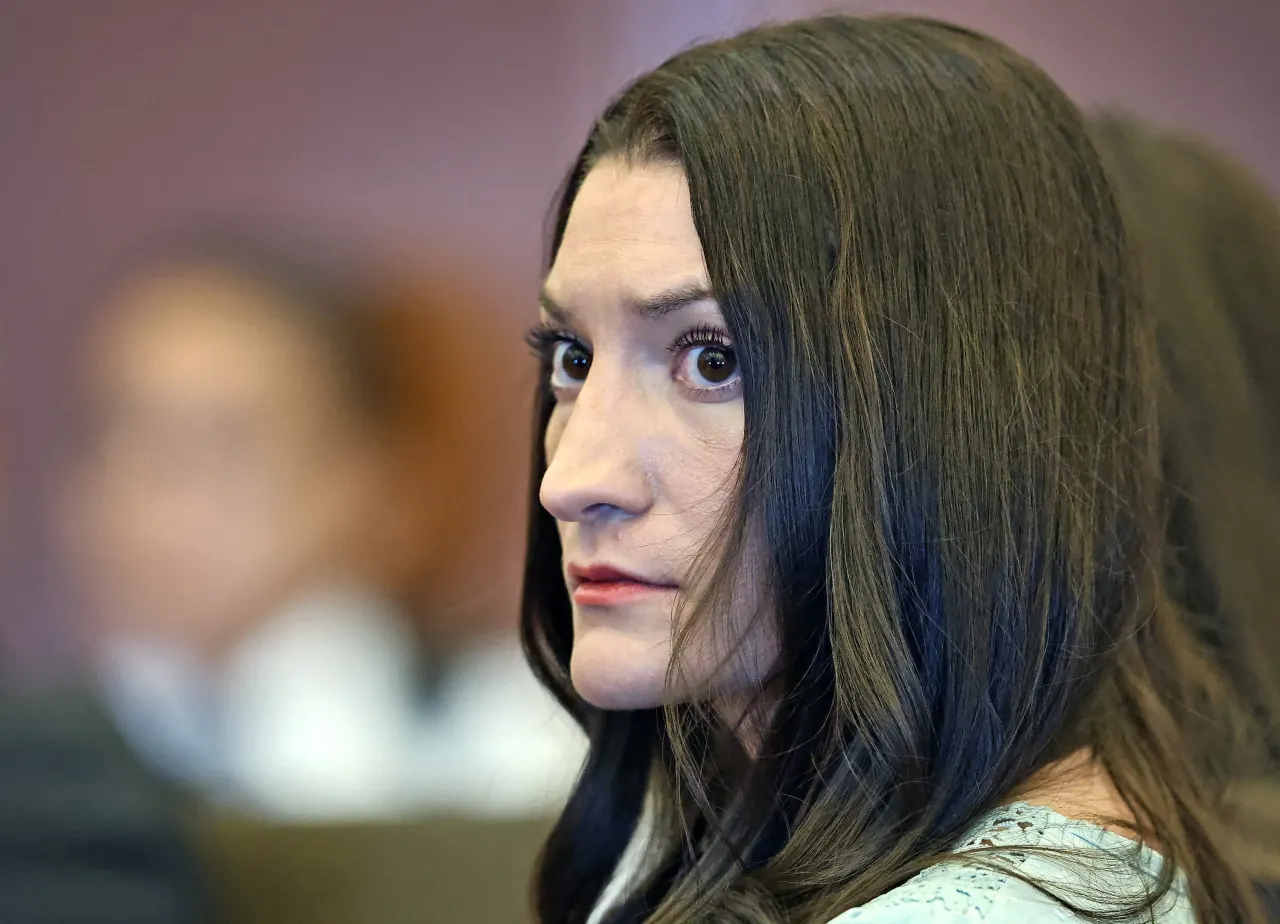
Lindsay Clancy returned to a Massachusetts court on Monday, but the judge made no decision on whether she will face a new trial or what charges prosecutors will bring. The case remains at a difficult juncture after her first trial ended in a mistrial, with the next steps carrying significant consequences for Clancy and for debate about postpartum mental health care.
Clancy, 36, has admitted killing her three children in 2023; her defence argues she was experiencing postpartum psychosis and that warning signs were not treated. Prosecutors are considering re-filing charges, which could include first-degree murder, a lesser offence or none, while the judge hopes to set a trial date for March. The mistrial followed a split among the 12 jurors, with one refusing to sign a verdict that would have favoured acquittal.
In short
- No decision was made on a new trial or charges.
- Prosecutors are weighing what charges to pursue.
- The judge hopes to set a trial date for March.
Steelman: both sides, in good faith
The strongest fair case each way — we don't pick a winner.
The case for
The prosecution could argue that the gravity of the killings and the evidence at trial warrant bringing serious charges again, including first-degree murder if the legal elements can be proved. A retrial would let a jury reach a verdict after the first jury could not agree, giving due process to the victims and their family as well as to Clancy.
The case against
The defence could argue that a new trial risks punishing Clancy without adequately accounting for the postpartum psychosis it says she experienced and the warning signs it says went untreated. Given the mistrial and the possibility that a jury favoured acquittal, prosecutors should carefully consider whether the evidence supports another prosecution and what charges are fair.
Explained simply
Lindsay Clancy is a Massachusetts woman who admitted killing her three young children in 2023. Her defence says she was experiencing postpartum psychosis, a serious mental health condition that can develop after childbirth, and argues that warning signs were not treated.
Prosecutors decide what charges to pursue, while a jury decides whether the evidence proves those charges. Clancy’s first trial ended without a verdict after jurors could not agree, so the case may be tried again. The outcome could affect her sentence and has drawn attention to questions about mental health care after childbirth.