Torvalds says AI-assisted kernel work is entering normal development flow
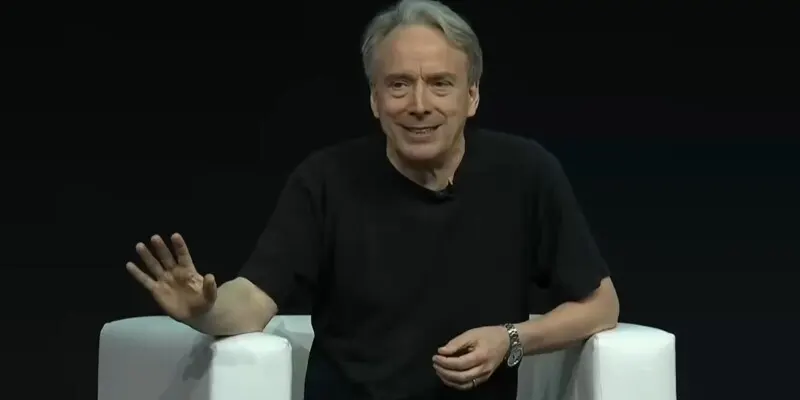
Linus Torvalds has released the first candidate version of Linux kernel 7.4 and says AI-related work is becoming part of the project’s normal development process. He considers this healthier than having AI-assisted fixes arrive mainly during the release stabilisation period, though he cautions that the unusually large merge window may also reflect expectations that 7.4 will be a long-term support release.
The merge window contains almost 20,000 commits, compared with roughly 15,000 in a typical release cycle. Torvalds said AI is increasingly suggesting patches, but they are often rewritten; about a third of this release’s changes concern AMD GPU register offsets and bit masks. Other reported additions include processor support for AMD, Apple and Google, virtual machine security improvements, Raspberry Pi 10-inch monitor support, and further work on Qualcomm’s Snapdragon X2.
In short
- Linux 7.4’s merge window includes almost 20,000 commits.
- Torvalds says AI work is moving into normal development.
- Many AI-suggested patches are rewritten before inclusion.
Steelman: both sides, in good faith
The strongest fair case each way — we don't pick a winner.
The case for
The increase in AI-assisted patches could be a healthy sign that developers are using the tools earlier in the normal review process, where suggestions can be checked, rewritten and tested before release stabilisation. If AI helps identify routine fixes or handle repetitive work while maintainers retain responsibility for the code, it may save time and let contributors focus on harder problems.
The case against
A rising volume of AI-suggested patches could add to maintainers’ review burden, especially if suggestions need substantial rewriting or make it harder to judge how well contributors understand the code. The unusually large merge window also has other possible explanations, including expectations of a long-term support release, so the figures alone do not establish that AI is improving development.
Explained simply
The Linux kernel is the core software that lets an operating system communicate with a computer’s hardware. It is developed openly by contributors around the world, with Linus Torvalds overseeing changes and publishing numbered releases.
Before a release, developers propose changes during a period called a merge window. Those changes can include hardware support and security updates, and are reviewed before the release is final. AI tools can suggest code, but contributors still assess and often rewrite it.
Kernel releases matter to computer makers, software developers and users because they can affect which devices work and how securely systems run. Some releases receive long-term support, meaning they are maintained for longer than usual.
Read the full article at the source →
Originally published by The Register as “Linus Torvalds says Linux kernel is out of ‘stabilization phase’ and using ‘much healthier model’ for AI contributions”.