LISTEN: Fear, Loathing and Endless Potential: AI4 Conference Takes Stock of Transformative Technologies
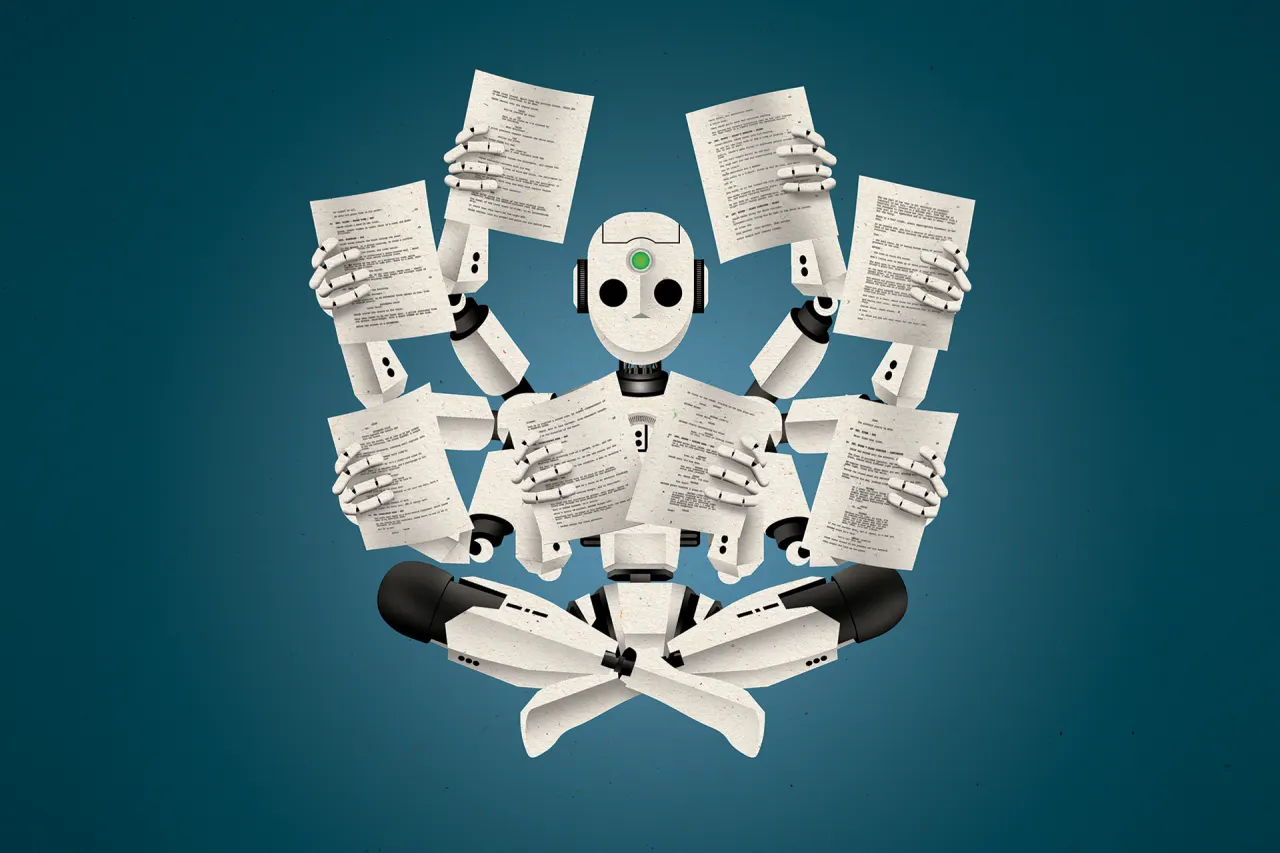
Variety's "Daily Variety" podcast reported live from the AI4 conference in Las Vegas, where the site's AI beat reporter Corbin Bolies found both excitement and unease surrounding generative AI's growing influence across industries. The event highlights a sharp divide within Hollywood: studios and creatives remain wary of AI's potential to devalue copyrighted work and displace traditional film and TV production, even as some in the industry argue the technology can support rather than replace human creativity.
Among those featured was filmmaker Scott Mann, head of AI firm Flawless, who champions tools that streamline costly post-production tasks such as dubbing, positioning AI as additive to filmmaking rather than a threat to it. The conference, held at the Venetian, also showcased AI's reach beyond entertainment, with Bolies noting he saw at least three distinct types of humanoid robots on display, underscoring the scale of progress in AI-driven hardware alongside software.
- AI4 conference in Las Vegas reveals excitement and fear over AI's rise
- Filmmaker Scott Mann's Flawless promotes AI as aid, not threat, to Hollywood
- Humanoid robots on show highlight AI's advancing hardware capabilities
Both sides, in good faith
The strongest fair case each way — we don't pick a winner.
The case for
Studios and creatives arguing against unfettered AI adoption emphasise the legal and ethical concerns of training generative models on copyrighted material without permission, seeing this as fundamental infringement. Beyond copyright, they worry about genuine job displacement—dubbing artists, visual effects specialists, and writers face redundancy if AI can perform these roles more cheaply. The concern is not merely about technological disruption but about whether industry economics will shift to favour minimising human creative labour, undermining the entire ecosystem of skilled professionals who have built modern entertainment and deserving fair compensation for their work.
The case against
Those championing AI adoption argue it represents a collaborative rather than replacive technology, solving genuine inefficiencies that currently plague production. Dubbing is expensive and delays international distribution; AI can make films accessible globally faster and more affordably, ultimately expanding audiences for human creators. Rather than eliminating roles, AI handles repetitive, costly tasks that drain budgets, potentially freeing resources for more ambitious creative work. The technology democratises filmmaking, giving independent creators access to tools previously reserved for major studios, and historically, technological progress—whilst disrupting existing roles—creates new categories of employment and economic value that workers can transition into.