Politics news and discussion on TalkFuse.
Little-known rule could stop socialists from being sworn into Congress
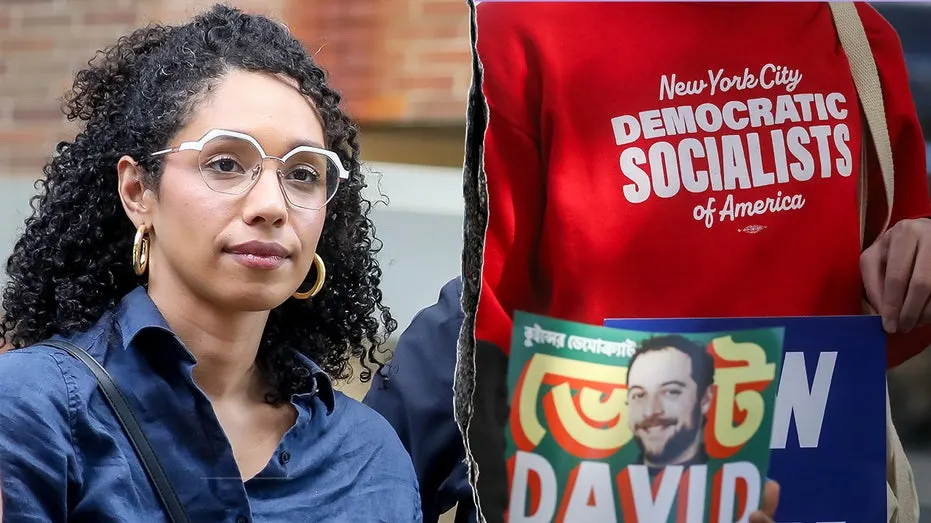
A proposed House procedure could allow a member-elect to challenge another’s right to take the oath of office, potentially delaying or blocking Democratic Socialists of America members from being sworn in. The argument rests on the DSA platform’s call to replace the US Constitution, but the proposal is untested and would face significant legal and political obstacles.
Under the suggested process, the House would review evidence and vote on a resolution concerning the member-elect’s commitment to the constitutional order. Texas Republican Keith Self has indicated he could pursue such a challenge, while Speaker Mike Johnson has said he would follow the law and rejected claims that elected Democrats would be refused seats. A 1969 Supreme Court ruling, Powell v. McCormack, says the House cannot exclude an elected candidate who meets the constitutional requirements of age, residency and citizenship.
In short
- A proposed House challenge could delay socialist members-elect from taking office.
- The process would require debate and a House vote.
- A Supreme Court ruling may limit the House’s power to exclude them.
Steelman: both sides, in good faith
The strongest fair case each way — we don't pick a winner.
The case for
Supporters of the proposed procedure could argue that members of Congress swear to support the Constitution, so the House has a duty to examine credible evidence that a member-elect would reject that commitment. They may see a formal review and vote as a way to protect constitutional government while giving the member-elect a chance to answer the allegations.
The case against
Opponents could argue that voters, rather than the House majority, should decide who represents them, and that disagreement with the Constitution or advocacy for replacing it does not by itself disqualify a member-elect. They may also contend that using an untested procedure to delay or deny the oath risks partisan abuse and conflicts with the constitutional qualifications and protections affirmed in Powell v. McCormack.
Explained simply
The US House of Representatives can set its own rules, but the Constitution sets basic requirements for its members: they must meet age, citizenship and residency rules. Once elected, a member-elect normally takes an oath to support the Constitution before beginning their work in Congress.
The Democratic Socialists of America (DSA) is a political organisation whose platform calls for replacing the US Constitution. Some elected Democrats belong to the group, but membership does not itself determine whether someone can serve in Congress. Texas Republican Keith Self has raised the possibility of a House challenge, while Speaker Mike Johnson says he would follow the law.
A 1969 Supreme Court ruling, Powell v. McCormack, said the House could not exclude an elected member who met the Constitution’s stated requirements. Any new procedure would therefore face legal questions about the House’s powers and the rights of voters who elected the member.
Americas Government Politics World