Little tern colony has worst breeding season
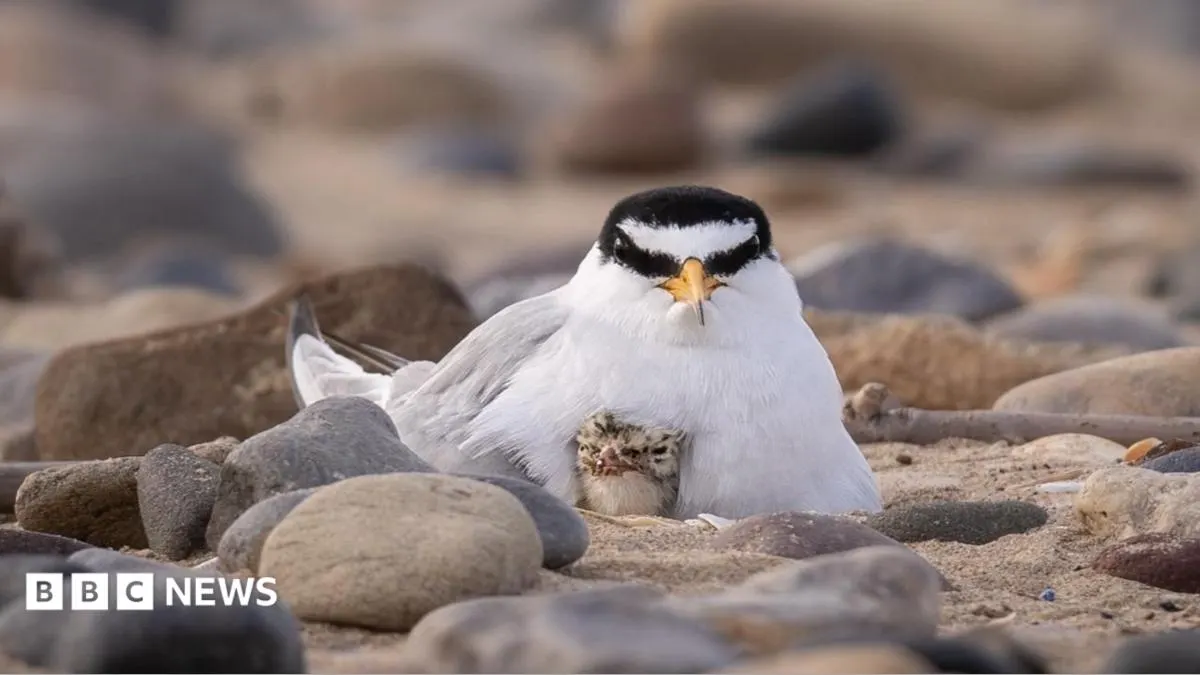
The little tern colony at Seaton Carew has had its worst breeding season since it became established in 2019, raising concern for the birds’ local numbers. The 83 nesting pairs produced 17 fledglings, a sharp fall from 67 in 2025.
Flooding and damage to protective fencing after high tides made the nesting site more vulnerable, while wardens also cited a late arrival of inshore food and predation. Earlier in June, numbers were reported to be down by 50%, with dogs entering the exclusion zone blamed by the team. The terns migrate about 3,000 miles from West Africa and are classed as amber on the UK conservation list; the wildlife trust is considering site improvements ahead of the 2027 season.
- Seaton Carew’s 83 nesting pairs produced 17 fledglings.
- Flooding, damaged fencing, food delays and predation contributed.
- Wardens are planning improvements for the 2027 season.
New here? Start with this
Little terns are small seabirds that travel about 3,000 miles from West Africa to breed in the UK. At Seaton Carew, a colony has nested since 2019, with wardens working to protect the birds and their nesting area.
The colony’s breeding success can be affected by several pressures, including high tides, predators and whether enough food is available close to shore. Dogs entering protected areas can also disturb nesting birds, which is why parts of the site are kept as an exclusion zone.
Little terns are classed as amber on the UK conservation list, meaning they are a conservation concern. The wildlife trust is considering changes to the Seaton Carew site before the next breeding season.