Democrats pick Abdul El-Sayed to face off in Michigan Senate race
Developed over time first seen 2 months ago
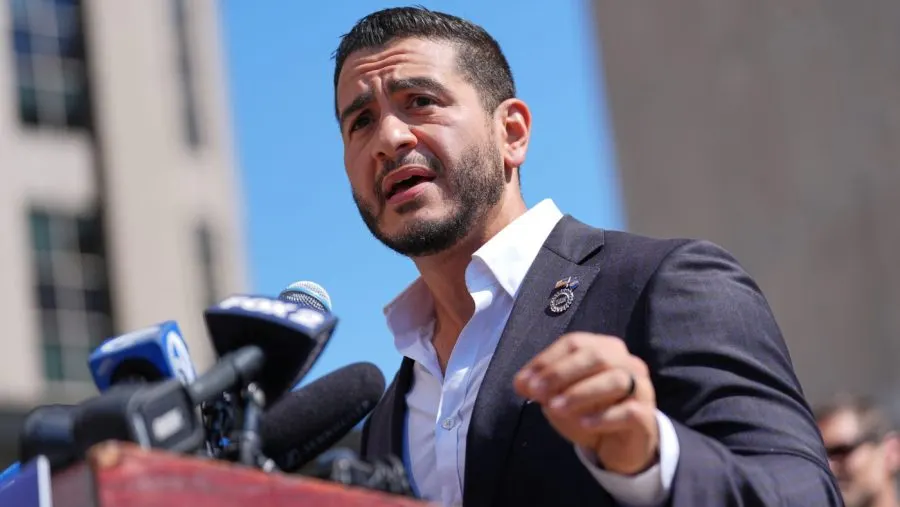
Abdul El-Sayed has won the Democratic primary for Michigan's US Senate seat, with rival candidate Haley Stevens conceding the race. The contest was one of the most closely watched Democratic primaries of the cycle, pitting El-Sayed, a progressive former Michigan health department director backed by prominent left-wing figures, against Stevens, a sitting US congresswoman seen as representing the party's more centrist wing.
Full details of the article, including vote margins, turnout figures and reaction from party leaders, could not be retrieved as the source page was inaccessible. El-Sayed will now go on to contest the general election for the seat, which is open following the retirement of the incumbent Democratic senator, in a race likely to be closely fought given Michigan's status as a key swing state.
- Abdul El-Sayed wins Michigan's Democratic Senate primary
- Haley Stevens concedes after the primary contest
- El-Sayed advances to the general election in swing-state Michigan
New here? Start with this
Progressive activist Abdul El-Sayed and Democratic congresswoman Haley Stevens were the two main contenders in Michigan's Democratic Senate primary, held to choose the party's candidate for a seat that is being vacated. Michigan is considered an important swing state, so the outcome of this contest carries weight for the party's broader strategy heading into the general election.
El-Sayed, a former Michigan health official, ran on a strongly progressive platform, while Stevens, a sitting member of the US House of Representatives, was seen as representing a more centrist wing of the party. The primary was expected to be close, reflecting a wider debate within the Democratic Party about whether to prioritise progressive or moderate candidates in competitive states.
The winner of the Democratic primary will go on to face the Republican nominee in the general election for the Senate seat, making this contest an early indicator of the party's direction and the candidate voters believe is best placed to win in November.
Both sides, in good faith
The strongest fair case each way — we don't pick a winner.
The case for
Supporters of El-Sayed's victory argue it reflects a Democratic base energised by an unapologetically progressive agenda on healthcare, housing and economic fairness, and that nominating a candidate who mobilises younger and working-class voters, including in areas outside major cities, strengthens turnout for the general election. They see the near-deadlock as evidence of a competitive, engaged primary electorate rather than a fluke, and argue that authenticity and clear policy commitments are more persuasive to Michigan voters than a cautious, centrist pitch.
The case against
Those wary of the outcome argue that Stevens represented a proven, pragmatic brand tested in swing districts, and that her narrow loss raises real concerns about whether a more progressive nominee can hold suburban and independent voters Democrats need statewide in a contested general election. They contend that a closer-than-expected result signals division within the party rather than unified momentum, and that prioritising ideological energy over demonstrated electability carries real risk in a state Democrats cannot afford to lose.
More coverage
Business Government Markets Politics Software Technology
Read the full article at the source →
Originally published by The Hill as “Live updates: Stevens concedes as El-Sayed wins Dems’ Michigan Senate primary”.