Politics news and discussion on TalkFuse.
Live updates: Trump, Obama campaign in midterm sprint; Murkowski backs Dem in Alaska governor’s race
Developed over time first seen 2 weeks ago
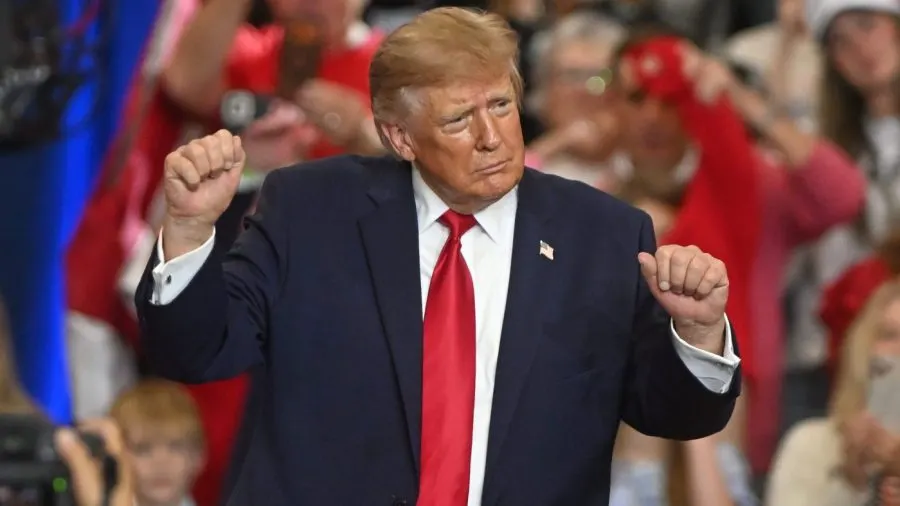
President Donald Trump and former President Barack Obama took their parties’ campaigns to pivotal states on 28 October, less than a week before the US midterm elections. Trump rallied Republicans in Ohio, where Senate and governor’s races were on the ballot, while Obama campaigned for Democrats in Georgia. Their appearances reflected the importance both parties placed on turnout as voters prepared to decide control of Congress and a series of state offices.
In Alaska, Republican senator Lisa Murkowski crossed party lines to endorse Democrat Jonathan Kreiss-Tomkins for governor. She cited his willingness to work across political divides and urged voters of all parties to consider him. Kreiss-Tomkins faced three Republican candidates in the race to succeed term-limited governor Mike Dunleavy, including Bernadette Wilson, who had Trump’s backing. Alaska’s ranked-choice voting system meant the contest was not simply a choice between one Democrat and one Republican; Murkowski’s endorsement added a notable split within the Republican camp.
- Sources
- 2
- Outlets
- 2
- Left · Centre · Right
- 0 · 1 · 0
In short
- Trump campaigned in Ohio as Obama rallied Democrats in Georgia.
- Murkowski endorsed Democrat Jonathan Kreiss-Tomkins for Alaska governor.
- The Alaska race featured three Republicans, including Trump-backed Bernadette Wilson.
How this story developed
- 2 weeks ago President Donald Trump and former President Barack Obama took their parties’ campaigns to pivotal states on 28 October, less than a week before the US midterm elections.
Steelman: both sides, in good faith
The strongest fair case each way — we don't pick a winner.
The case for
Supporters of Murkowski’s endorsement could argue that Alaska would benefit from a governor who is willing to work across party lines, especially when the field includes several Republicans and ranked-choice voting may reward broader appeal. Her backing may also encourage voters to judge Kreiss-Tomkins on his approach and qualifications rather than party label.
The case against
Critics could argue that a senior Republican senator should support her party’s candidates, particularly when Republicans are competing to succeed a term-limited governor. They may see her endorsement of a Democrat as weakening party unity and overlooking voters who prefer a Republican governor, including a candidate backed by Trump.
Explained simply
US midterm elections take place halfway through a president’s four-year term. Voters choose members of Congress, which makes federal laws and oversees the government, as well as candidates for state offices such as governor. The results can shift the balance of power in Congress and affect decisions made at both national and state level.
Donald Trump and Barack Obama are prominent figures in their parties: Trump is a Republican president, while Obama is a former Democratic president. Their campaigning can draw attention and encourage supporters to vote, though voters decide each race. In Alaska, Senator Lisa Murkowski is a Republican who has sometimes differed from her party; Jonathan Kreiss-Tomkins is a Democrat running to replace the term-limited Republican governor, Mike Dunleavy.
Alaska uses ranked-choice voting, allowing voters to rank candidates in order of preference. That system can shape how votes are counted when no candidate wins outright, so the race includes more than a simple contest between one Republican and one Democrat.
Coverage · 2 sources
Americas Elections Government Politics Software Technology World